
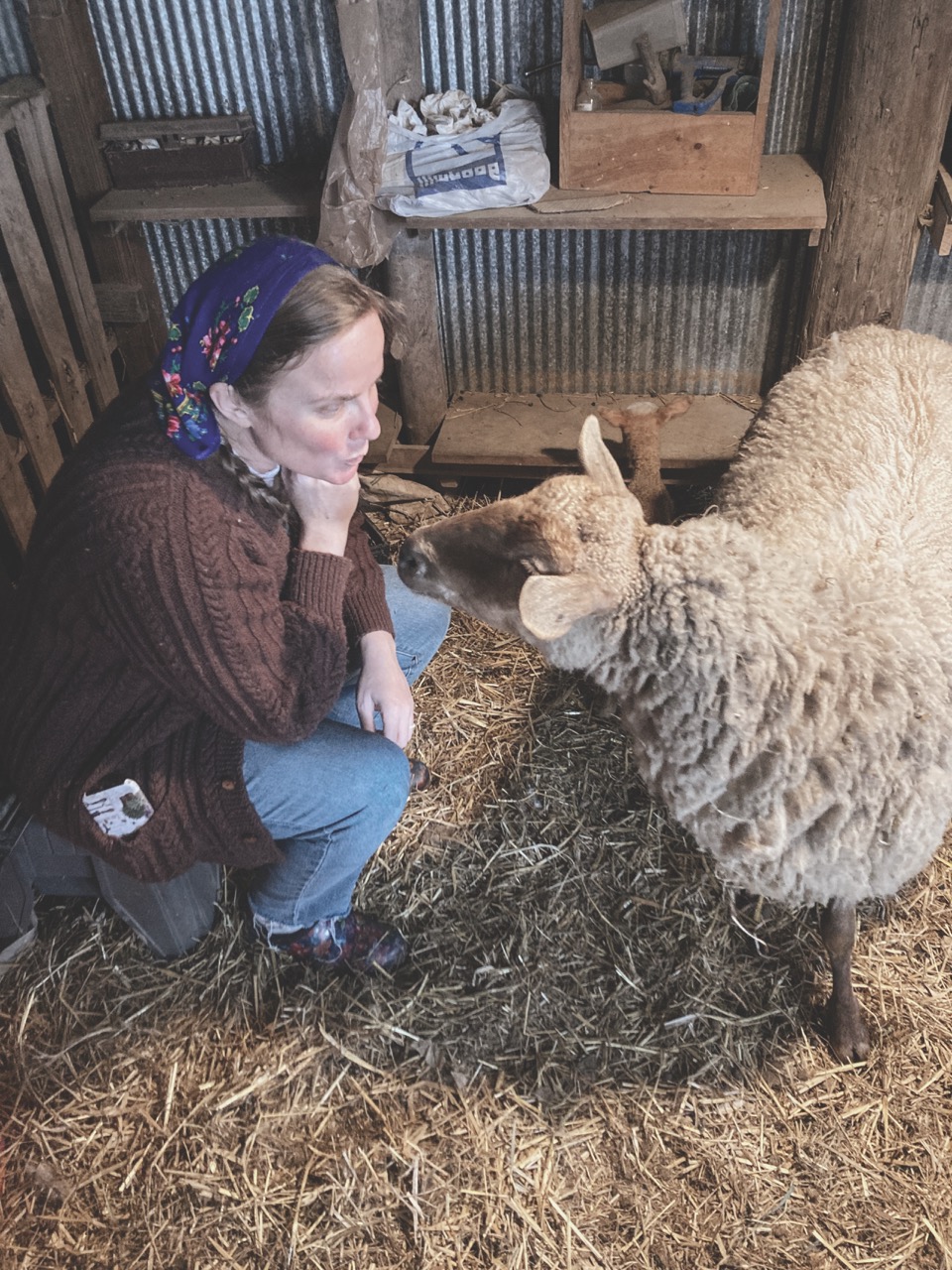
Home dairying is on the rise, and rightly so. There’s a unique satisfaction in knowing the animal that provides our milk. However, not everyone can have a dairy cow, and not everyone wants to tackle the beloved tornado that is a dairy goat.
Cows are large animals and an equally large financial investment. They drink up to 20 gallons of water a day, and need at least a few acres to be kept well. Goats respect fences that contain water, and in temperament, tend to be the Golden Retriever puppy of the livestock world. They don’t do well on only grass, and their milk is polarizing. You either love it or hate it.
While we all deserve access to fresh, local milk, sometimes cows and goats just aren’t a good fit for every homestead. Enter the humble dairy sheep.
The Case for Sheep Milk
Sheep milk is not a new concept; neolithic archeological digs have recently resubmitted the milk residue found on pottery shards for chemical testing. The results point to sheep as the party responsible for the milk. The earliest domesticated animal graveyards found around the archaeological sites are lamb bones. Calf and goat kid bones show up a bit later, indicating sheep may have been the first domesticated farm animal kept for dairy. (Ruminant graveyards of the young indicate dairy operations, as slaughtering upon birth used to be common practice in dairies. This led to larger-harvested milk yields, and the stomachs of the young were used to make rennet for cheesemaking.)
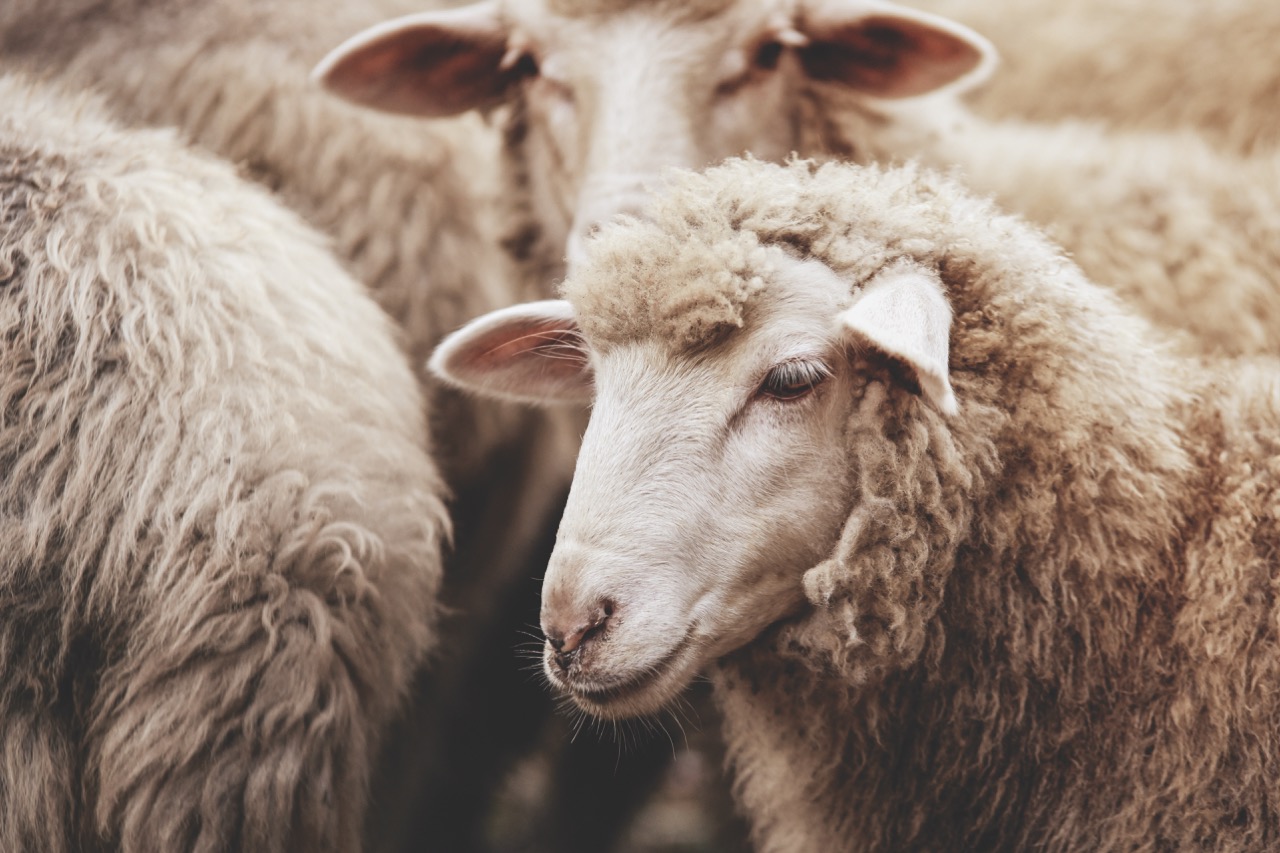
Why would our ancestors prefer sheep milk to cow or goat milk? Firstly, because it tastes amazing. Sheep milk is known as the champagne of milk. I’ve heard it compared to melted vanilla ice cream. Despite having the lowest amount of lactose (milk sugar) out of the three species, sheep milk tastes sweeter than cow and goat milk. It is the highest in fat content, meaning that a gallon of sheep milk will always make more cheese than a gallon of goat or cow milk, and there will be less whey waste. The protein in sheep milk is A2A2, but it is a different kind than the A2A2 found in cow milk. The fats and proteins are smaller and smoother in shape, which means minerals cling to them more densely.
Sheep milk also has double—if not triple—the amount of vitamins and minerals found in goat and cow milk. It’s low lactose and high fat content means it will ferment slower, an important factor to remember during cheesemaking. This also means that you won’t have that pesky belching or flatulence after consuming sheep milk that some folks experience after consuming cow milk products. Some studies indicate that sheep milk actually contributes to your body’s production of betaine, an important component in the digestive process. If the studies are right, this means that sheep milk could potentially help you digest other foods.
Sheep tend to lactate for six to eight months at most, meaning there will be a dry period for part of your homesteading year. Sheep milk can be frozen or preserved in the form of cheese, but it isn’t the same as fresh milk.
Dairy specific breeds of sheep are quite rare in the United States at this time. Most are still involved in “breeding up programs,” meaning that genetics in the form of frozen semen or fertilized embryos are being imported and surgically implanted in ewes. Offspring are either a higher percentage than the host parent or, in the case of in vitro fertilization (IVF), are 100 percent genetically pure. Artificial insemination leads to a higher percentage of offspring, and is the more successful and financially viable method of bringing in sheep genetics into our country. In vitro fertilization has a low success rate, sometimes a one-in-four (one viable lamb per every four pregnancies), and so those sheep are fantastically expensive.
Shall we despair of a home dairy sheep operation? I think not.
Historically, our ancestors were not as concerned with breed types as we are now. Ancient shepherds and dairymen did not require a pedigree in order to enjoy milk. They simply harvested when there was enough and did without when there wasn’t. Some shepherds weaned their lambs when coming off summer pastures and milked the ewes for a month’s drying off period. Their dairy operation was a short window each summer to make their year’s stockpile of sheep cheese.
Therefore if you research many breeds of sheep currently considered “meat sheep,” you will find that someone somewhere has historically milked them at some point. A prime example is the Cheviot sheep. This wool breed is predominantly raised for meat, although some brave fiber artists spin its strong locks and enjoy warm socks and outdoor wear from the ensuing yarn. Historically, Cheviots were milked. Border Leicesters, Black Welsh Mountain sheep, Navajo Churros, Karakul, and Clun Forests were similarly milked by their historic shepherds. But today they are firmly classified as meat sheep.
What Makes a Good Dairy Sheep?
A dairy specific breed of sheep is one that has been selectively bred—sometimes for hundreds if not thousands of years—for longer lactation time, higher milk yield, and larger teats to make hand milking more enjoyable.
East Friesians are the most commonly known dairy breed; they are the “Holstein cows” of the sheep world. Some can give up to a gallon of milk per day, and their lactation time can range from eight to 10 months.
Their ancestors hail from the German countryside, and their Dutch cousins are called the Zwartbles. Their overall hardiness is debatable. These sheep want babies—but you’ll want to baby them because they are so friendly.
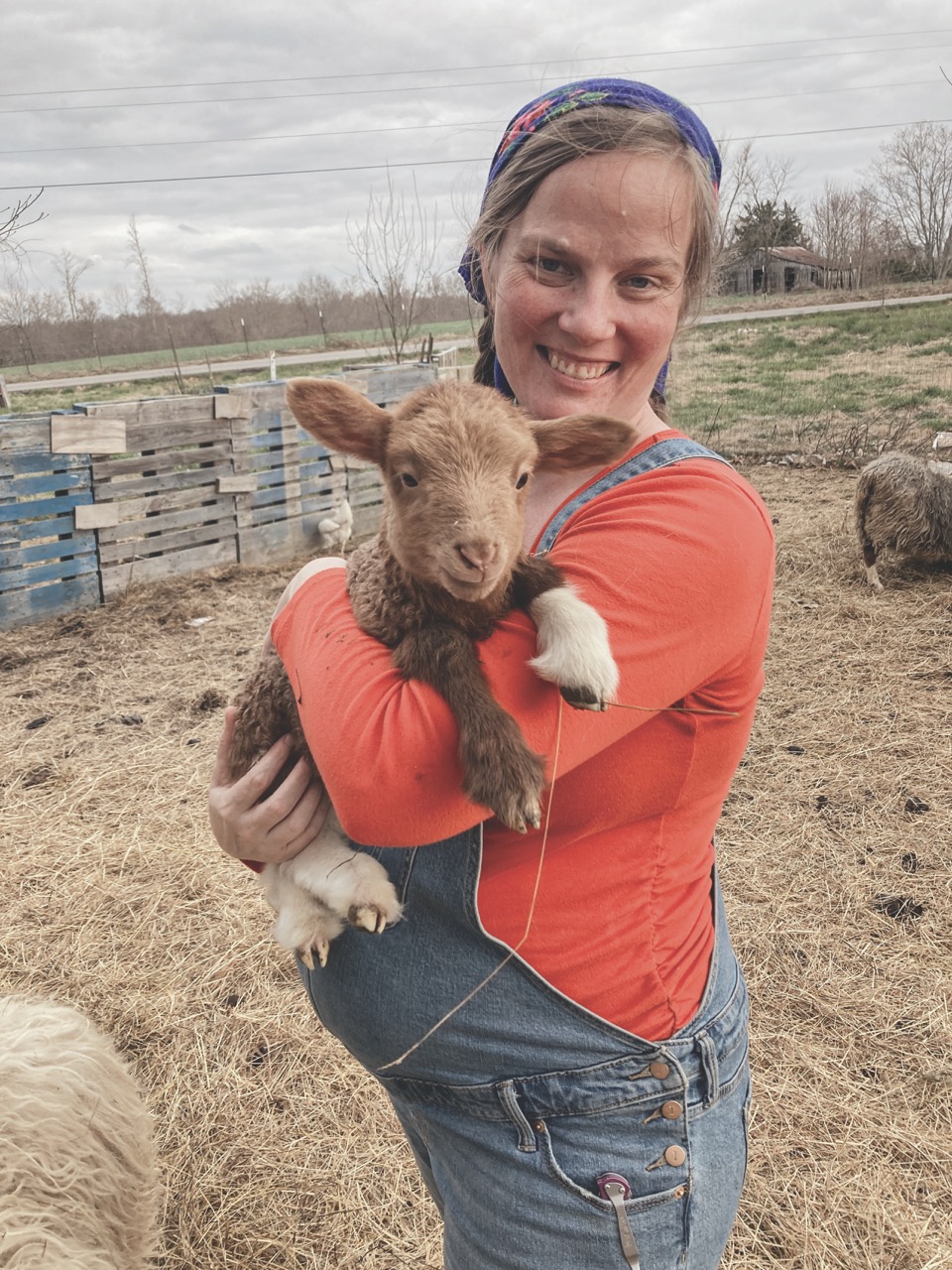
Awassi sheep are a Middle Eastern breed whose cousin is the Karakul sheep—both fat tailed breeds. They don’t produce as much milk as the East Friesian, but they are typically hardier, if not a little flightier. Assaf are an Israeli breed that was created by combining East Friesians with Awassi sheep.
Finally we have the Lacaune, which are a French breed of sheep from whom Roquefort cheese is made. Of the dairy specific breeds, these are my favorite. Their milk is high in fat and they are hardy with a decent temperament.
These breeds all have high milk production and long lactation times. Their udders are large and their teats typically a joy to grab onto and squeeze milk from. Their primary product is milk production, with meat and wool as byproducts.
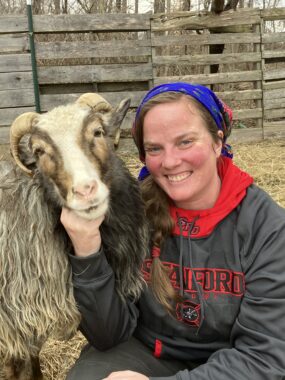
Meat breeds of sheep will lactate between three to six months, and it is luck-of-the-draw as to whether they will have jelly beans for teats or nice big handles. You won’t know until after you’ve bred and trained them to the stanchion and get them up there to see. I personally milk meat breeds and dairy crosses alike. I milk my purebred Gulf Coast Native sheep—a naturalized heritage breed from the American South. I also milk ewes that are crosses between East Friesians, Awassi, Lacaune, and other heritage breeds such as Icelandics and Tunis. The heritage breed genes give the ewes hardiness and the East Friesian genetics give them longer lactation and larger milk supply.
Many folks ask if they can milk their hair breed sheep. Yes you can—you can milk anything that lactates if you can hold on long enough. Hair sheep typically have very short lactation times and the amounts range from a cup to a pint. Some breed associations like the Tennessee Katadin Association have records of which family lines have higher milk production. However, while hair sheep have their place in this world, I try to encourage homesteaders to not shy away from the wooly breeds.
Other Useful Byproducts of Dairy Sheep
Wool is a fabulous homestead commodity that I am almost as passionate about as I am sheep milk. Wool is antimicrobial, antiviral, has a high frequency signature, and composts incredibly well. Plants that are mulched with wool are healthier, hardier, and more nutrient dense. People who wear wool are also healthier.
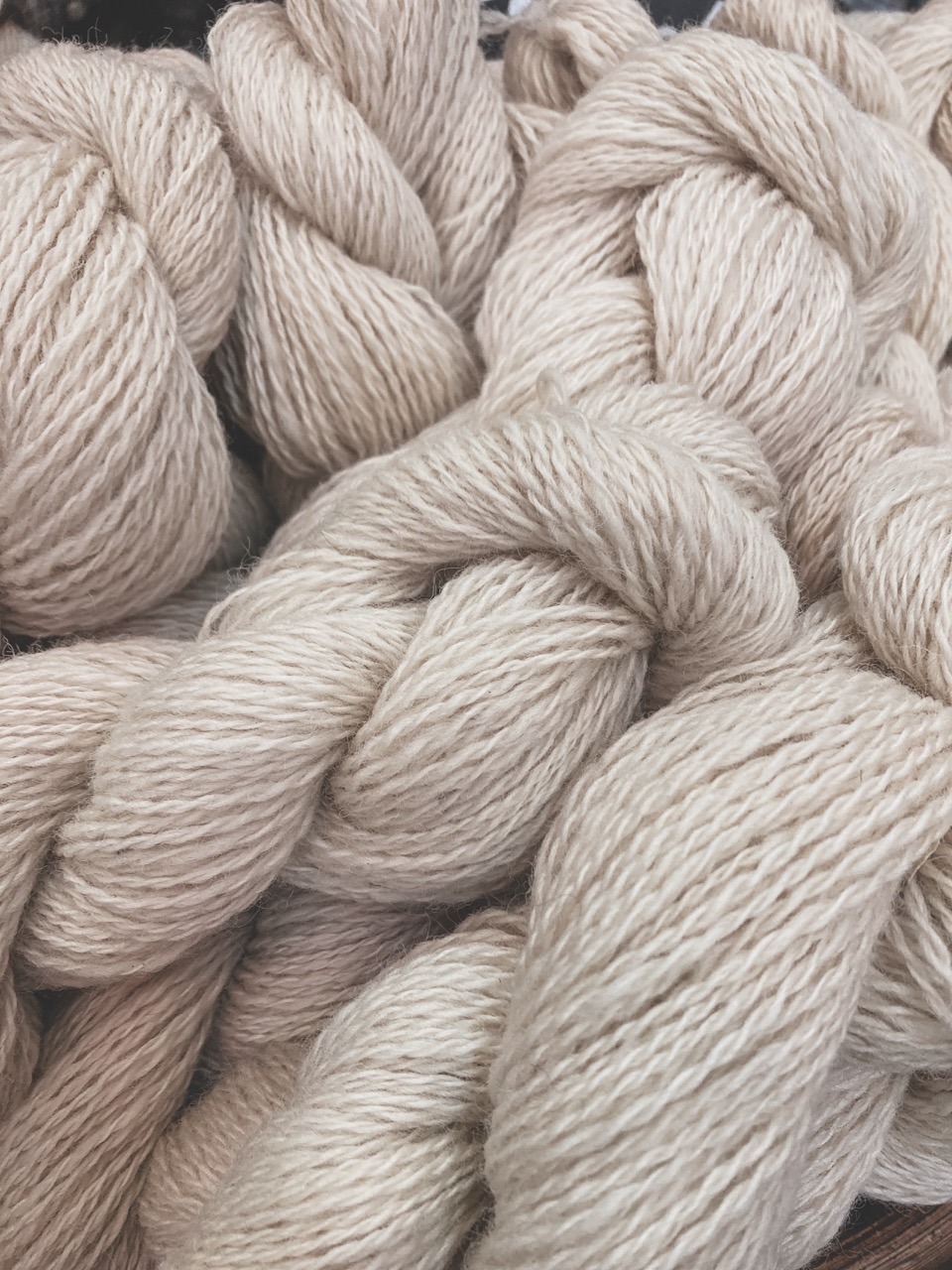
Felting one’s wool harvest is an easy way to turn it from a raw product into a value-added item that one can use, gift, or sell. Spinning, weaving, knitting, and crochet are all wonderful skills to bring back to daily homesteading life. None of them have to be super complicated, they just take time and practice to master. I personally spin and knit my sheep’s wool into both winter and summer garments for myself and my family. Wool wicks away moisture from sweat and is breathable, so if the created fabric is thin enough it makes fabulous summer wear. I also make blankets and stuffed animals for my son. My husband says the most comfortable pillow he’s ever used is the one I peg-loomed and stuffed with wool.
Sheep are also the ultimate permaculture animal. Dairy sheep are an untapped resource many homesteaders are currently unaware of. From their manure that feeds soil, to their wool that keeps us warm and healthy, to their nourishing meat and life-giving milk, I can say with confidence that sheep have improved our homestead exponentially.
How to Get Started with Dairy Sheep
So how does one go about acquiring one’s own flock of dairy sheep, and what does it take to start out? First, decide on what breed you want to bring home. We have about 50 breeds of sheep available in the United States, and all of them make milk after lambing. I recommend new shepherds start with four sheep; two ewes, a ram and a wether (a castrated male sheep). Sheep get lonely, so it’s important for your ram to have a buddy when he’s not in with his girls.
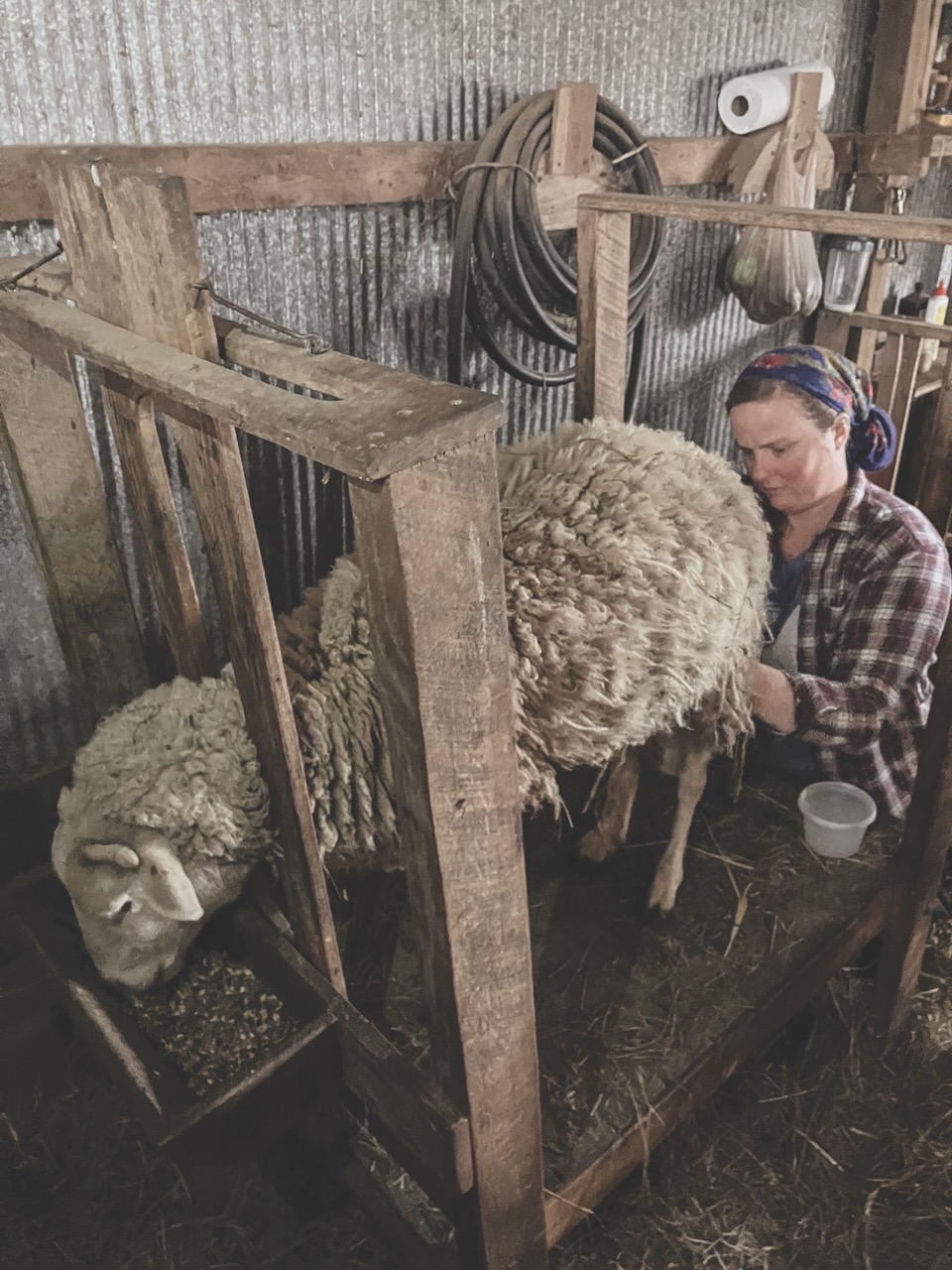
Once you get your new flock home, it’s important to start working with them right away and training them to your stanchion and routine. Yes, sheep are smart enough to train. They really aren’t stupid at all. But you do have to earn their trust, and establish yourself as their shepherd. Once they bestow that role upon you, training can begin.
A new organization was formed in 2024 as a resource to connect dairy shepherds and customers. The North American Dairy Sheep Association is a great place to find sellers of multiple sheep breeds being used for dairy.
I also have a detailed process outlined in my ebook, Bringing Your New Sheep Home, and I discuss the step-by step-processes on training your new sheep to be milked and how to hand milk them in my book, The Guide to Homestead Dairy Sheep.
All of that to say, if you are looking for a personal source of nourishing home dairy, as well as a number of potentially beneficial byproducts including meat, manure, and wool, consider the humble sheep as an option. Dairy sheep could just be the missing link on your homestead.



Leave a Reply