
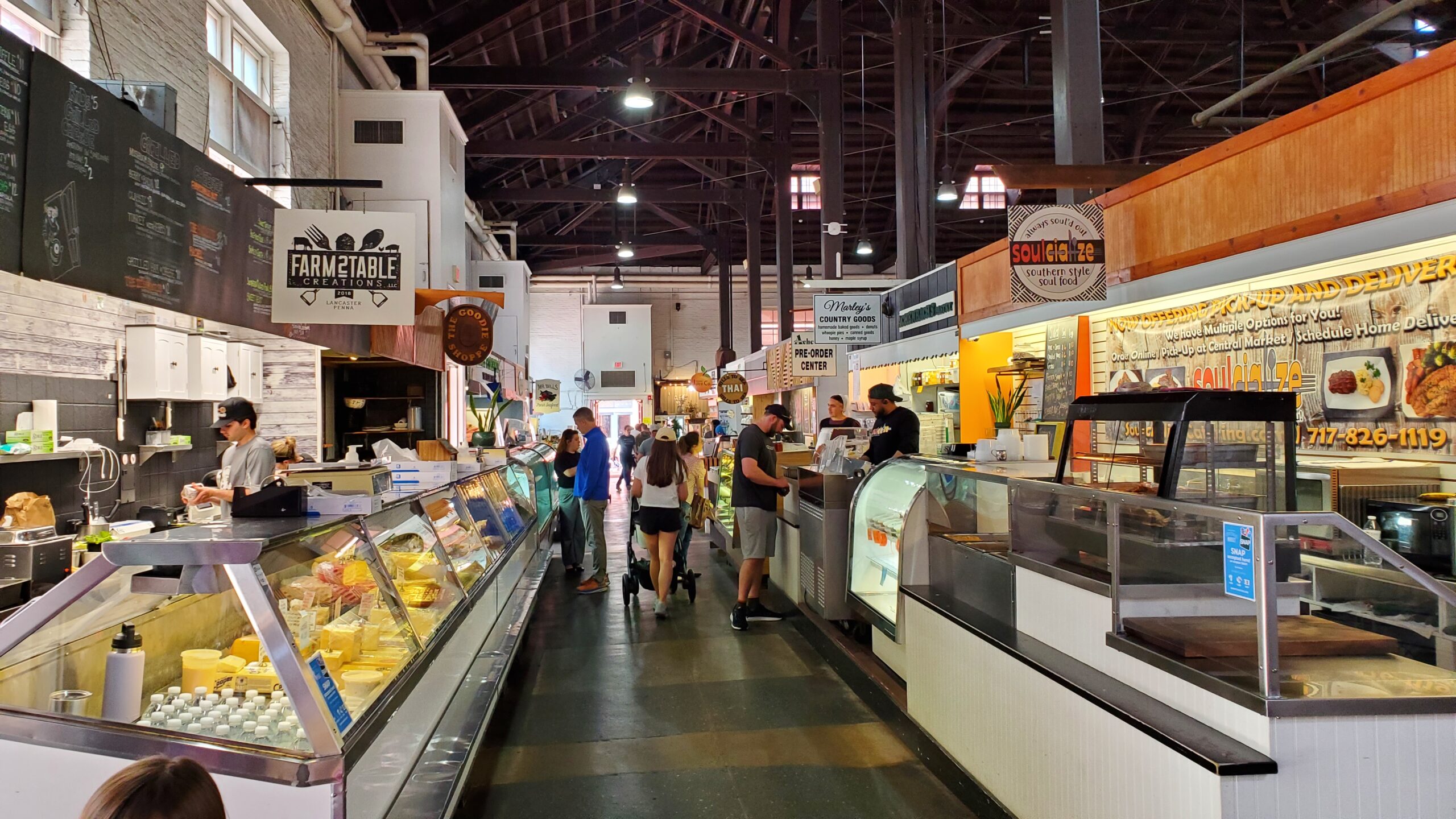
Homesteaders have always been an industrious bunch, filled with grit and determination to build something good for themselves, their families, and their communities. So, it’s only natural they would want to be rewarded for their hard work, allowed to sell or trade food products to earn a profit or defray operating costs. For a long time though, homesteaders in the United States and Canada could not legally produce and sell food products to others. In recent years, this has started to change.
How we got here
As western lands were settled in the 19th century, industrialization replaced the cottage industry model of agriculture. Businesses consolidated and grew into monopolies, government regulation and taxation increased, and a new system emerged, focused entirely on large-scale, commodity food production for global trade.
Inefficient small-scale farmers were eventually pushed out during World War II, when a U.S. Supreme Court decision made it illegal for individuals to control their own agricultural production for personal use, barter, or direct sale.1 Similar measures arose in Canada and the United Kingdom, where farmers could actually lose their land if they failed to modernize and meet government production quotas for commerce. This change enabled a swift government and corporate takeover of agriculture that continues to affect us today.
New priorities and opinions
Skipping the broader history and economics lessons, it took another 80 years for the novelty and convenience of industrial, war-time food production to lose its shine, and for people to question the wisdom of prioritizing efficiency and profit at the expense of consumer health. Now there are growing concerns that wholesome food, free of chemical poisons and cheap, addictive fillers, is beyond the reach of ordinary people. This is one reason homesteading and hobby farming—though technically illegal for so long—have become more attractive in recent years.
Public pressure for governments to recognize Food Sovereignty (the right of peoples to healthy and culturally appropriate food produced through ecologically sound and sustainable methods, and their right to define their own food and agriculture systems) is increasing. But change has been slow, and regulatory horror stories abound.
A patchwork of exceptions and new regulations allow individuals to produce and sell certain food products on a limited basis once again. But even under these new “cottage food” laws, legally producing and selling food on a small scale now depends entirely on where you live. And the overlap of local, state, and federal regulation means that small producers still fall into many legal “gray areas.”
Many homesteaders think they should just be able to make and sell whatever they want, with no regulation, imposed liability, or taxation whatsoever. Sadly, that’s just not realistic. With modern advancements in product safety and consumer protection, nobody really wants to go back to the “good old days” of poisonous bread, arsenic wallpaper, and lead-based paint. So, in this context, food regulation is vitally important, if imposed
rationally and fairly.
To complicate things, however, interpretation and enforcement of these measures is wildly inconsistent, sometimes even in the same state. For homesteaders to successfully navigate cottage food laws, they must educate themselves, hold government officials accountable to a fair and reasonable application of the rules, and sometimes, advocate strongly for more change.
Common provisions and limitations
Cottage food laws generally regulate:
- The type of food sold: shelf-stable foods at low-risk for food-borne illness
- How it is sold: at roadside stands, farmers’ markets, direct sales, or online
- When or how often it is sold: continually, periodically, or seasonally
- Where it is sold: on the property where it was produced, at retail stores, delivered, or shipped
- To whom it is sold: local consumers, in-state, or county residents only
- How much can be sold: annual quantity or sales caps
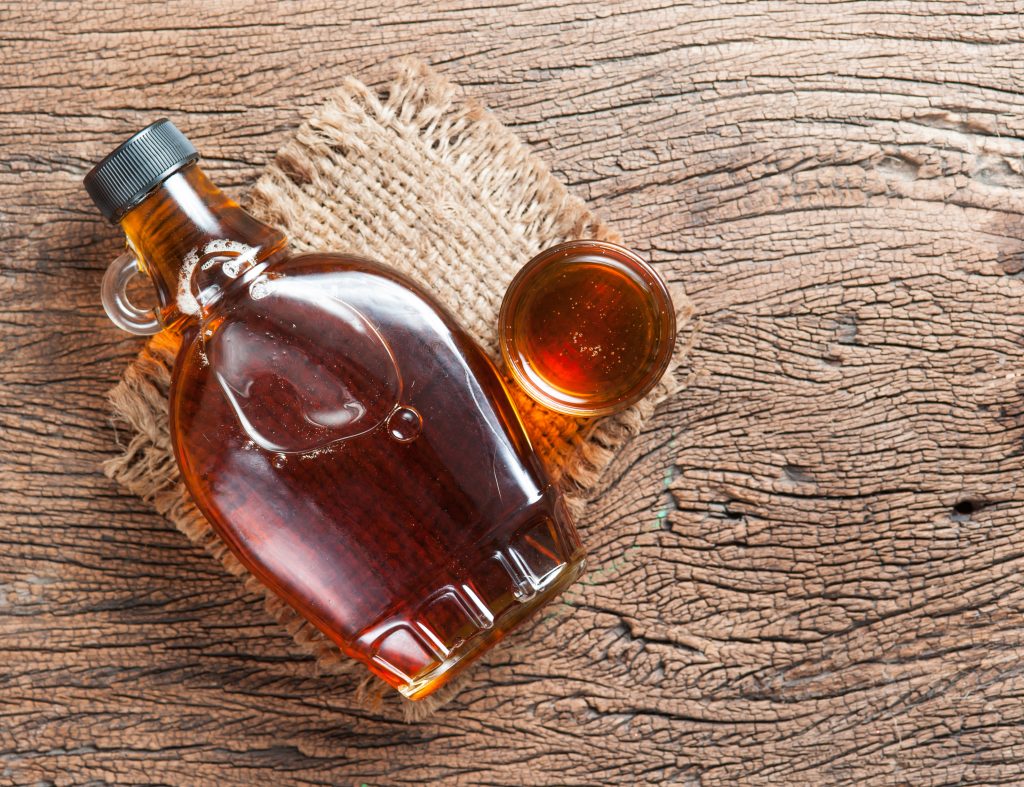
Allowable foods include cleaned, raw vegetables; culinary herbs and packaged spices; properly-canned, high-acid, pickled, or fermented foods; jams, jellies, and syrups; and sometimes, breads and refrigerated baked goods.
These statutes often cite the published guidelines of the USDA National Institute of Food and Agriculture Cooperative Extension System.2 The university-affiliated Cooperative Extension System guides are extensive, and many states require cottage food producers to comply fully with their food preparation and safety instructions. For example, North Carolina State University has a comprehensive “Food Business” website, and the Carolina Farm Stewardship Association publishes a helpful model guide on starting and growing food businesses there. Similar resources exist elsewhere and in Canada.
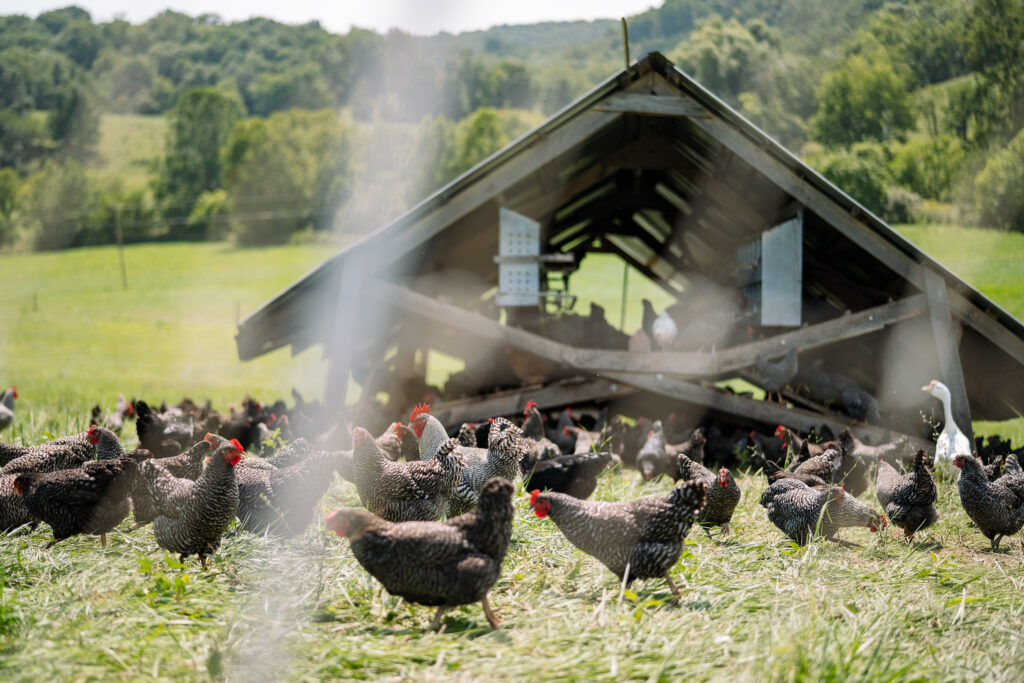
Even so, production of fresh eggs, milk (especially raw, unpasteurized milk), butter, cheeses, honey, and medicinal herbs is usually restricted, with many states barring their production on a “cottage food” level. The sale of domestic and wild game meats and poultry (raw, frozen, cooked, or cured), and rendered animal fats (tallow, lard, schmaltz, etc.), are also prohibited under state and federal licensing, inspection, and grading requirements.
A few jurisdictions even require cottage foods to be produced by regularly-inspected, licensed, and insured commercial kitchens, and only by individuals with valid food safety certification. Some even forbid cottage food producers from owning pets.
U.S. Food and Drug Administration (FDA) nutrition and labeling rules also apply in most cases, placing these foods squarely in the realm of large, commercial operations. There are exceptions though, so check the rules in your state.
Is it worth the effort?
I won’t sugar-coat it: small-scale agribusiness is a disadvantaged, niche industry. With all of these overlapping restrictions, it might seem that cottage food laws aren’t all they’re cracked up to be either. In some places, you would be right. Where the costs of business licensing, inspection, certification, insurance, and taxation reaches the sales cap of a cottage food statute, it might not be worth the effort, or liability, of selling your products there (think California).
But you shouldn’t be discouraged to hear any of this. You can’t skate through on nostalgia and willful ignorance until the regulatory shoe comes crashing down with charges and heavy fines. With knowledge, dedication, and creativity, you can thrive in the modern food economy, and understanding the legal landscape will help you do exactly that.
Learn to D.R.E.A.M.
As Ben Franklin famously said, “By failing to prepare, you are preparing to fail.” Even if you’re not looking to become the next Auntie Anne’s or Cinnabon (yes, they both have cottage food roots), careful planning of your approach can mean the difference between an expensive hobby and a viable business. Here is a basic outline to help get you started:
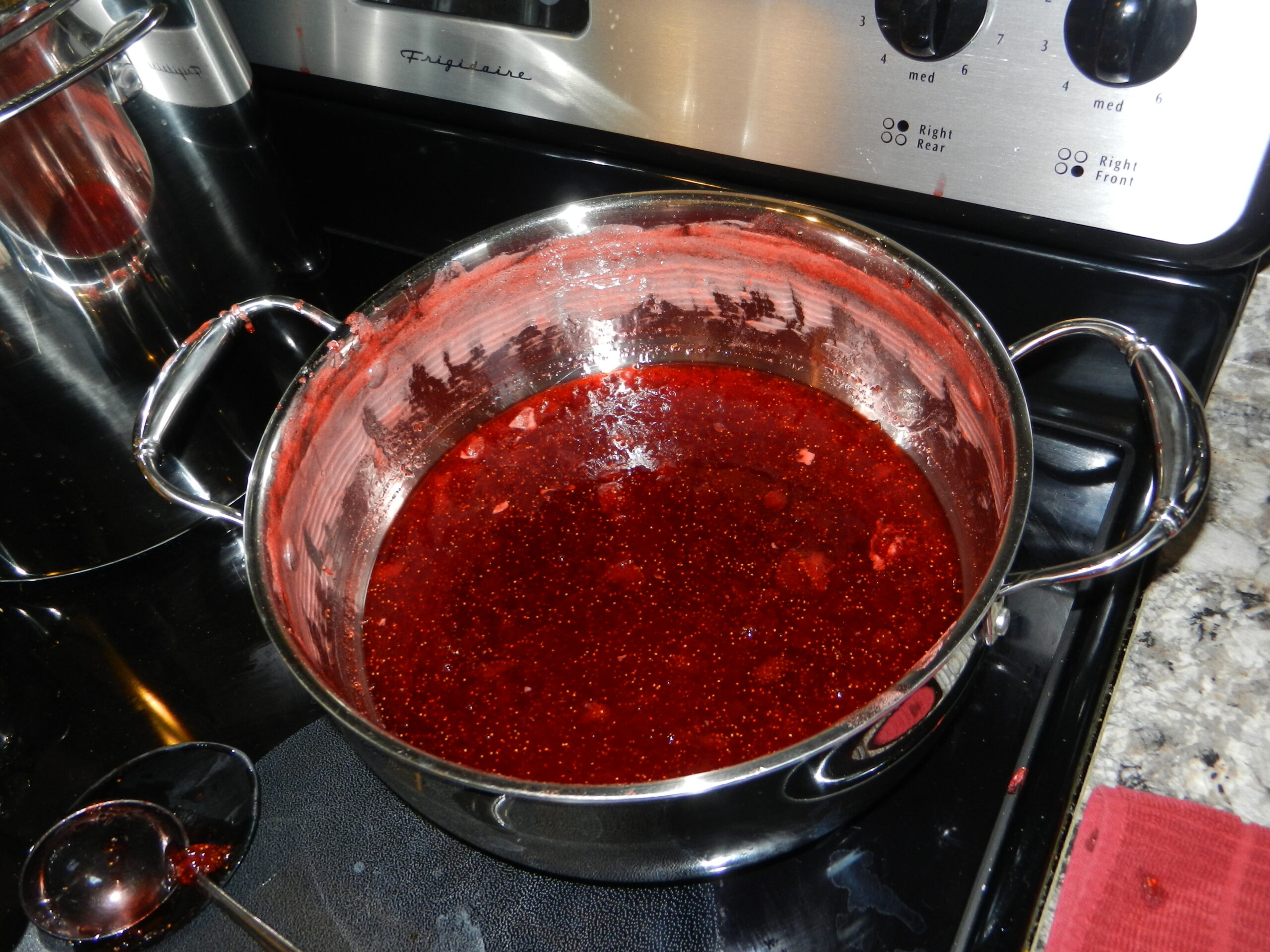
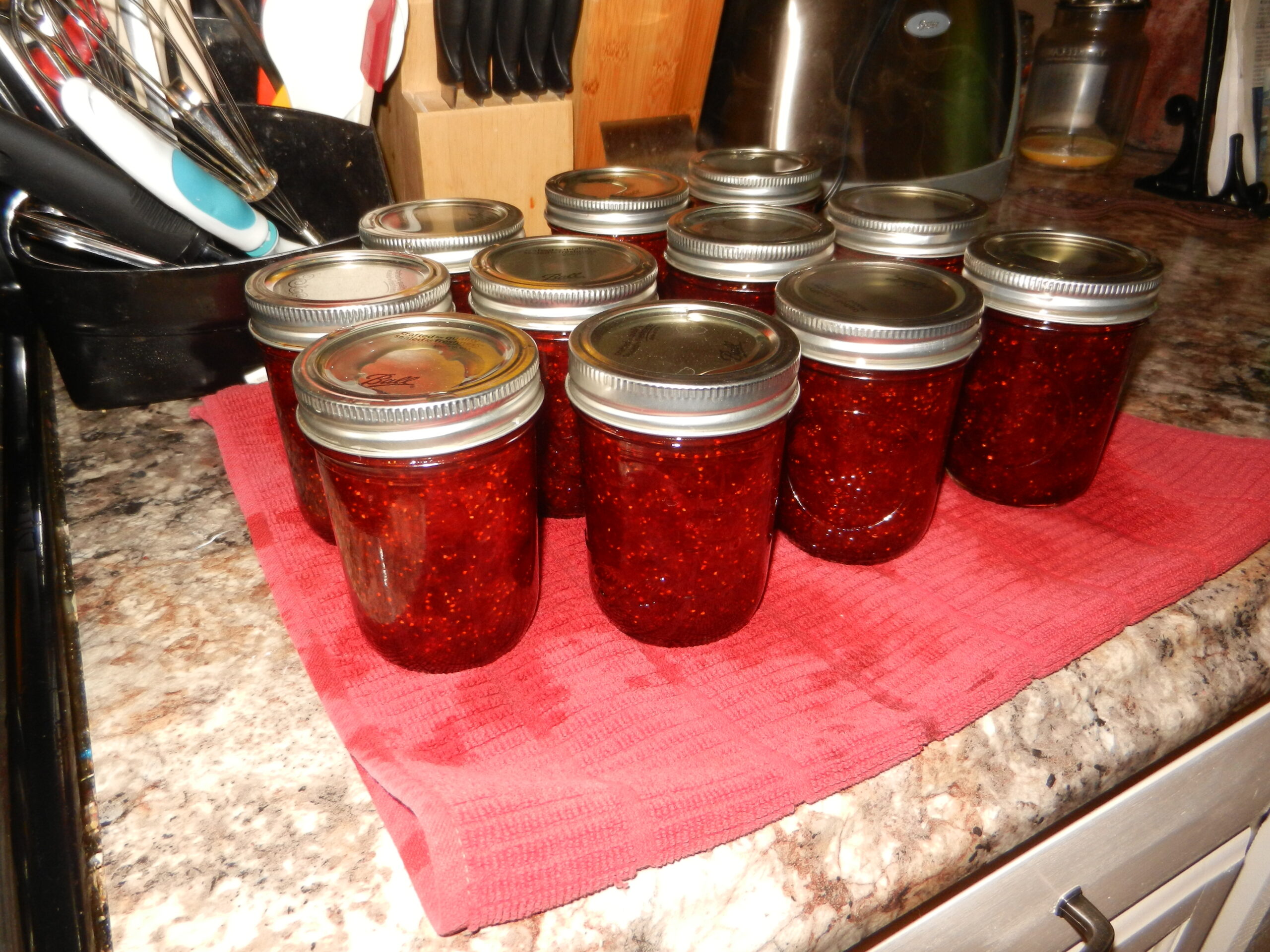
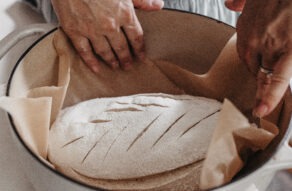
Decide whether cottage food is a good fit for you. Learning to garden, raise animals, and make things yourself gets the mental wheels turning. Figuring out how cottage food production fits into your overall homesteading plan is the next step. From eggs to sourdough, almost everyone who has an oversupply on the farm, or gets really good at making something at home, starts thinking about selling it for extra money. For me, it started with jams, and my wife became our resident sourdough expert. If you love growing fruit, consider making fresh pies. Use your abundance or follow your passions to find the best product for you.
Research applicable laws to learn what foods you can sell in your state. Before you fully commit to a cottage food business, see if your product or specialty is something that can be legally sold. Some foods are less heavily regulated than others, and you may be able to jump straight into production. Even if it isn’t, explore other available options to make your interests work. For example, if you can’t legally make pumpkin butter, pivot to pumpkin pies and fall centerpieces. There are some great cottage food websites to start with these days, like forrager.com and cottagefoodlaws.com, among others. Never rely solely on second-hand information though. For the latest requirements, confirm the rules directly with your state’s cottage food regulators. Don’t forget about local food safety, inspection, business licensing, and sales tax requirements either.
Explore the options on your own terms. Like homesteading on small acreage, your food business aspirations might just be for personal enjoyment, socialization, or a sense of belonging in the broader homesteading community. Don’t feel pressured to expand more than you want to. Starting out small and staying small, or slowly growing your business, can reduce your stress and help build confidence. You might find your joy in small-batch, gourmet products that sell out within an hour, giving you a few dollars and more time to enjoy the farmers markets yourself.
Assess the risks and benefits of a cottage food business. Setting goals, identifying resources, and getting feedback from potential customers, suppliers, and friends will provide a realistic picture of the demand for cottage food products in your area. Visit other vendors and food stands to see what and how they’re selling. Seek advice, listen, and learn from the challenges and triumphs of others.
Make a small business plan to outline the liabilities, expenses, and potential profits of a cottage food business. Understanding your supply chain and workflow, learning how to affordably create the best products, and effectively brand and sell to your potential customers is essential to the success of any homestead food business. Having a small business plan is often required for financing (with banks or hesitant spouses and partners), and a detailed, well-researched prospectus showcases your commitment.
Key Takeaways
I know it can be overwhelming to read all of this for the first time. What I hope you take away from this article is that cottage food laws are continually-evolving, understandable, and useful tools. Although they can seem convoluted and restrictive at times, they are actually intended to encourage the growth of small-scale food producers in a safe manner. If done properly, the cottage food experience is a valuable path to an enjoyable and lucrative food business, as many homestead entrepreneurs have already discovered.
As modern homesteaders, we have knowledge and resources available that previous generations never had. The internet and social media have given us access to new customers and unimaginably powerful collaboration, marketing, and sales tools. As humanity re-examines its approach to corporate agriculture and industrial food production, we also have the growing support of consumers seeking healthier, more sustainable food products.
Even in the most restrictive jurisdictions, there is usually something that homesteaders can legally and profitably sell. Sure, it takes a little more research, planning, and commitment than it used to. But the rewards can be greater than ever before.
Legal Disclaimer: This article is for educational and entertainment purposes only. It is not business or legal advice, solicitation, or legal advertising. It does not create an attorney-client relationship. Always consult a licensed attorney in your area for legal advice or representation.
Works Cited:
1 “Wickard v. Filburn, 317 U.S. 111 (1942)” Oyez,
www.oyez.org/cases/1940-1955/317us111
2 National Institute of Food and Agriculture. “Cooperative Extension System.”
www.nifa.usda.gov/about-nifa/how-we-work/extension/cooperative-extension-system



Leave a Reply