
We purchased our little farm by the sea more than eight years ago now. I instantly fell in love with the smell of the briny ocean air, the low and steady call of the distant foghorn, and the melody of the ocean waves rolling over the rocky Jasper Beach below.
My husband, Ben, was impressed with the very dense and diverse population of maple, birch, spruce, and fir trees that had managed to lay down a network of strong roots on this rugged coastal property. Once settled in, I made note of where the sunny spaces were in anticipation of planning my next year’s garden. It was July, and the trees were in full leaf; the perfect time to mark those areas. We had planned for some selective tree harvesting during the winter to open those sunny areas further. The harvested wood would be used to heat the farmhouse the following winter. But what to do with all the branches, twigs, leaves, and old downed wood left on the ground? At $80 an hour, the cost to hire someone to haul it off was counterproductive, so we stacked the debris in large piles and planned for a massive bonfire.
Spring arrived at Starboard Farm, and it was then that the reality of living on a heavily-wooded coastal mountain consisting entirely of ledge set in. We quickly discovered the ground on most of the property was merely six inches—at best—of soil over solid ledge. The only space that had any degree of soil depth was where the house had been built. Our vision for a traditional tilled garden that would feed us throughout the year was quickly dashed.
Hügelkultur: Mimicking Mother Nature’s Plan
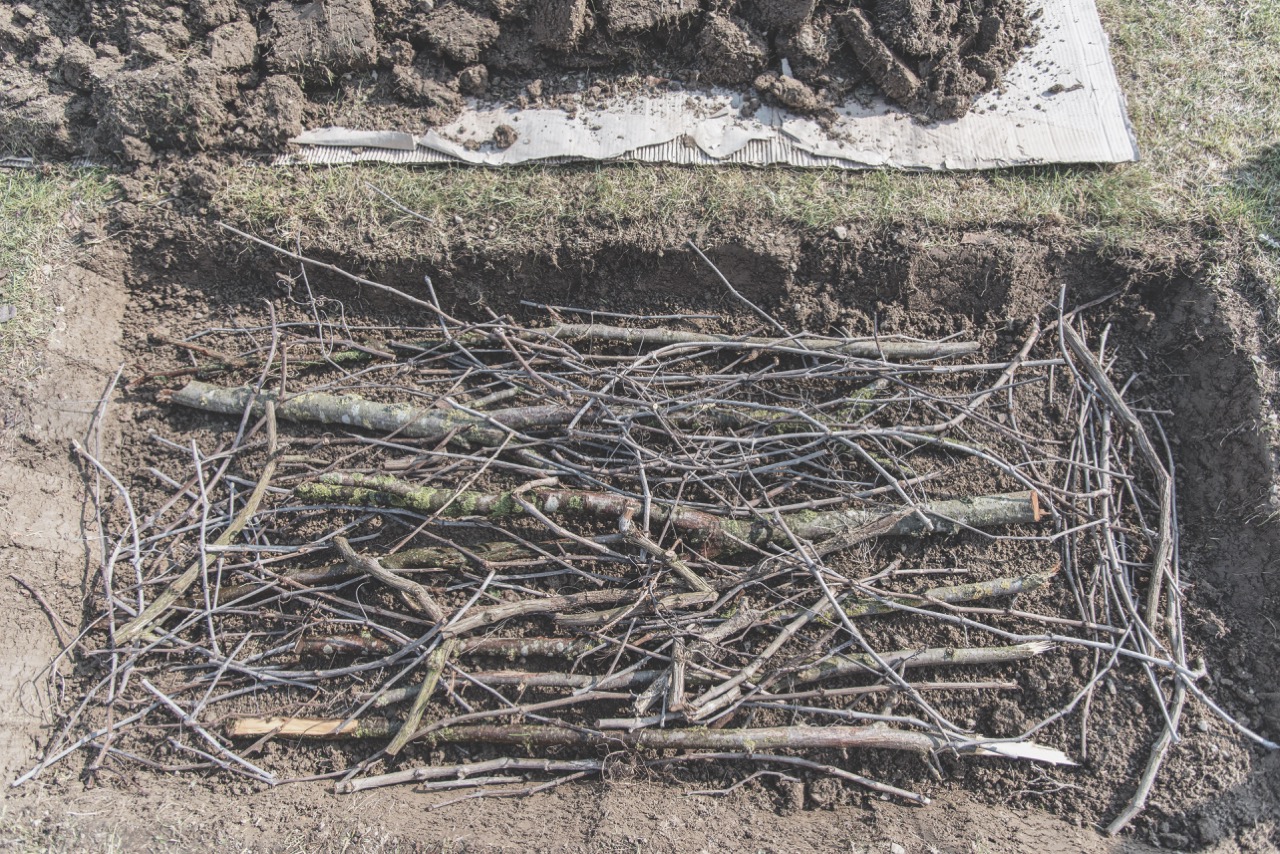
Several years prior, we had attended a demonstration on hügelkultur at the Common Ground Fair in Unity, Maine. Hügelkultur is a funny sounding name for a non-tillable, sustainable gardening technique that mimics a fallen tree in a woodland setting. The hügel mound or bed is a spatially efficient design that imitates natural nutrient cycling. This basic, yet adaptable design involves digging a trench and burying logs, branches, compost, sod, leaves, and garden debris into a mound. As the mound breaks down, the interior of the hügel acts as a water reservoir and low-level composting system. Over time, the mound comes alive with biological activity as a home for microbes, beneficial soil fungi, and insects all while recycling and conserving nutrients and building a healthy soil structure. The practice of hügelkultur retains nutrients so they do not leach.
There are endless ways to “hügel,” and we were fascinated to learn that the mounds are adaptable to any geographic area or landscape. The hügel can be a traditionally-dug trench, created flat on the ground with rock or log borders, or raised beds which essentially mimic the traditional trench. Hügelkultur’s ability to retain water during long, dry weather patterns makes it an excellent option for areas with little rainfall or no irrigation. I now realized how we could capitalize on all the woody debris we had planned to burn.
How We Created Our Hügelkultur Beds
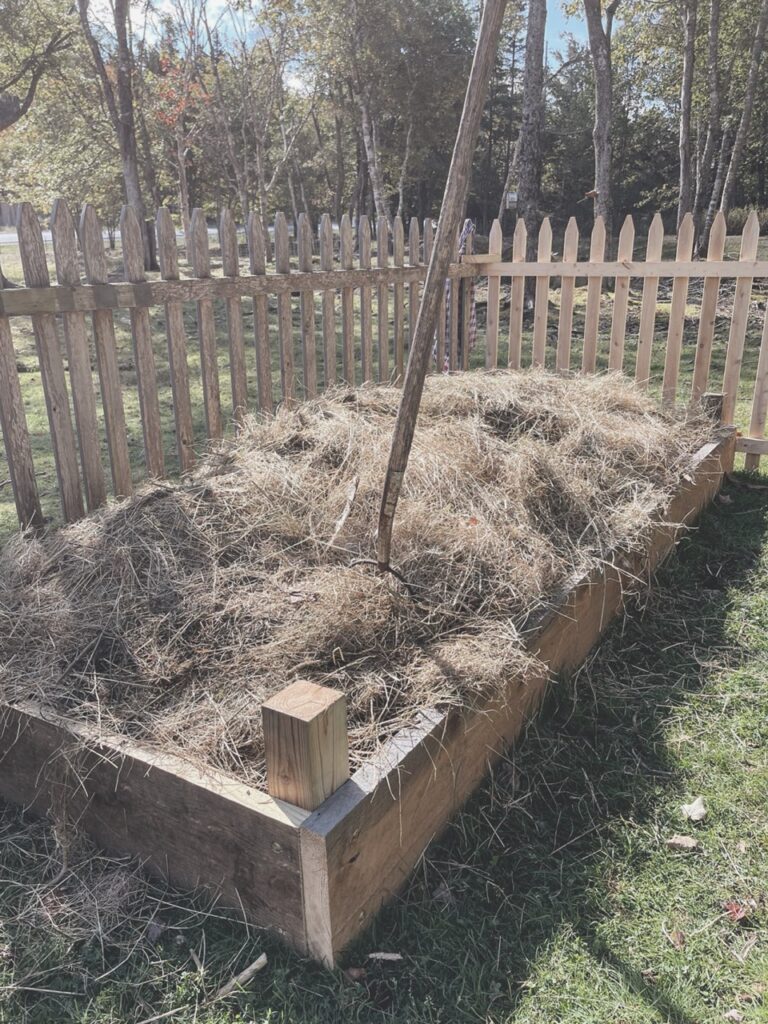
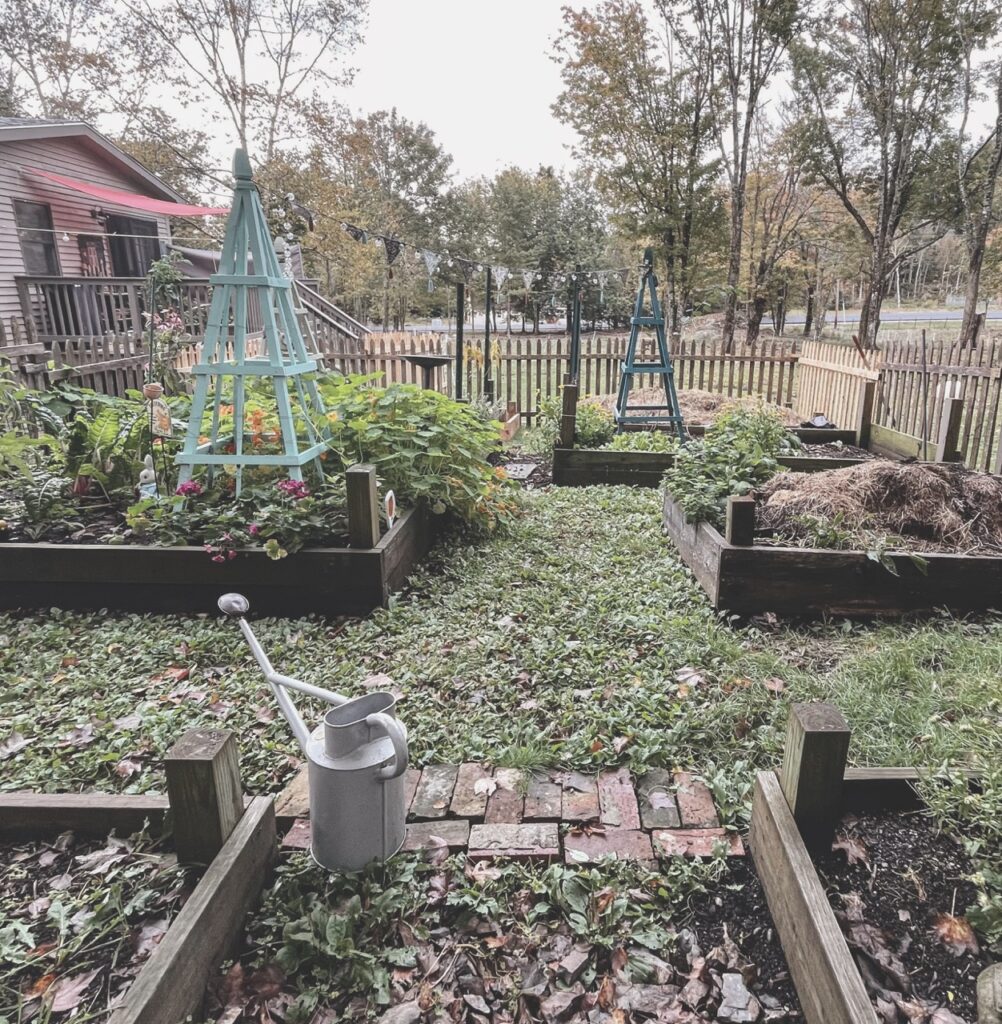
We spent our first winter warm and toasty alongside the woodstove drawing up plans for two large hügel beds. That first spring Ben built two raised beds from scrap hemlock boards leftover from the new sheep barn floor. Each bed measured 12 feet long by 4 feet wide by 10 inches high. Hemlock or cedar work best for the exterior bed frame as they are naturally rot-resistant and not treated with chemicals.
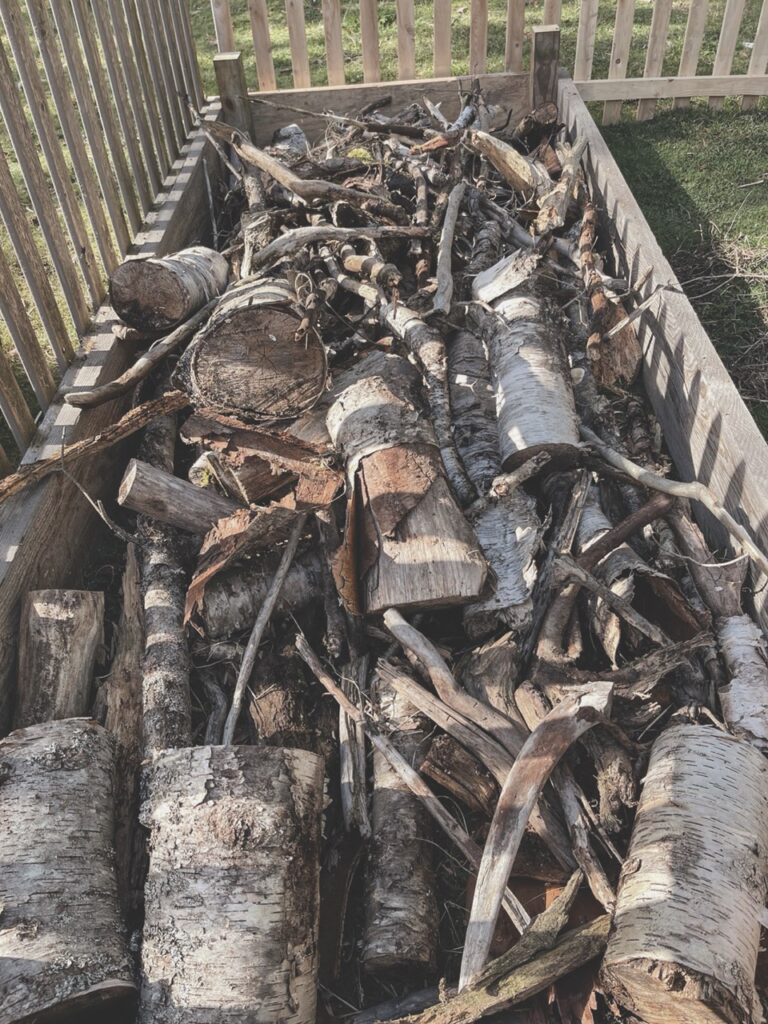
We had a limited amount of composted manure from our small herd of sheep and flock of chickens. We mutually agreed we did not want to import soil from an unknown source, so we turned to the woods surrounding the farm that was rich with fallen trees that had already begun to decompose and release nutrients. We gathered maple, birch, spruce, and fir logs along with small branches. The already-fallen softwoods that had begun to decay in the woods would provide an early supply of nutrients while the birch and maple would contribute for the future.
I will confess, this was a tremendous amount of work and after the first bed was filled, I began to question our sanity. However, we were delighted in the knowledge that we were neither importing or exporting carbon, and using resources from our local biotic community.
To create the hügelkultur beds we chose an area that was as flat as possible, would have sun most of the day, and would have the right landscape surrounding it to expand in the future. Laying the beds north to south, we added a layer of chipped wood to cover the ground inside. The chipped wood would act as a weed suppressant as well as help retain water. We opted to not use cardboard in our base or design as we were unsure what chemicals used in manufacture may be present in the ink or cardboard.
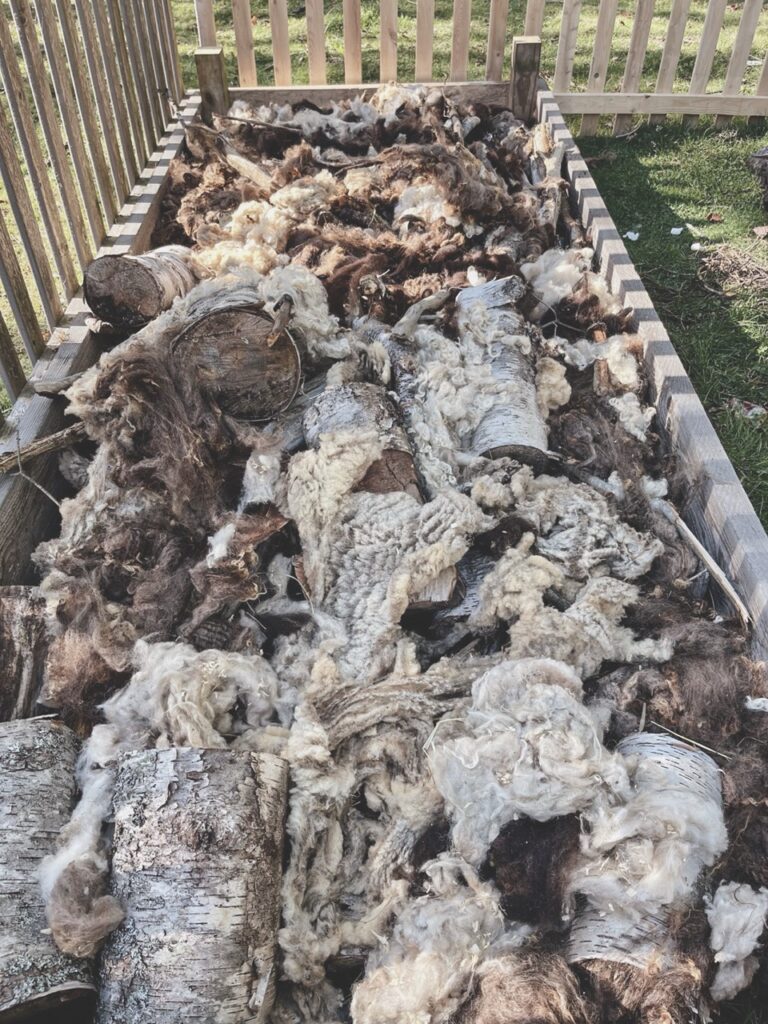
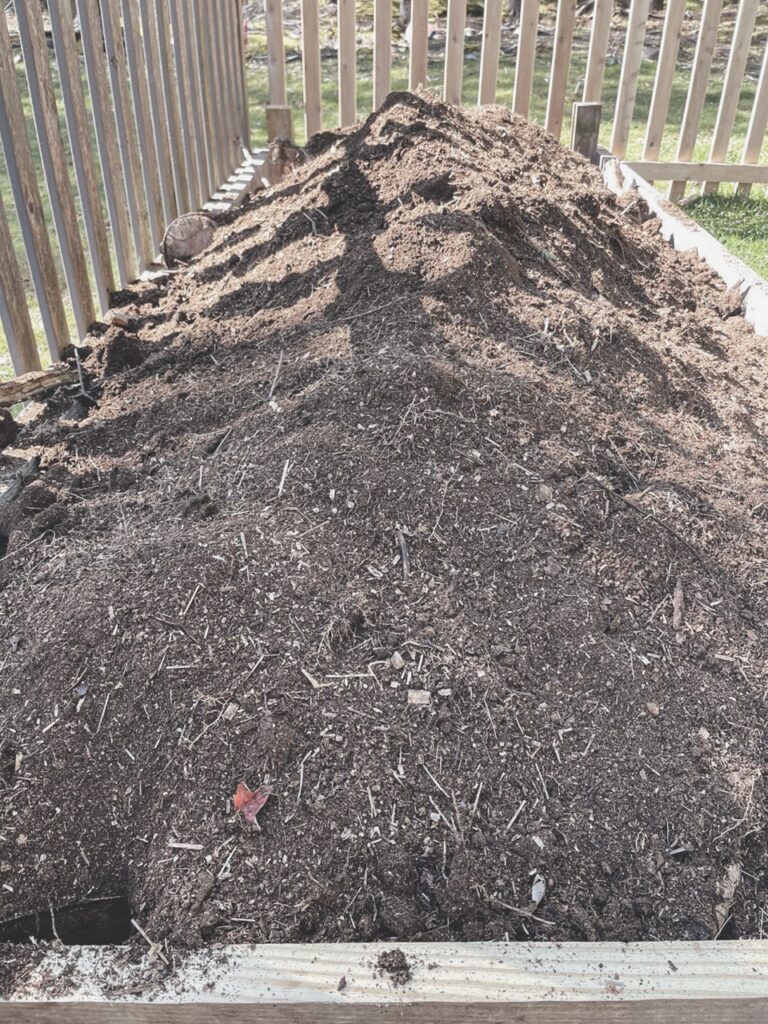
Next, we laid the large logs, using the birch and maple as a base and laying the partially-rotted logs in next, packing them as tight as possible. Leaves, twigs, wool from our sheep that added an extra layer of water retention, larger branches from the debris pile, kitchen and animal compost all went in with no real degree of organization other than paying close attention to filling in the gaps. I mounded the bed higher in the middle, topped it off with more compost and old hay, and watered thoroughly.
That year I threw any seed I could find into those beds. The seeds sprouted and began to grow, flourish, and produce! As they grew, their roots helped to break down the hügel layers and reap the rewards of the nutrients within. We learned much from those initial beds, and over the past eight years have fine-tuned our process and have increased our bed yields by making a few simple changes.
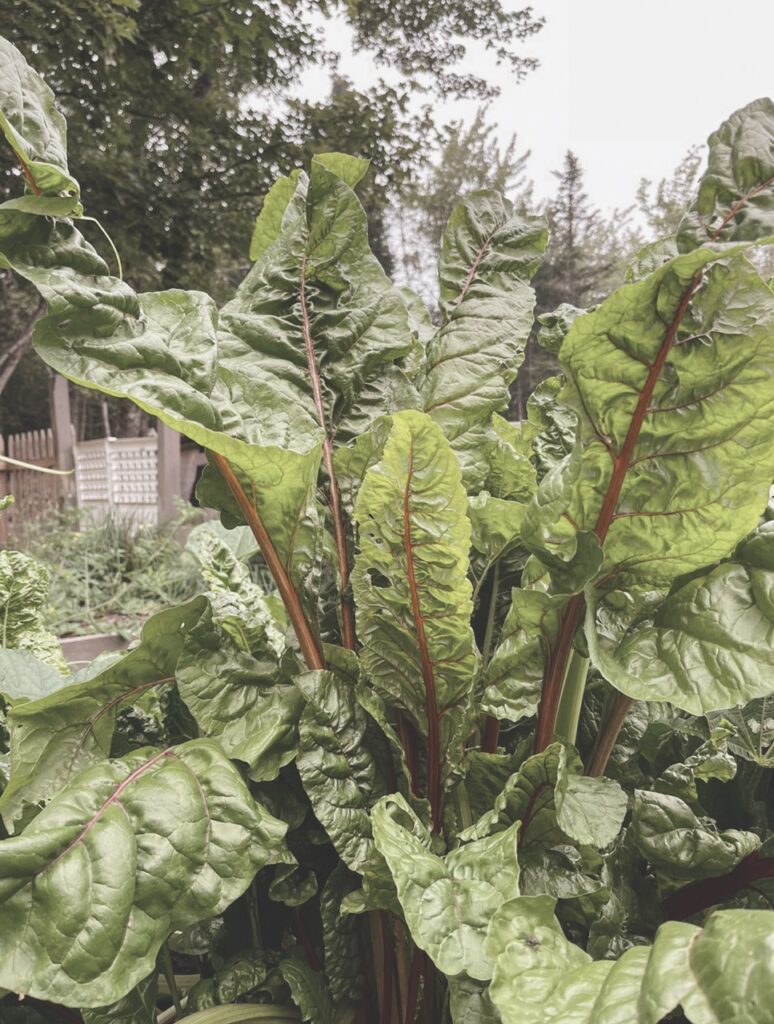
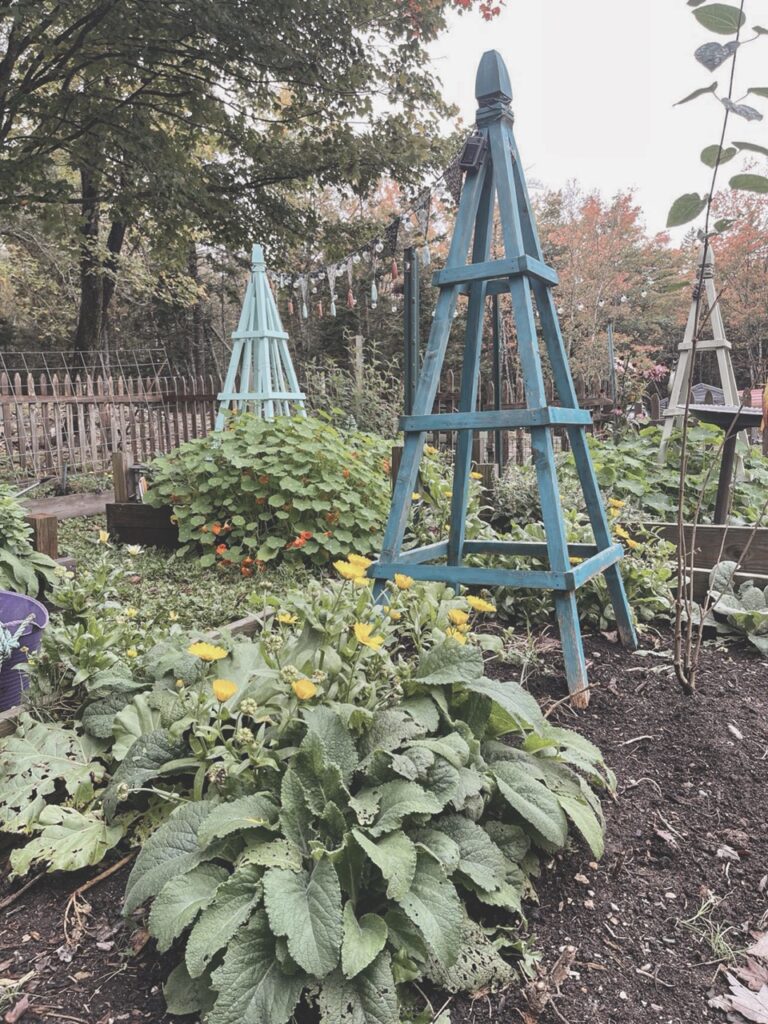
For starters, we learned that new beds tend to be low on nitrogen as nitrogen is tied up in the wood that first year. Therefore, I make sure to plant vegetables that do not crave massive amounts of nitrogen. I usually plant different varieties of squash, leafy vegetables, and flowers such as nasturtium and calendula in the first-year beds, and then rotate crops in the beds each season as they break down. By year three, I’ve witnessed the healthiest growth and yield. That’s how I know that the organic matter within the beds has become stable and it’s time to plan the process of amending those older beds with seaweed or compost in the fall.
We also learned that most of our new hügel beds lose over a third of their height after one growing season and must be built back up in the fall. Hügelkultur gardening is initially labor-intensive, but as we fine-tuned what we learned from the first two beds, the additional beds seemed less of a chore. Now, during the spring and summer months, I continually throw yard waste, compost, and other organic matter directly on the spot where I know the next two beds will be placed. By fall there is less space to fill and less work to do!
The Pros and Cons of Hügelkultur
After eight years of experience creating and growing in hügelkultur beds, these are the pros and cons:
Pros
I rarely have to weed these beds compared to a conventional tilled garden.
The need to water is reduced drastically in comparison to tilled beds. This year we experienced a drought period of no substantial rain for over a month and the hügel beds continued to thrive and produce.
As an advanced-aged homesteader, I appreciate that the beds are higher off the ground, making them easier to harvest and maintain.
Hügel beds are “self-tilling” in a manner of speaking. Other than the addition of organic matter after a few years and filling in gaps and holes, the hügel bed is “turn-key” each spring.
Hügel beds extend my growing season here in Maine as the soil remains warmer with the decomposition process.
Hügel beds assist in cleaning up your homestead by using the debris to cycle nutrients and build soil fertility.
Cons
Hügel beds can be more labor intensive and obtaining organic matter to fill them can be a challenge depending on your location.
Little animals LOVE hügels. I’ve had snakes, toads, field mice, chipmunks, and squirrels make their home in a new hügel and destroy any seedling that came to light. Snakes and toads are beneficial, so I make it a point to live in harmony.
Hügel beds tie up essential nitrogen the first season, so heavy, nitrogen-feeding plants like corn or tomatoes will not fare well in first-year beds.
Is hügelkultur the right fit for your homestead? This will depend on your space, future goals, and resources at hand, however, if you are looking for a low-maintenance, sustainable gardening practice that will enhance your garden’s productivity as well as cycling nutrients from your homestead, then hügelkultur raised beds are worth considering.
Did You Know?
Hügelkultur is a traditional gardening technique originating in Germany that involves building raised garden beds from layers of decaying wood, organic matter, and soil.
The term “Hügelkultur” literally translates to “mound culture” or “hill culture” in German.





Leave a Reply