
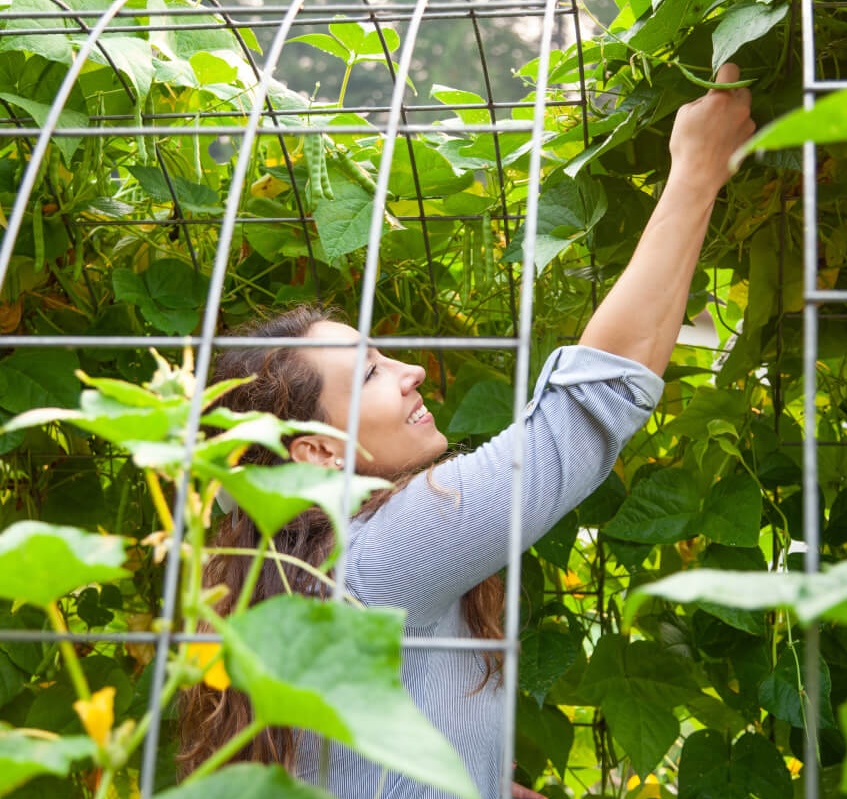
Most homesteaders start with abundance in mind but somewhere along the way become less enthusiastic because the blackberries got anthracnose, the cows jumped the fence, and the tomatoes expressed blossom-end rot.
Our initial fantasies and dreams turn to reality sooner than we’d like and we’re suddenly faced with a daunting amount of maintenance. The castles we’ve built in our imagination actually require more — more work, more knowledge, more observation, more skill — than we first envisioned. The average life of a small-acreage property in the U.S. is six years. The first two years are the honeymoon phase. The next two become burdensome. Then it takes two years to sell it.
The one million backyard chicken flocks begun in 2020 during the initial paranoia of the COVID pandemic are dropping fast. If you’ve been watching the news lately, people are abandoning these birds, taking them to animal shelters, or butchering them. Somewhere between initial euphoria and mid-term slog, the idea of a backyard chicken flock became work rather than mere fun.
My mentor Allan Nation, founder of The Stockman Grass Farmer, liked to use the term “slog” to describe the lion’s share of time spent producing something. Whether in homesteading or business, much of it is a daily grind, a regimen of cleaning dirty water troughs, toting feed, and hauling compost. And unplanned death.
My old-timer neighbor farmer used to tell me that no matter whether you had two cows or a hundred, you always had one you wanted everyone to see and one you hoped would stay out behind the bushes. He also said that anyone who hasn’t lost a cow never raised one. I lost count long ago the number of panicked emails and calls I’ve received from folks facing the first chicken death. “All the chickens looked healthy last week and today I went out and one was dead!” they cry.
I view this introductory column as a kind of reality check, like pre-marital counseling or even wedding vows. “In sickness and in health, for richer or poorer” developed because wise elders realized that the honeymoon would end and it would, at times, turn into a slog. Unmet expectations, dirty diapers, and disagreements over parenting gradually creep in. Early romance gives way to reality.
Fortunately, if a couple endures these painful middle years — if they learn to appreciate their differences, learn to communicate, learn to cleave to those vows and dreams — a true and deep love sets in. Genuine, strong, abiding. Life must run its course before the relationship matures into its fullness. Indeed, psychologists now recognize that the most intimate friendships only develop in shared adversity. You don’t build deep, lasting friendships at parties and celebrations; you develop them in the slugfest of life. That’s why military personnel usually have life-long, deep friendships after serving in undesirable conditions.
This is the first issue of a publication dedicated to homesteading success and I debated long and hard about what I could bring to the table. What kind of an appetizer could I serve that would be helpful? When Melissa asked me to address foundations, I couldn’t help but deal with this cycle that I’ve seen countless times. In fact, it’s more common than perseverance.
Business guru Peter Drucker talks about the learning curve. You have an idea or a dream, and you jump in. But instead of a gentle upward trajectory toward flight, you actually nosedive into what he called the “slough.” It’s a valley of learning, of trying new things, of developing protocols, and it usually lasts 3-5 years. That’s a long time in our modern day, where instant gratification and sound bites dominate our expectations.
Fortunately, the curve does eventually bend upward until it reaches the success originally envisioned. The great news is that it continues to climb toward mastery and full-blown satisfaction. That’s where a marriage, outlasting the middle years’ slog, culminates. That’s the goal, which is why quitting and starting over simply shortens the final satisfaction and joy. More often than not, starting over means you never have time to reach maturity.
In this first column, then, I thought it best to speak frankly and openly about early homestead ecstasy because buyer’s remorse is more common than not. In my experience, the folks who quit do so not because they can’t eventually get it right. Not because they lack money. Not because they lack skill, even. Usually, it’s just slow burnout and disappointment about matters not being what they envisioned.
In other words, burnout is primarily emotional, not financial, knowledge, or resource-based. Anyone can do this work, but the difference between long-term success and quitting is attitudinal. Notice I used the term quitting rather than failure. That’s because new ventures — goodness, even old ventures — fail routinely. Failing at things is how you learn.
A child doesn’t walk well at first, talk well at first, or even poop well at first. Okay, they poop well, but they don’t know where to put it. The point is, we don’t do anything well the first time. We don’t drive nails well, run a circle saw well, or plant tomatoes well. We must be mentored. We must experiment. We must fail. Welcome to life. But it is in that adversity, in the crucible of trying, of poking around new ideas, that we develop both proficiency and deep personal attraction to those on our team.
If you’re in the initial dreaming stage, reading books, watching videos, and enthusiastically planning your homestead, brace yourself. It won’t be as easy as you think. You won’t complete projects as fast as you think. Here on our farm, we’ve had some projects on our “to-do” list for five years. Sometimes we look at old project lists just for fun and realize how foolish some were. “Glad we didn’t do that one,” we laugh. I’m trying to give you the gift of mental and emotional reality to be prepared and not surprised when dark days come. They will. Embrace them. The sun will rise tomorrow.
If you’re a few years into the homestead and feeling like you’re spinning your wheels, not making progress, or stalled out on your original plans, hang in there. It won’t always be like this. You’ll have breakthroughs and wonder why it took so long to do what is now obvious. Continue reading, watching informational videos, and attending gatherings of like-minded folks — keep your boiler stoked, as they say. Feed your soul and fellowship with others; listen to their ideas, their solutions. Every pain point has an answer. Just because you haven’t discovered it yet doesn’t mean it’s not there.
Keep experimenting. Think about efficiencies like going loaded and coming loaded. Invest in efficiency like strategic fencing, good corrals, buried water lines, and simple structures to keep equipment sheltered. Where are your vulnerabilities? What gives you frustration? Ask for advice when you can’t figure out how to get over those hurdles yourself. You’re on a journey, not a destination. If the journey is done well, though, you should see some things beginning to ease up. That bushel of green beans should be easier and easier to acquire. The apple tree pruning should go better each year, along with the apple crop. What you want are new trials, new hurdles. That’s how you know you’re making progress.
On the other side of this homestead funk is deep satisfaction. Few things in life end up where they started. Eventually, your homestead will pour forth sustenance, both physical and emotional. Planting your garden won’t be full of angst; it’ll be automatic. Planting tomatoes will be so easy you’ll be able to think about other things while working, rather than fretting over technique and mortality.
“Am I doing this right?” will convert to quiet efficiency and confidence. The homestead will affirm all the dreams and desires as you turn timidity into intrepidness. “Sure, we can do that!” isn’t some wishful foundationless fantasy, but a quiet resolve, steeped in perseverance, bathed in fortitude because you’ve tackled countless daunting projects… successfully. Welcome to homestead legacy. Welcome to homestead abundance.



Leave a Reply