
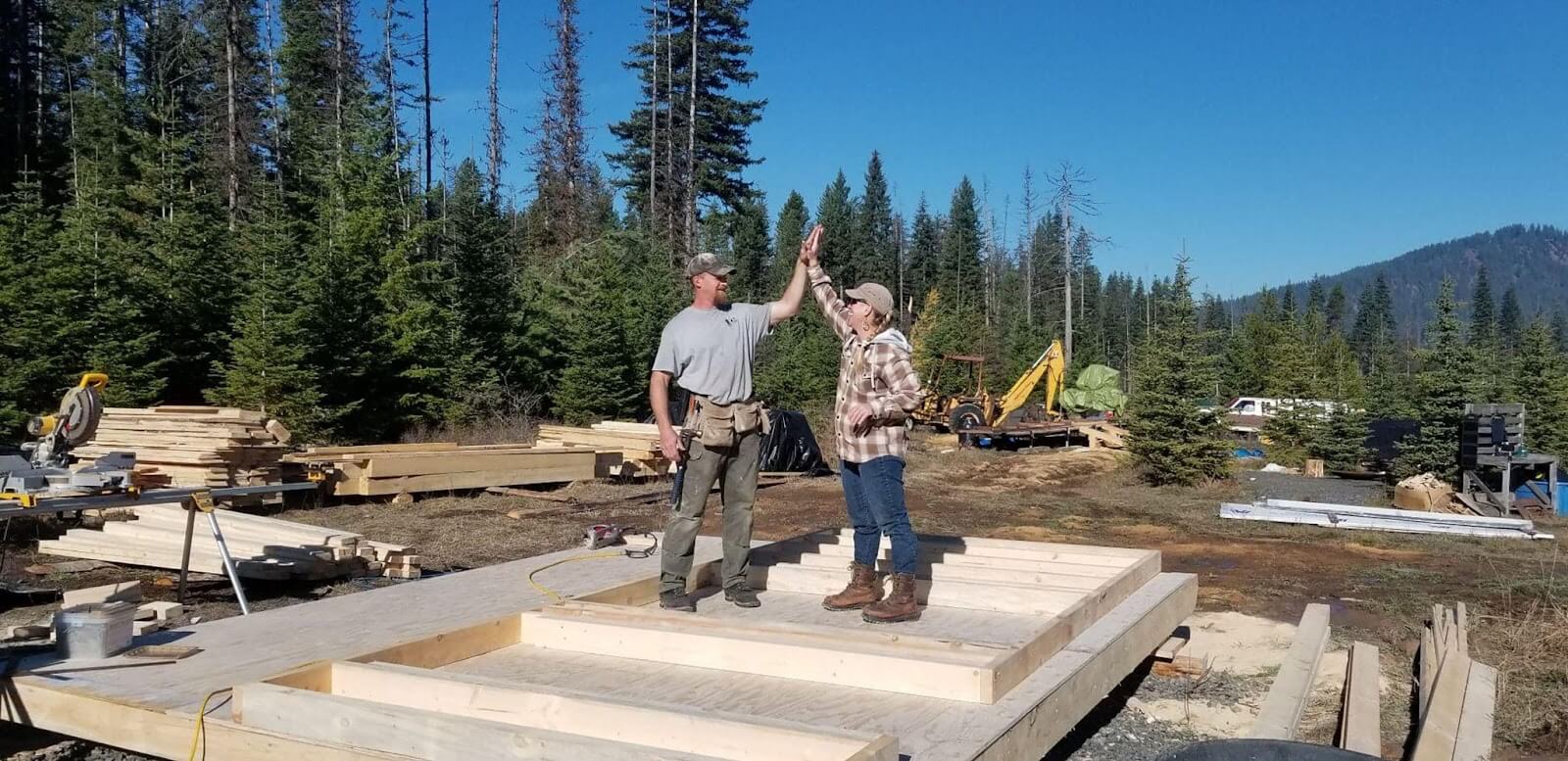
Living off the grid has been the most amazing experience and one that I will never be able to walk away from! It has brought such joy and freedom to my life — living off the grid has been everything we were seeking and more.
We embarked on our off-grid journey when it wasn’t well accepted and or considered glamorous, but we were determined. We pushed past the opposition and the skeptics to discover a life we treasure. With that being said, I would like to encourage you to embrace YOUR dreams and not worry about what ANYONE else has to say! The best parts of life are on the other side of YOUR comfort zone!
There are a lot of misconceptions that come along with off-grid living, and it is crucial to have an excellent foundation before embarking on such a journey. So, let’s dive into some of the things you’ll need to understand and consider before you begin!
How Solar Power & Alternative Energy Works
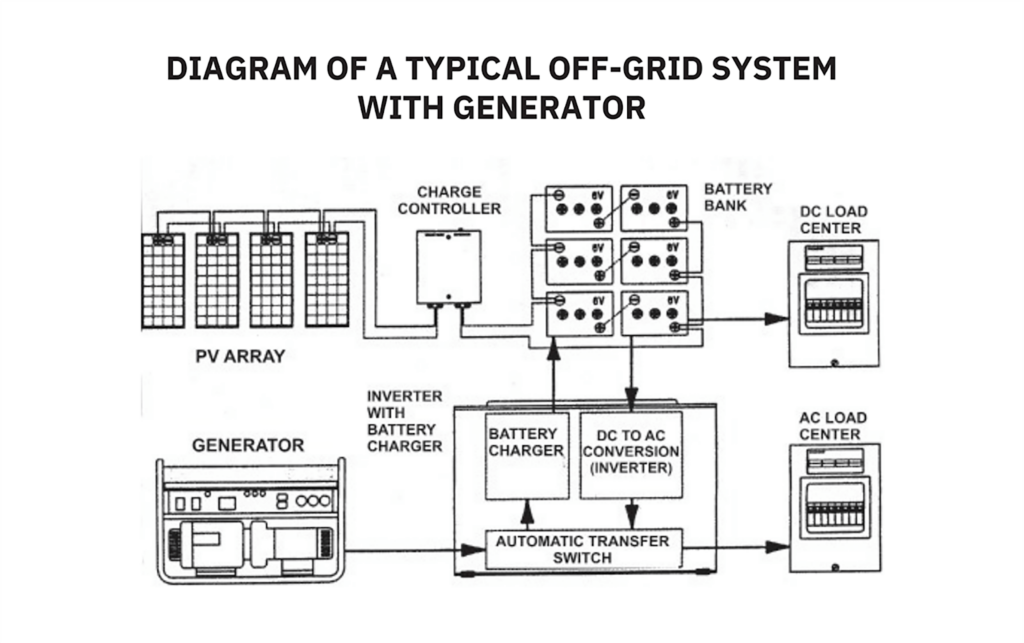
The sun shines on your solar panels to create electricity. That electricity travels through an exterior breaker box on larger systems as a safeguard to prevent an excessive surge from reaching the house. It then travels from the outer breaker box, into the house, and into a charge controller. The charge controller evaluates how full your battery bank is and will either allow the DC power to travel into the batteries to fully charge them or divert that power because the batteries are full. The charge controller is, in essence, protecting your batteries from an overcharge. The DC power then flows from the batteries into an inverter, where the DC power is then converted to AC power.
Once the power is converted to AC power, it flows into the breaker box of your home and powers your house just like power from the grid. As I write this, it is a gray winter day in Idaho, and I must say the sun is not only a renewable resource, but it is also renewing. Sunlight is a fantastic and free resource that we do not take for granted, and after years of homesteading, I’ve found that I am just as solar-powered as my home.
Wind and Hydroelectric power are other options in addition to solar power. All will work the same once the power is created and traveling toward the charge controller. Although I love our solar, if you have the opportunity to harness wind or hydro, these resources will provide you with power 24/7 (not just when the sun is shining). Wind and Hydro are the ultimate power resources if you can tap into them. You can also combine multiple forms of renewable energy such as solar and wind together, etc.
Choosing the right renewable energy system for you and your family is important and will be based on your standard power consumption and your power needs.
Backup Power – Generator
Many of you on the grid have a generator backup to power freezers, refrigerators, and possibly your well pump, in the event you lose power.
Owning a generator is crucial when you’re living off-grid, particularly when your primary power source is solar energy. It is important that you choose a generator suitable for the application.
An inverter generator is essential to run appliances like a washing machine or electronic equipment. Such equipment requires certain sine waves and has surge possibilities. It is wise to use surge-protected power strips with your appliances and electronics to eliminate troubles with surging. This also makes it easy to turn off your strips and stop unnecessary power consumption. If the generator is running to charge your batteries and you would like to run your washing machine, it is vital to have an inverter generator so that your appliances and the generator play better together. Otherwise, you will likely only be able to use your generator to power your batteries and not be able to run any appliances.
Honda generators are known for their stability, longevity, comparatively quiet function. We have a Honda EU7000IS. Just be sure you are purchasing an inverter generator, and be sure that it’s powerful enough wattage-wise to run your system.
Renewable Energy Maintenance
There is minimal maintenance involved with alternative energy options, but with anything, the better you take care of it, the longer it will last. If you have high winds in your area and solar panels set up, it is always good to ensure they are heavily secured and insured for all Mother Nature may throw their way.
There are different types of batteries on the market today. Lead-acid batteries require monthly maintenance of checking the fluids on the batteries. Keep in mind that lead-acid batteries will off-gas, meaning they will slowly leak chemicals into the air. Lead-acid batteries shouldn’t be stored in a living area, but in a utility room that is well ventilated.
AGM batteries require no maintenance and do not off-gas. They are a little more pricey, but in my opinion, they are the way to go for longevity. Lithium batteries are even more expensive, but they will last even longer than AGM batteries, so this will all depend on your budget.
Things To Consider Before Moving or Going Off-Grid
First and foremost, you must check with your state and local municipalities to be certain that it is legal to live off-grid. Second, you need to know if there are any specific guidelines you will need to follow.
You Don’t Necessarily Have To Move To Go Off-Grid
If your location meets state and county guidelines and your property is ideal for off-grid living, you could put alternative energy in place right where you are. You could also purchase a piece of property in your dream location, but you will need to keep a couple of things in mind for both scenarios. If you intend to use solar power, you will need good southern exposure to the sun. If you don’t have good exposure to the sun, solar will not work well for you.
If you intend to use hydro with a stream on your current or future property, the stream needs to have a particular grade, and it will require a necessary amount of pressure to provide you with ample power. This is something you should thoroughly evaluate before committing.
The same will apply to wind power. If you want to use a wind turbine in an area with little or no wind, that won’t be a viable option. If this is something you need assistance with, as well as choosing a system for yourself, we offer off-grid and homestead consulting on our website at TrayerWilderness.com/consulting.
Things To Know Before Going Off-Grid
During the day when the sun is shining, you basically have endless amounts of power. However, when the sun is off the solar panels, you will be receiving power only from what is stored in your battery bank. With that being said, it is essential to either be intentional with your power usage during such times, have a large battery bank, or be aware that you will drain your batteries and will need to use a generator to recharge your batteries. You will also have the added expense of fuel for your generator. We personally choose to live very frugally, so we are very mindful of our power consumption at all times to eliminate the expense of fuel. When there are too many gray days in a row, we need to use a generator, but under normal circumstances, we fair well by having adjusted to a frugal mindset.
So with that being said, here are some things to consider and evaluate. We use all LED lights in our house because they use way less power than a standard light bulb. When we leave a room, we turn out the lights and leave nothing on using power. We intentionally have very few electric appliances and have replaced many with hand crank alternatives such as our Arcade coffee grinder, Wondermill hand crank grain mill, and an antique hand mixer, to name a few.
It is essential to understand that anything that requires power and uses heat, such as a hairdryer, curling iron, toaster oven, crockpot, air popcorn popper, and clothes iron, requires extreme amounts of power. For example, a clothing iron uses 1200 watts of power regularly, and when you add the mist, it pulls 1800 watts. That is a LOT of power and will quickly drain your batteries. I would recommend purchasing a P3 P4400 Kill A Watt Electricity Usage Monitor or the like to evaluate your most power-consuming appliances. Well pumps, refrigerators, freezers, standard water heaters, electric clothes dryers, and any non-energy efficient appliance will pull large amounts of power.
We created a workaround for our water pump by hard-wiring it to a breaker. This enabled us to fill a 275-gallon holding tank in our utility room when the sun was shining or the generator was running. Our water was plumbed into the house using Pex piping, a 12v SHURFlo RV water pump, and a small solar system hookup to keep the 12v battery charged that was necessary to run the pump. This worked fabulously and offered excellent water pressure as well.
Our refrigerator and freezer run on propane. We purchased these appliances over a decade ago, and there are currently appliances with multi-power options, such as electric and propane. There are even solar-powered refrigerators.
We used an on-demand hot water heater that worked wonderfully.
We used an energy-efficient front-loading washing machine and purchased a gas front-loading dryer but never actually used the dryer. We got a pulley system wash line put in place that was the bomb!
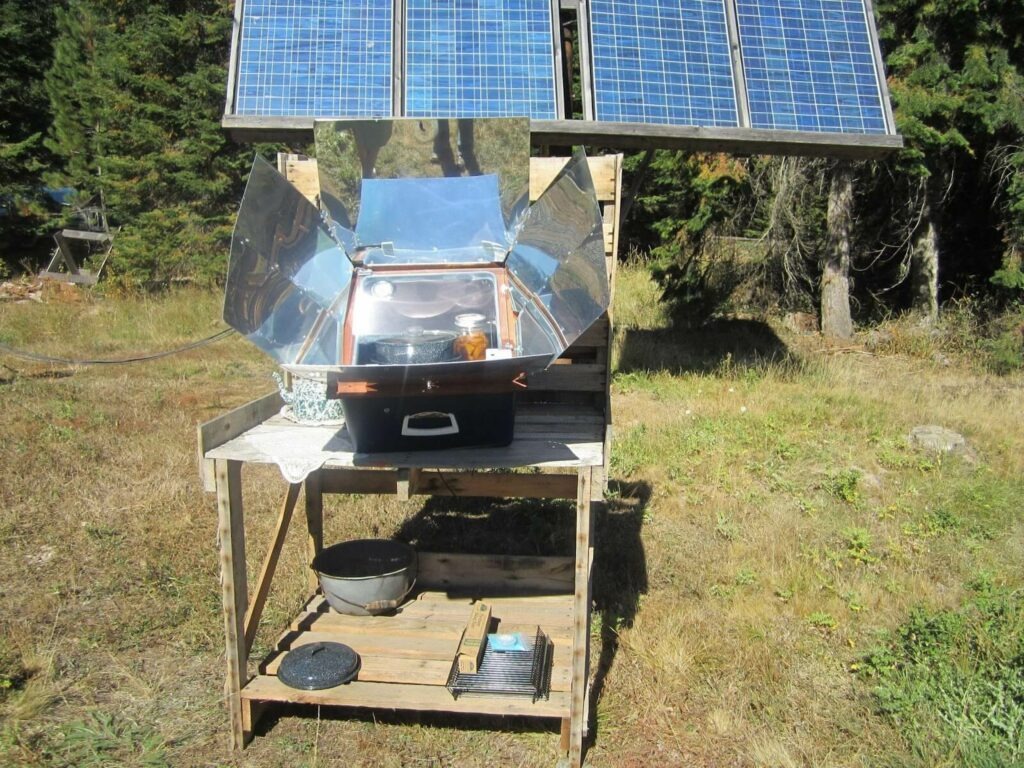
In place of the slow cooker or Instapot, I use a Sun Oven in the summer months and my wood cookstove in the winter months.
Expense Over Convenience or Convenience Over Expense — That Is The Question!
It will truly depend on how you wish to live and if you will want less expense over convenience. I enjoy having fewer expenses because that allows us to do more on our homestead and aids in our preparedness efforts. Not to mention, there is a lot to be said for a simplistic life. Less is truly more in my opinion.
Last Thoughts
If you choose to embark on an off-grid journey, my best advice is to do your homework and research, find people in the know to help guide you through, ask lots of questions, and enjoy the process.
My book How To Embrace An Off-Grid Lifestyle: Our Journey and A Step By Step Look At The Lifestyle may be helpful for you on your journey. You can also find an off-grid playlist on our Trayer Wilderness YouTube channel, and I welcome your questions and emails.
It is a very rewarding lifestyle with a lot of freedom, and as I said in the beginning, I couldn’t live any other way now that I have taken the plunge!

Leave a Reply