
Self-sufficiency is a tricky word. It sounds romantic, alluring even. It carries the promise of freedom from broken systems, spending our time and money how we want, and gaining more control over our family’s well-being and health. I’m all for the kinds of self-sufficiency that actually bring us more time, emotional well-being, and financial freedom.
But left unchecked, our efforts toward becoming “self-sufficient” can easily become a prison just as toxic, isolating, and draining as the systems from which we homesteaders are fleeing. The never-ending to-do lists, gardens that need weeding, harvests that need preserving, livestock that need tending… taking on too much, too quickly, or taking on/continuing in the *wrong* things can rob us of everything. Far too many would-be homesteaders burn themselves out and/or run out of money before they ever even taste the freedom they seek.
There are two main lies that early homesteaders seem all too eager to believe:
- Doing things yourself is always cheaper/better.
- Selling things = making money.
The first lie is homesteading is “cheaper” than city life. Dollar for dollar, if you stick it out for the long haul, you will likely end up saving money, but it takes a lot of time, learning, infrastructure, and often, money to get started.
Most first-time gardeners will tell you they learned heaps with their first garden, but if they actually accounted for all the time they spent on the garden — time obtaining planting materials, seeds, starts, trellises, etc — their first few tomatoes ended up costing a whole lot more than those they could have purchased at the grocery store.
And, after all the time, effort, and materials required to build a chicken coop (not to mention the brooder, heat lamps special waterers, and ALL THE FEED required to raise baby chicks to 6-month-old hens, ready to lay some eggs), those first few eggs were pretty pricey, too. The feeling of satisfaction and pride accompanying those first tomatoes and eggs is “priceless,” but keep track of those receipts and make note of the time you’re spending on these endeavors along the way because that information is going to be VERY helpful down the road when it’s time to decide whether to add more hens to the flock so you can sell eggs to the neighbors or whether it makes financial sense to take your tomatoes to the farmer’s market.
Time is money. We can trade our time working at a job so we can afford the convenience of purchasing tomatoes and eggs someone else took their time and effort to raise for us, or we can take our time building gardens and chicken coops, learning to raise veggies, care for our chickens, and we’ll no longer have to rely on those items being available on the grocery shelves.
If we are broke and our hours are more plentiful than our dollars, the latter option sounds fairly attractive. Ten years ago, when most of our food was coming from the food bank and there never seemed to be enough money for gas by the end of the week, I planted my first garden. I spent thousands of hours those first few years trying, failing and researching, and trying some more to grow nutrient-dense food. I learned a ton, but that learning wasn’t free.

I started baking bread and raised illegal chickens in the city. With zero chill, I spent the next eight years constantly scaling up my farming endeavors and eventually found myself on a 30-acre beef/dairy farm, completely burnt out. I tried to do it all, alone, while also working full time, (a lot of that time was spent working multiple jobs) to make ends meet. In the process, I nearly lost everything I’d worked so hard for so long to build because I Simply. Could Not. Do It. All. Alone. Anymore.
Far too often, homesteaders seem to forget time is our only non-renewable resource. As we establish ourselves and start producing more than we consume, we can easily fall into a dangerous thinking trap that severely undervalues our time and costly consumables required to grow/produce things on our homestead.
A friend of mine lives off-grid with a family of five. Even living extremely frugally, scavenging, upcycling, and recycling as many supplies and materials they need, growing their own food, and doing darn near everything else themselves too, they need to earn at least $38,000 to keep their farm and family afloat.
She says $50,000 would make life a LOT more comfortable, but they have chosen to try to earn their entire living on their homestead so they can spend more time together as a family. Even the savviest homesteader would have a hard time fully exiting the modern economic system, so money needs to be earned one way or another.
Property, farm goods, and, most everything we might need for the farm gets cheaper the more rural we go, but the farther we get from the city also means getting farther from a higher-paying customer base for farm wares and more opportunities for good-paying off-farm work. Rural internet typically isn’t great for remote working either.
With no mortgage or other debt, their budget goes to:
- Supplementary Groceries
- Propane
- Gas for generator and cars
- Car, Health, and Life insurance
- Internet
- Cell Phone
- House Phone
- Building infrastructure on the homestead
- That breaks down to needing to generate:
- $19.23 per hour
- $153.84 per day
- $769.23 per week
- $3,333.33 per month
There are many great resources on living frugally and setting yourself up for success if you plan to run a business through your farm. I highly recommend Joel Salatin’s book “You Can Farm,” and if you have debt you need to pay off before diving in, Dave Ramsay’s “Total Money Makeover” can be found at most any library.
I learned the hard way that selling my farm goods did not necessarily equal making money. There are tons of hidden costs in every endeavor. If we’re not accounting for them, or our time spent and compensating ourselves fairly for it, we are not making money, even if money is changing hands.
Selling eggs was a major eye-opener for me. Like many other homesteaders with a heart, I developed a chicken collecting habit early on. It was impossible to go to Tractor Supply and not come home with a few puffballs at least a few times a season.
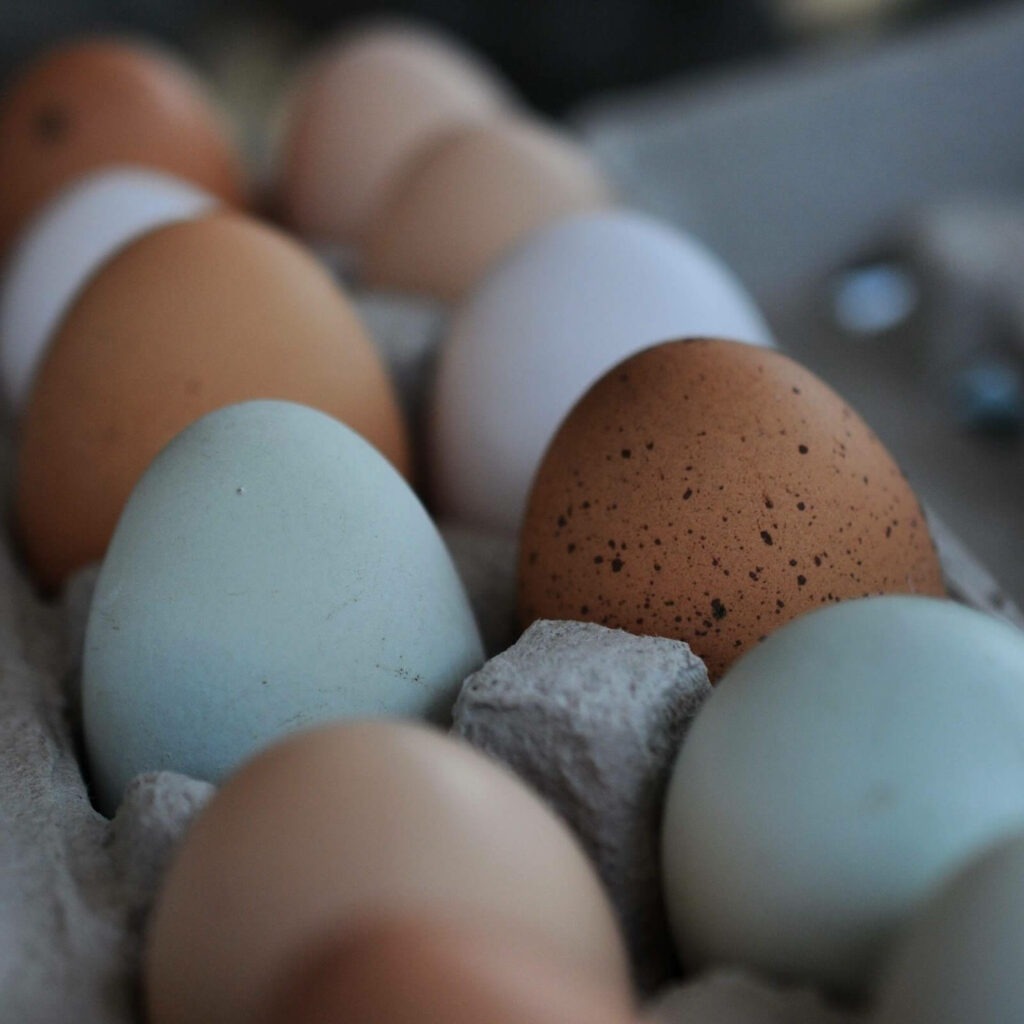
Eventually, this led to an extreme overabundance of eggs (and, incidentally, an astronomically high feed bill each month). I was selling eggs for $7 a dozen, which seemed like INSANELY good money, so, a few more chickens never seemed like a bad idea. But when I finally calculated out how much I was actually spending on chicks, feed, egg cartons, brooder supplies, as well as all the time, effort and energy spent raising the chicks to laying age, busting frozen waterers in the winter, collecting eggs, cleaning coops, stopping to chat with neighbors when they picked up their eggs, etc, I realized I would actually have to start selling my eggs for $9 a dozen just to break even, and even that put me making less than minimum wage as a chicken keeper.
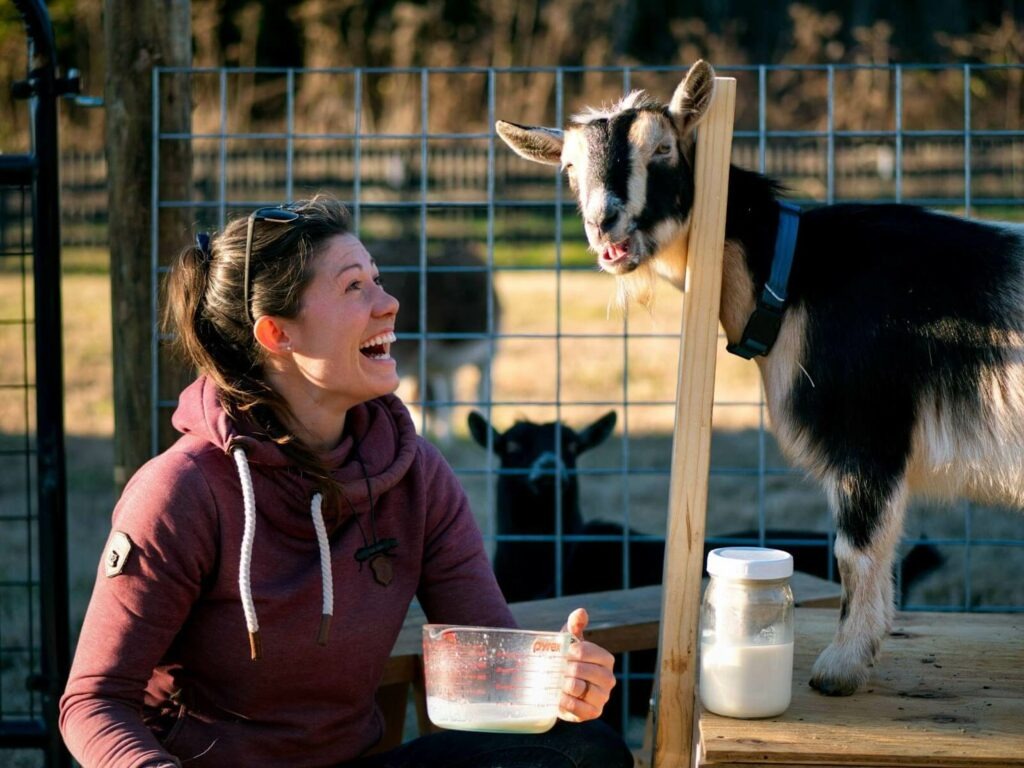
Incidentally, I really, really hate cleaning chicken coops, so at $7 a dozen, I was literally paying my neighbors for the opportunity to do one of my least favorite things, way more often than I needed to be because I had way more birds than I should have had. Goodbye egg “business.” A similar decision matrix helped me determine that my cow dairy/beef endeavors were worth investing in, while my goat dairy work needed to shrink significantly.
I’d like to give you permission to *not* do it all. Take a real, honest inventory of what you’ve got going on. Think and dream aboutwhere you’d like your life to be by the end of next year. And in the next five years. Press pause on the daily grind long enough to really look at the data:
- How are you spending your time each day, what do the things you’re producing actually save/cost you to produce (both time and money-wise)?
- Is that savings/are those earnings worth the outlaying of time, effort, and infrastructure development?
- Where is the greatest value in what you have to offer?
- What things are you doing that are life-giving?
- What things are most draining?
I give you permission to stop pouring time, money, energy, and your limited emotional capacity into endeavors that aren’t serving you, your family, or your long-term goals. To cut your losses and let go of your sunk-cost biases. If you can convince yourself to slow down long enough to collect some data and get in the habit of regularly reviewing it, you’ll create the ammo you need to make informed decisions that have the potential to buy back hundreds if not thousands of hours over the next couple of years.
Getting a handle on how I was spending my time each day helped me compress an 80-hour workweek into just under 40 hours. Taking this time to analyze helped me eliminate things that drained my emotional capacity. As a result, I was able to develop systems that better served me, my business, and my farm.
That data gave me the emotional permission I needed to cut my losses with certain endeavors and finally invest in expensive infrastructure here on the farm that will save me thousands of hours ($$) over the course of their lifetimes, remove huge stress points from my daily life, and help restore the excitement and creative vision I’d lost sight of. This assessment helped me recover from the extreme burnout and depression I experienced while frantically chasing the dream of “freedom” without a solid plan as to how I’d actually attain it.
So, my friends, I’ll leave you with this:
I have made the regular habit this past year of asking myself the following questions about every endeavor I undertake on the farm: “is this [still] fun? Why/Why not? Is this better, more of the time, than something else I could be doing with the very limited time I have available?”
“Self-Sufficiency” does not necessarily mean doing literally everything ourselves, and Pinterest’s city-dweller-to-farmer prescription is not for everyone. Chickens → raised beds → sourdough aficionado → bee keeper → flour mill → canning and preserving → meat rabbits → goats → soaps & herbalism → goodbye city → cows → pigs → regenerative agriculture → fiber → cheese → meat curing → wood stove only → fully off-grid → my goodness it’s exhausting just typing this list.
Congratulations, you have achieved “freedom,” but you’ve spent your entire retirement on vet bills, you’ve broken your body, and you can never take a vacation again because the cow needs to be milked twice a day, the fences need to be fixed, the tractor has a flat tire and the barn roof just sprung a leak.
Just because other homesteaders are doing it, doesn’t mean you need to do it, too. In fact, if you know other homesteaders, approach them! Hang out at the feed store, go to a farm auction, introduce yourself and ask lots of questions. Find ways to collaborate: ask them to teach you, barter with them, just plain buy their stuff and support their endeavors the way you’d love to see others support yours. Unless, of course, you realize you love doing it, you’ve got a clear picture of the time, effort, and money required to do the thing yourself and you know, by doing it, you can save/generate enough money to “buy back” some of your precious time for other things that are important to you.
We chose this way of life to create freedom, not to burden ourselves until we break. I truly believe humans were created to live in community, joyfully pursuing work that gives purpose and fulfillment. Life is a gift, not a punishment, so let’s work together and make this one life we get a joyful endeavor, shall we?


Leave a Reply