
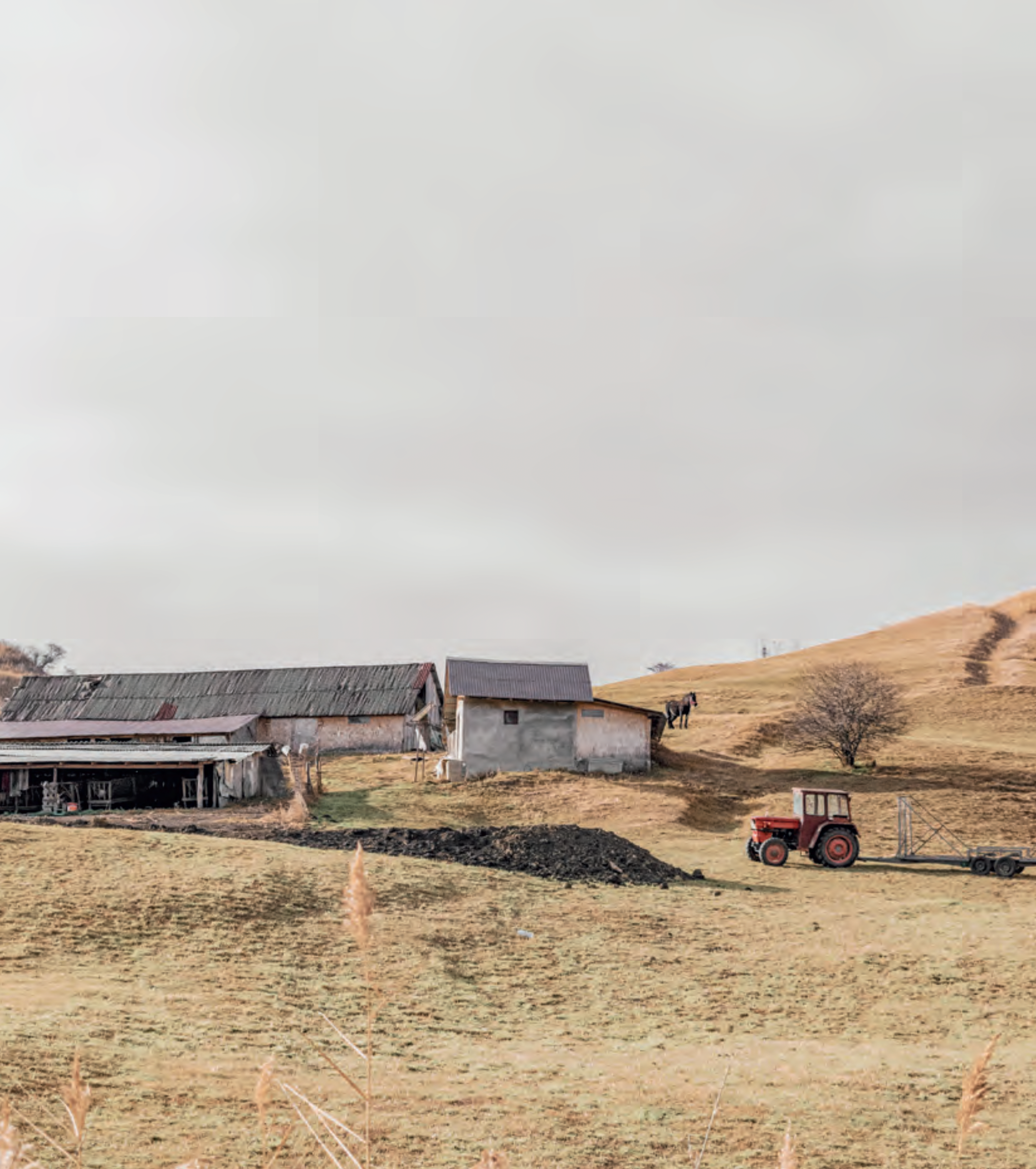
Homesteading is undeniably nostalgic—For many, the idea of wholesome, intentional living, connected more to the land than to our electronic devices, evokes a sense of rediscovered heritage and renewed purpose. But not everyone shares our passion for composted manure, crowing roosters, and happy pigs wallowing in the mud. And nothing dampens a homesteader’s enthusiasm and commitment faster than a cranky neighbor or government official decrying their “illegal” activities while threatening lawsuits and fines.
Some dissenters openly defy the law, as though busybodies and regulators will grow tired of their stubbornness and just leave them alone. But as much as we may want to, we can’t overlook centuries of societal and legal change and pretend to live in the past. This is a naive approach that invariably leads to further conflict, frustrations, and setbacks. Private disputes grow bitter and costly, while governments tighten rules and enforcement tactics until the rebels surrender.
Modern laws and regulations aren’t necessarily bad things, though. Yes, they can limit us. But they can also protect us from the arbitrary whims and peddling of others, and require everyone to play by the same rules. Bad laws do exist, but thankfully we can change or repeal them, and enact better ones. There are certainly fights to pick with nosy neighbors and partisan legislators, but understanding their limitations and the legal framework of modern society is the first step to our success, not rejecting the rules and hoping they’ll go away.
We cannot live by axioms like “Ignorance is bliss,” and “It’s better to ask for forgiveness than for permission.” Ignorance of the law has never been a viable excuse. And forgiveness isn’t always painless. A far better creed is “Knowledge is power.” So, before you go “hog wild” on your homestead, it’s important to consider the modern legal implications of your pursuits, and explore the best ways to achieve your goals with the least possible legal hassle.
The Land You Homestead On Matters
Homesteading isn’t much without land. You don’t need a lot of it, but growing food and raising animals still requires space. However, most land in the United States and Canada is subject to private and public land use restrictions, municipal planning and zoning ordinances, building codes and special regulations, any of which can limit the way we use our land.
The scope of these limitations depends largely on where you live and whether your state and local governments promote agricultural endeavors or not. Adding a business can further complicate matters. Understanding these factors can help you make a better choice about where to homestead, or it can enable you to carve out a successful niche in a restricted environment.
Private Land Use Restrictions
It’s important to conduct thorough deed and title searches before buying any land—and even if you already own the land—to better understand whether your activities could trigger potential legal issues with your neighbors. For example, subdivided residential properties frequently carry restrictions intended to preserve the intended land use or prevent devaluation over time. These limitations are called “deed restrictions,” “restrictive covenants,” or, more commonly, “covenants, conditions, and restrictions” (CC&R’s).
These restrictions are private, legally-enforceable agreements made between sellers, buyers, and all subsequent owners of the subdivided land, often forbidding agricultural or commercial use like keeping animals, poultry or livestock, or operating a home business. Such terms can burden the land with easements (the legal right of others to enter and use the property for specific purposes), and even subject it to the invasive oversight and added cost of the dreaded homeowner’s association (HOA).
Not all restrictions interfere with homesteading though. A few are actually useful, like preventing your neighbors from operating a junkyard, or entitling you to water from the local irrigation district. You can also lawfully ignore some terms, and if necessary, challenge others in court. Knowing how to properly handle these private restrictions, however, requires you to start by knowing whether they exist in the first place, and exactly what they stipulate.
Subdivision and deed records are generally available at your local county clerk or registrar/recorder’s office, but title search companies can speed up the process considerably. Since title searches are normally conducted for each sale of the property, you can approach the title company or realtor directly to request a copy of any deed restrictions and covenants, which they are required to disclose to potential buyers.
Paper Records Vs. Reality
It is equally important to know the physical state of your land. Paper records don’t always match reality on the ground anymore. Trees may have been cut down, landmarks and waterways may have eroded, old fences may have collapsed… For a modest fee, a land surveyor will clearly mark property lines and identify corner monuments to resolve potential boundary or ownership disputes, and reveal any active encroachments on your land that need to be addressed.
A recorded survey can correct any discrepancies or errors found in the prior deeds and maps, before they become legal headaches for you later on. You can then plan and build with confidence.
Public Land Use Restrictions
Most counties also place land use restrictions on private land. These “planning and zoning” maps and ordinances (usually accessible online), indicate the assigned zoning classification of each parcel and explain its allowable uses. Zoning can be changed but is generally tied to the historical use of the land and the surrounding properties.
One zone may allow you to keep up to 25 chickens on every lot. Another may limit cows to rural parcels over 5 acres. Beekeeping may be limited to specific zoning, with added registration and insurance requirements. An ordinance may list setback and height restrictions for animal shelters or fencing built along property lines, with specific fines for violations or escaped animals. In my county, there’s even a limit to the number of trees and bushes you can remove, for erosion control purposes. After determining your zoning classification, a thorough read-through of the relevant zoning ordinance can tell you a lot about your options, even before you start.
Unless the activity exceeds specified limits, zoning ordinances don’t usually require county approval. If you must inform officials of your plans though, it can be helpful to approach them with theoretical inquiries first, rather than firm plans—ie. “Here is what I am interested in doing. Can you help me understand the zoning limitations for this property and what my options are?”
They are generally glad to review the ordinances and discuss the possibilities with you. Just remember they aren’t stupid and can still drive by your land to make sure you aren’t skirting the law even after consulting them.
If you’re building a residential dwelling of any size, or installing structures with concrete foundations, septic systems, utility connections, electricity, or access roads, it’s a safe bet that you’ll need to obtain planning approval and building permits, pay development fees, and complete inspections in full compliance with local building codes and construction standards. Failure to comply with zoning and building regulations can prevent you from occupying, insuring, or selling your property, and can even result in administrative orders to vacate or tear down non-compliant structures at your own cost.
For more complicated issues, you can find a reputable planning and zoning attorney in your area who can interpret these ordinances for you and help resolve any problems that arise.
Special Regulatory Issues
Special state and federal regulations may also apply to your property. Some states limit surface water access and well drilling, with costly permits, licenses, and regular inspections required. For example, it’s illegal to build ponds or capture rainwater from your own roof in several places. Environmental and water quality agencies can even prevent you from plowing fields too deeply, or developing your land entirely, with millions of dollars in fines levied for non-compliance.
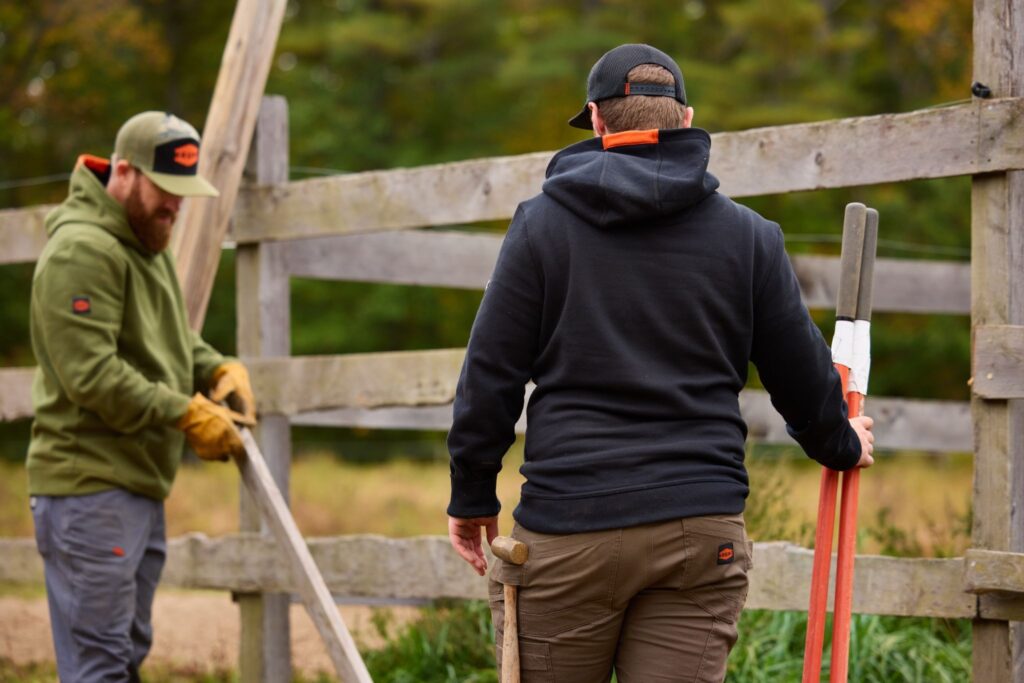
Many Western U.S. states also have “’open range” laws requiring small landowners to build specific types of fences to keep free-range cattle or horses out of their property; the inverse of the “fence-in” requirements of many Eastern states. If you don’t, livestock owners can’t be held liable for any damage to your property, and you could be sued or criminally prosecuted for cattle rustling if you capture or injure their animals on your land.
Business Considerations
Few people recognize the legal challenges of starting a new business, particularly when selling animal and food products. Few homesteaders even know what questions to ask first.
Do you need a specific business or trade license? Should you incorporate your business? Can you hire employees? Are you required to collect and remit sales tax?
Do cottage food laws or do commercial kitchen regulations apply? What food safety and labeling standards exist? Are nursery licenses required to sell vegetable seedlings? Can you sell live animals, home-butchered meat, fertile eggs, or raw dairy to customers without additional licensing and inspection? Are agricultural quarantine orders active in your area?
Can you sell products online and ship them out-of-state? How must you manage and protect customer data? What insurance will you need? Must you allow inspectors onto your property?
A complete discussion exceeds this article, but it is essential to explore the full scope of these issues and educate yourself before starting a business.
Closing Thoughts
You will undoubtedly face legal restrictions as a homesteader. Sometimes the rules are minimal; other times, they aren’t. The key to homesteading success is working within the system to minimize its impact on you, or adapt to function within the set limits. Not all rules are bad though, and if we learn to successfully navigate them, they can actually make homesteading better for us than it was for our great-grandparents, even back in “the good old days.”
Legal Disclaimer
Being that this is an article about the law, it only makes sense that there should be a legal disclaimer to accompany it! So here it is: This article is for educational and entertainment purposes only. It does not constitute business or legal advice, solicitation, or legal advertising, nor does it create an attorney-client relationship. For legal advice or representation, always consult a licensed attorney in your state who is knowledgeable about the facts and legal issues in question.

Leave a Reply