

Nothing says “fall” quite like the aroma of warm, spiced baked goods fresh from the oven. Apple pie, pumpkin muffins, and cinnamon rolls bring with them the unmistakable scent and flavor of autumn.
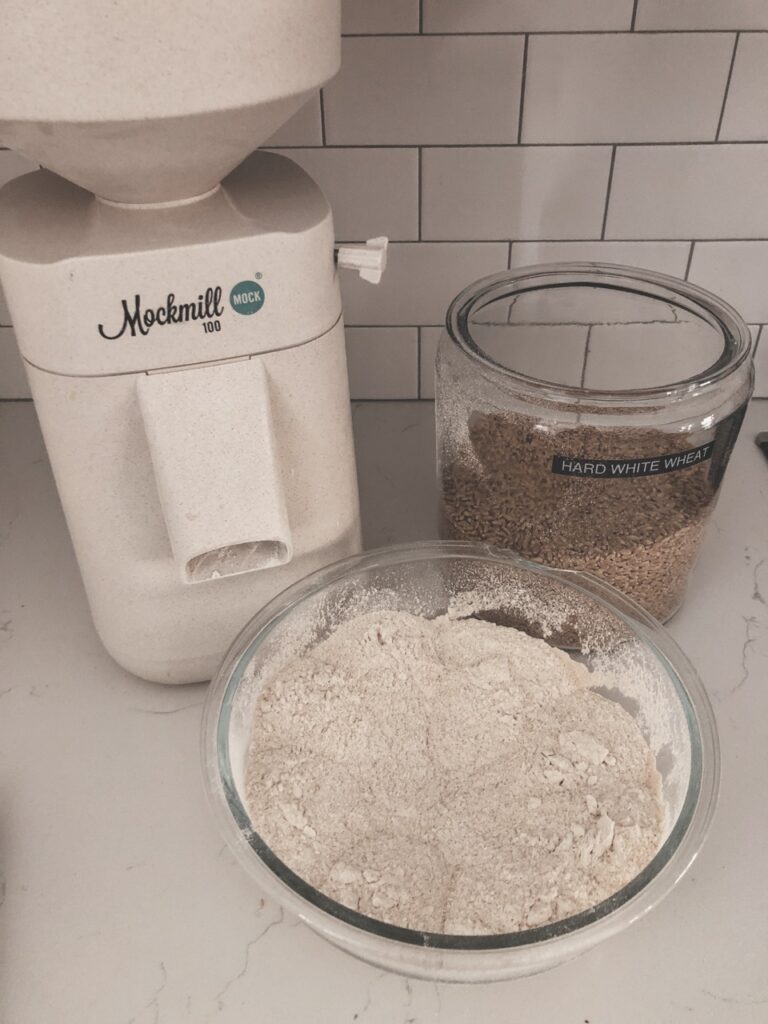
But while fall is the time of year to indulge in comfort foods, we still want those foods to be as healthy and nourishing as possible. As homesteaders, we often question the health benefits—or negative impacts—of the ingredients in our food. Flour should be no exception. Today in America, processed commercial flour remains the most popular choice for baking, but it lacks much of its original nutrition. Freshly milled flour, on the other hand, is a powerhouse of nutrients, retaining every part of the grain.
Each grain seed contains four main parts: the chaff (the dry outer membrane), the bran (the protective coat rich in B vitamins, iron, and fiber), the endosperm (the white portion made mostly of protein and starch), and the germ (the most nutrient-dense part, where new life begins). Historically, people would take their whole grains to the local miller and have them ground into flour. The resulting freshly milled flour was taken home to be used immediately.
In the late 19th century, however, steel rolling mills transformed the flour industry—and along with it, human nutrition and health. These new mills used metal rollers to crush the grains and then sifted away nearly all of the bran and germ. Flour companies had discovered that the oil in the germ caused flour to go rancid. By removing this part of the grain, the flour became shelf stable, which meant it could be shipped farther and stored longer—ultimately increasing profits.
While at first this may have seemed like a “brilliant new invention,” people soon began to get very sick. Three diseases in particular became widespread: pellagra, anemia, and beriberi. The cause was eventually traced to the decreased consumption of iron and B vitamins lost during the milling process when the bran and germ were removed. The government eventually mandated that flour companies “enrich” their product with three B vitamins (niacin, riboflavin, and thiamine) as well as iron. Folic acid was later added after a rise in birth defects over more than 50 years.
Although these five nutrients were added back to processed flour, more than 30 nutrients were lost when the bran and germ were removed. Whole grains are packed with vitamins, minerals, fatty acids, and fiber. Our bodies need these nutrients to help prevent constipation, obesity, diabetes, heart disease, and cancer, while also providing complex carbohydrates that support a healthy balance of gut bacteria.
What kind of world allows flour to be stripped of nearly all its nutrients, have the bare minimum added back, and still be called “enriched”? Sadly, a world that’s hungry for profit but starved for real nutrition.
Fortunately, there is a healthier way forward in baking if we return to the way nature intended. Using a home grain mill—or even a high-powered blender—you can grind whole grains into freshly milled flour that is nutrient-dense and perfect for all your baked goods.
Choosing the Right Grains
It’s important to understand which grains work best for each recipe, as flour is typically the most important ingredient in baking. Different grains vary in texture, flavor, protein content (which affects rising capacity), and gluten structure. Gluten forms when the proteins in flour are mixed with water. Yeast is then added, producing carbon dioxide gas that gets trapped in the gluten, causing the bread to rise.
Because of its high protein content, hard wheat is the perfect choice for yeast breads. Some ancient grains—such as emmer, khorasan (Kamut), einkorn, and spelt—also work well for bread loaves and muffins.
For cookies, pie crusts, brownies, biscuits, and cakes, it’s best to use soft wheat (also called pastry flour). Soft wheat has less protein, which results in less gluten. Less gluten results in a more tender, flaky crust or moist, delicate crumb. You can also use spelt or even barley for these types of baked goods.
Freshly milled flour also imparts a richer, more complex flavor. Some grains, like hard red wheat, have a stronger, “nuttier” flavor, while white wheat is milder and more subtle.
Substituting Freshly Milled Flour for Commercially Processed Flour
If you’re looking to make the switch to fresh milled flour, it’s also important to know which grains are the best substitutes for each type of store-bought flour. The most common commercial flours include all-purpose, pastry or cake flour, bread flour, and self-rising flour. Generally speaking, freshly milled flours are thirstier than commercial flours, so you may need to use about three tablespoons less of freshly milled flour for each cup of commercially processed flour called for in a recipe. That said, I’ve had great success using a 1:1 substitution of all-purpose flour with freshly milled hard wheat flour in many recipes, including muffins and quick breads.
Here are some basic guidelines when substituting freshly milled flour in recipes:
All-Purpose Flour
In bread, loaf, and muffin recipes that call for all-purpose flour, use freshly milled hard wheat or a combination of hard wheat, khorasan (Kamut), and spelt.
Bread Flour
Bread flour has the highest gluten content of all commercially made flours. You can substitute freshly milled hard white or red wheat, or a combination of both.
Pastry Flour
Pastry flour is typically made from soft wheat and is ideal for cookies, pies, cakes, brownies, and biscuits. You can substitute freshly milled soft wheat or spelt to achieve similar results.
Cake Flour
Cake flour has a silky texture and is made from soft wheat with the bran and germ sifted out. In the past, people would sift their own flour to make cakes that were lighter in texture. Freshly milled soft white wheat is the best substitute for cake flour.
Self-Rising Flour
Self-rising flour is commercially made by adding salt and leavening to all-purpose flour, which eliminates the need to add leavening agents in the recipe. To substitute freshly milled flour, use 1 1/4 cups of freshly milled soft wheat or spelt flour, 1 1/2 teaspoons baking powder, and 1/2 teaspoon salt for every 1 cup of self-rising flour.
If the recipe calls for an acidic liquid (like vinegar or buttermilk), use 1 1/4 cups freshly milled soft wheat or spelt flour, 1 teaspoon baking powder, 1/2 teaspoon salt, and 1/2 teaspoon baking soda for every 1 cup of self-rising flour.
Tips for Working With Freshly Milled Flour
- Due to the oils being present in freshly milled flour, it’s best to use it the same day it is milled. Any leftover flour can be stored in the freezer for 3 to 6 months, but for optimal nutrient retention, use it as fresh as possible.
- For breads that require more gluten development, try soaking the freshly milled grains in the liquid called for in the recipe before continuing. This technique, known as the “sponge method,” allows the flour to fully hydrate and helps develop the gluten strands, which can greatly improve the rising capability of denser breads.
- Purchase grains in bulk and store them in five-gallon buckets for easy access and an abundant supply of grains at the ready.
- When substituting freshly milled wheat for commercial flour, start by using three tablespoons less of the freshly milled flour per cup of commercial flour that’s called for in the recipe. If you find the dough is too wet, add more flour, one tablespoon at a time. If you find it’s too dry, add more water, one tablespoon at a time.
- If you are not measuring your flour by weight (1 pound wheat berries = 1 pound freshly milled wheat flour), then know that 1 cup of wheat berries yields about 1 1/4 cups of freshly milled wheat flour.
- Vital wheat gluten can also be added in small amounts to dough to provide extra gluten, which is particularly helpful when making breads with lower-protein grains such as spelt or khorasan (Kamut), as well as some varieties of wheat.
Now that you understand the benefits of using freshly milled flour and how to choose the right grains for each recipe, it’s time to put that knowledge into practice. The recipes that follow celebrate the flavors of fall while highlighting the richness and nutrition of freshly milled grains. From classic pecan pie to comforting apple cobbler, these recipes are perfect for gathering around the table and enjoying the season’s bounty!
Recipes
Grammy’s Pecan Pie
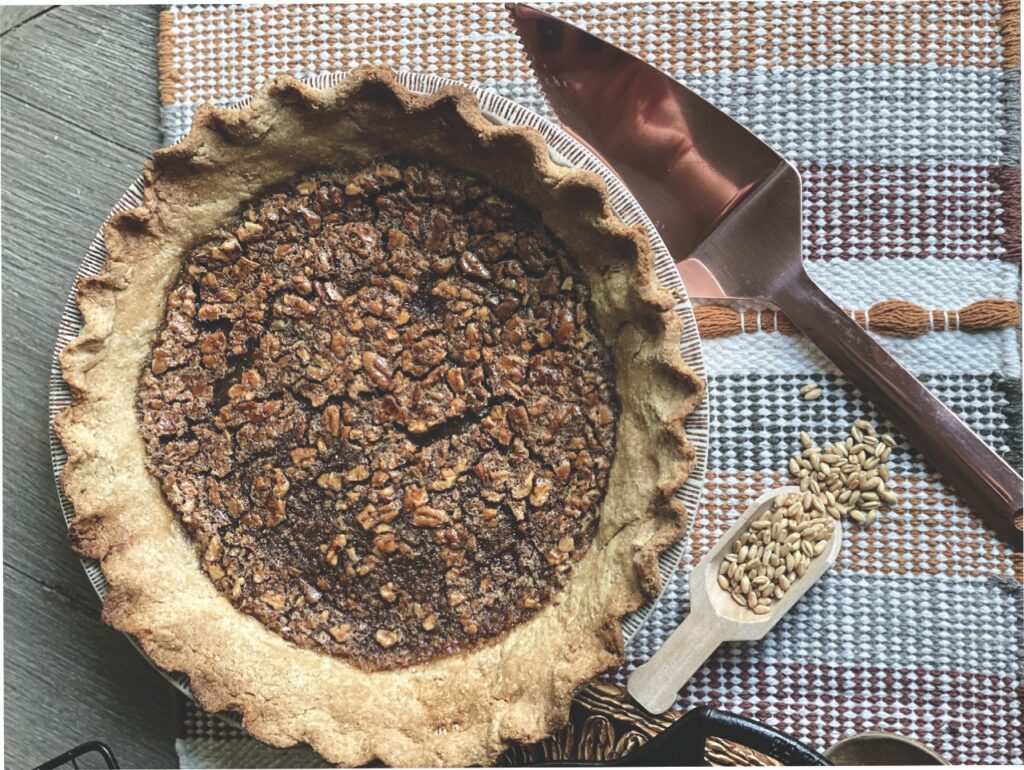
Pecans are a classic Southern ingredient in fall baking. My Grammy was the best baker in the family and loved to spoil us with her delicious creations. She used this pie recipe every holiday season, spreading her desserts across the kitchen butcher block. The gooey, caramel-like filling is the perfect compliment to the delicious crispy pie crust base. The key to a great crust is keeping all the dough ingredients very cold. This recipe makes two pies—perfect for enjoying one and giving one away (or indulging in both!). Serve warm, and top with ice cream or fresh whipped cream for an extra-special treat.
Whole Wheat Pumpkin Bread with Oat Streusel
A quintessential fall bake, this delicious and nutritious pumpkin bread can be enjoyed any time of day! It’s perfect with a hot cup of morning coffee, as an afternoon tea-time treat, or even as a post-dinner dessert. The nutty flavor of freshly milled wheat flour, combined with warm spices and the rich taste of pumpkin, makes this bread loaf a perfect addition to your fall table.
Whole Wheat Apple Cobbler Recipe
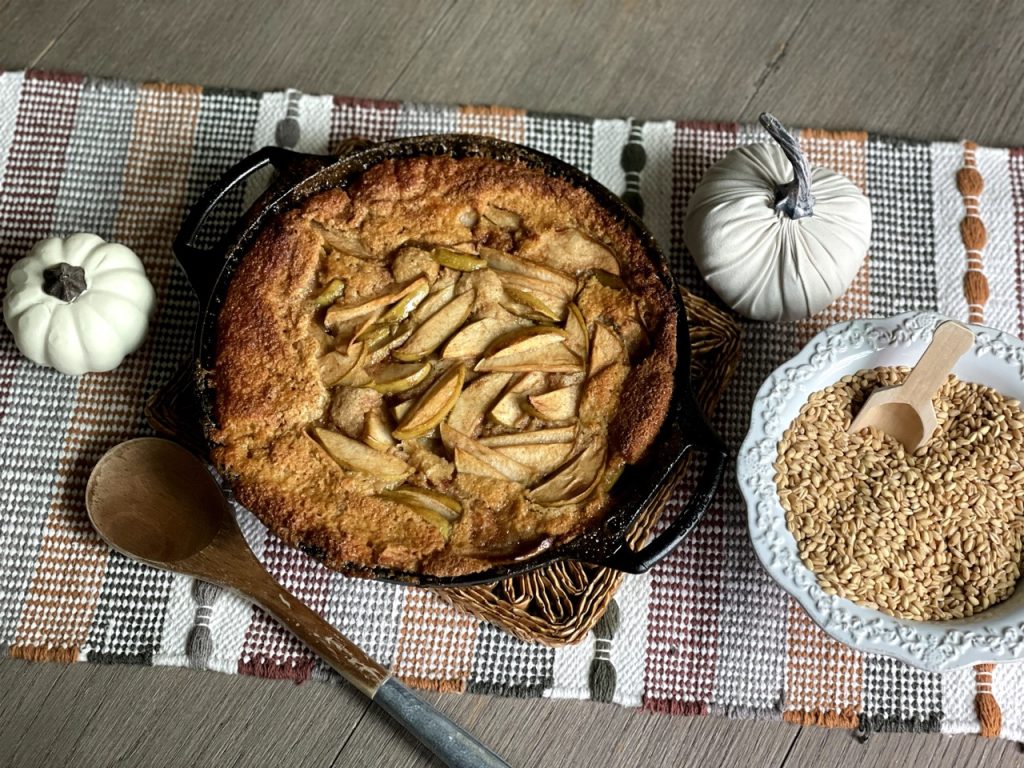
This apple cobbler is a simple, versatile recipe that can be adapted to whatever seasonal fruit and spices you have on hand. In the summer, swap the apples for fresh blackberries, blueberries, peaches, or raspberries. For a gluten-free version, use oat flour in place of the wheat flour. To make it dairy-free, substitute coconut oil for the butter and your favorite nondairy milk in place of the milk. Serve warm with a scoop of vanilla ice cream, or try a dollop of whipped cream flavored with a splash of almond extract for an irresistible finish.






Leave a Reply