
There’s fungus among us!
Fungi are everywhere—in the ground, air, and on and inside plants, animals, and humans. They are neither plant nor animal but belong to their own unique kingdom. This distinction is one of the many remarkable qualities of fungi. They provide countless benefits, including helping plants communicate with one another. As some of the best natural composters, fungi play a crucial role in connecting the earth and all life upon it. We literally could not live if all the fungi on the earth were destroyed. Fungal networks connect and communicate with nature.
Mushrooms are the fruiting bodies of fungi. There are many different types of mushrooms to explore (and some to avoid at all costs). Some are culinary delicacies, others are psychoactive, and some are deadly poisonous. And then there are medicinal mushrooms, which we’ll explore in this article.
Even within the world of medicinal mushrooms, variance exists. Due to space constraints, I will focus primarily on polypore mushrooms in the paragraphs that follow.
What Are Polypore Mushrooms?
Generally speaking, polypore mushrooms such as reishi (Ganoderma lucidum), artist’s conk (Ganoderma applanatum), turkey tail (Trametes versicolor), and chaga (Inonotus obliquus) bring amazing medicine to the apothecary table.
Polypore mushrooms have pores instead of gills. The pores hold and release the mushroom spores via gravity, wind, and rain. To note, chaga is not a polypore but begged to be included. Who am I to say no?
Another important thing to note is that mushrooms are the fruiting bodies of fungi. The bulk of the entity grows underground or in and under bark. The bulk is called mycelium and works like neural pathways to sense, react, and link to other mycelium to form dense mats. The mycelia of the fungi is generally what the commercial industry makes medicine from, not the fruiting body (mushroom). Normally grown on a grain, that grain will be in the finished product—buyer beware, as those with allergies or sensitivities to certain grains may be affected! Using the fruiting body creates a more powerful medicine.
Mushrooms that grow on trees absorb both the medicinal properties and energetic qualities of the tree. In this article, you may notice similarities among polypore mushrooms as they often contain some of the same beneficial phytochemicals.
Some of the medicinal properties of these mushrooms include:
- Immune-modulating
- Antiviral
- Anti-inflammatory
- Liver-protective
- Heart-protective
- Gut-healing
- Styptic (helps stop bleeding)
- Anti-tumor
Let’s look at each of these mushrooms in more detail.
Reishi
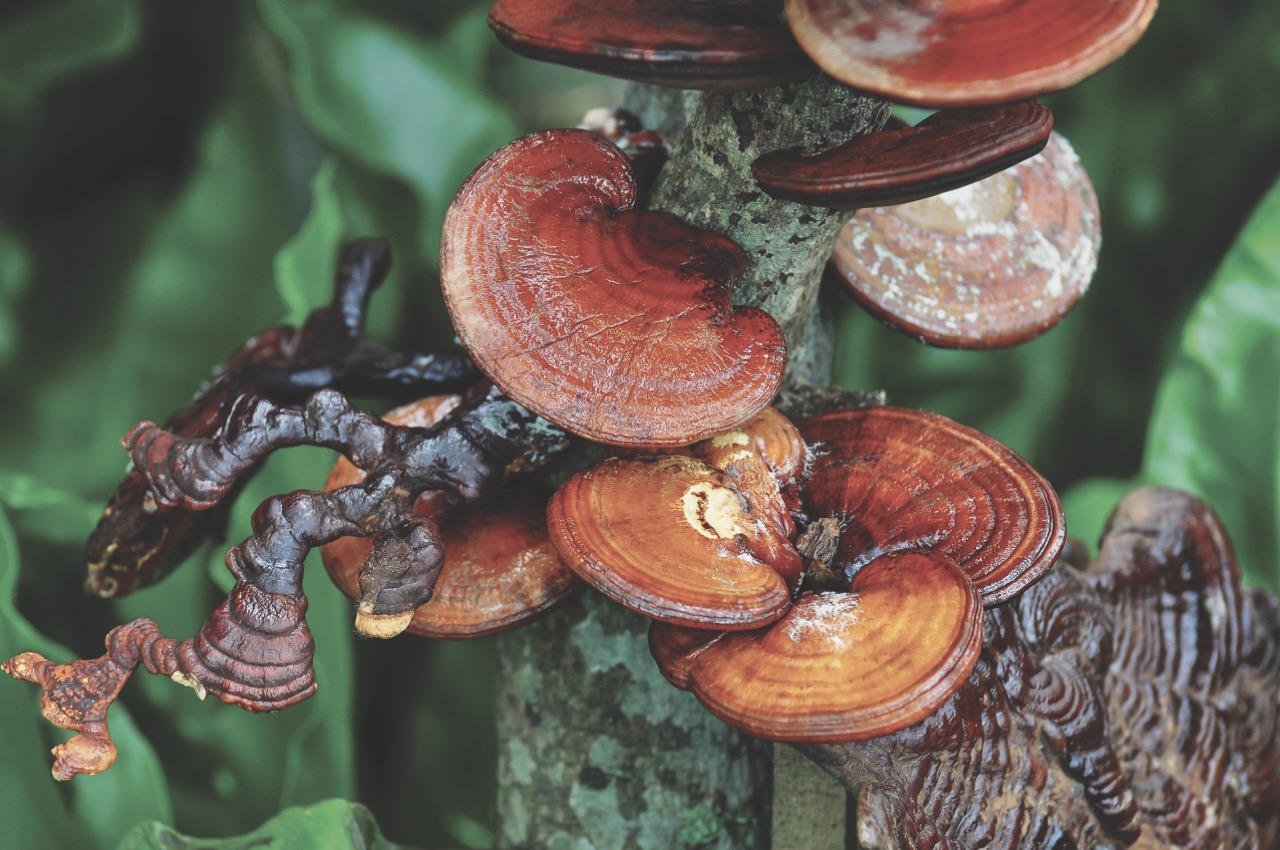
One of the most commonly known polypores is reishi (Ganoderma lucidum). One of its identifiers is that it has a “neck.” Lucidum means shiny. The top of the reishi shows that quite smashingly. Reishi is found in Asia, however, I’ve been hearing of sightings on the west coast as people may be populating the forests with their spores. That’s interesting and not always wise as it can upset the natural balance of the native forests.
Reishi is called the “King of Mushrooms” due to its many healing attributes.
Medicinal properties and therapeutic actions of reishi:
- Helps calm stress and anxiety
- Supports immune and respiratory health
- Helps balance blood sugar levels
- Promotes restful sleep; sedative due to volatile components
- Enhances wound healing
- Anti-HIV
- Antibacterial (effective against S. aureus and Bacillus subtilis, which are found in soil and the gastrointestinal tracts of ruminants and humans)
- Anti-influenza
- Cardioprotective
- Anti-tumor (blocks nutrient and oxygen supply to tumors via anti-angiogenesis)
- Protects against sun damage
- Warming energetic tonic
Artist’s Conk
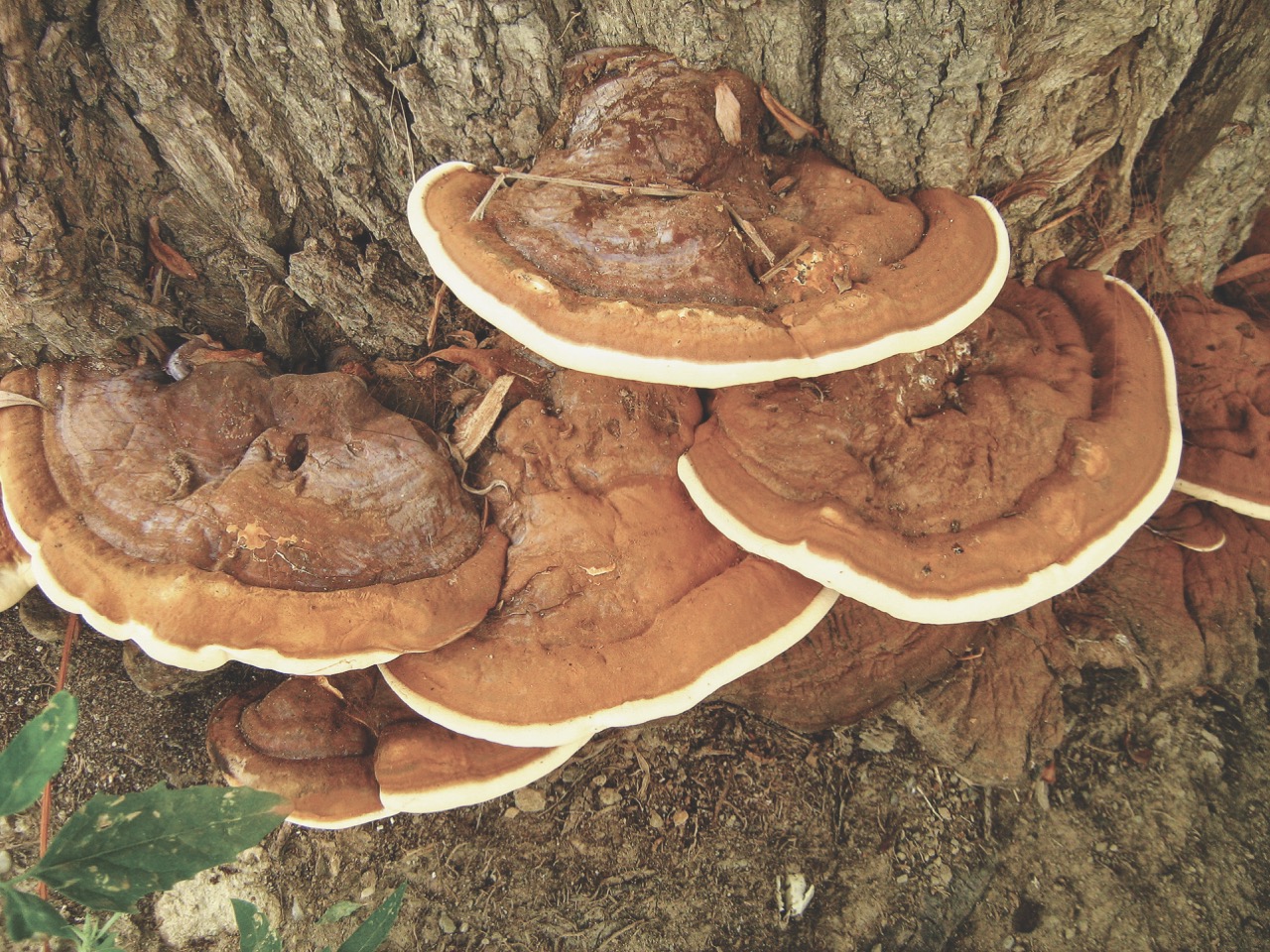
Artist’s conk mushrooms (Ganoderma applanatum) have no neck, are perennial, and can be found on dead and dying trees such as conifers. An identifier is that when written on with a toothpick, the writing turns brown. I’ve seen some beautiful artwork on artist’s conk mushrooms!
Medicinal properties and therapeutic actions of artist’s conk:
- Carminative
- Antibacterial
- Reduces mucus production
- Supports kidney health by inhibiting excess uric acid production
- Immune-stimulating
- Styptic (stops bleeding)
- Antiviral
- Anti-tumor
- Antifibrotic
Turkey Tail
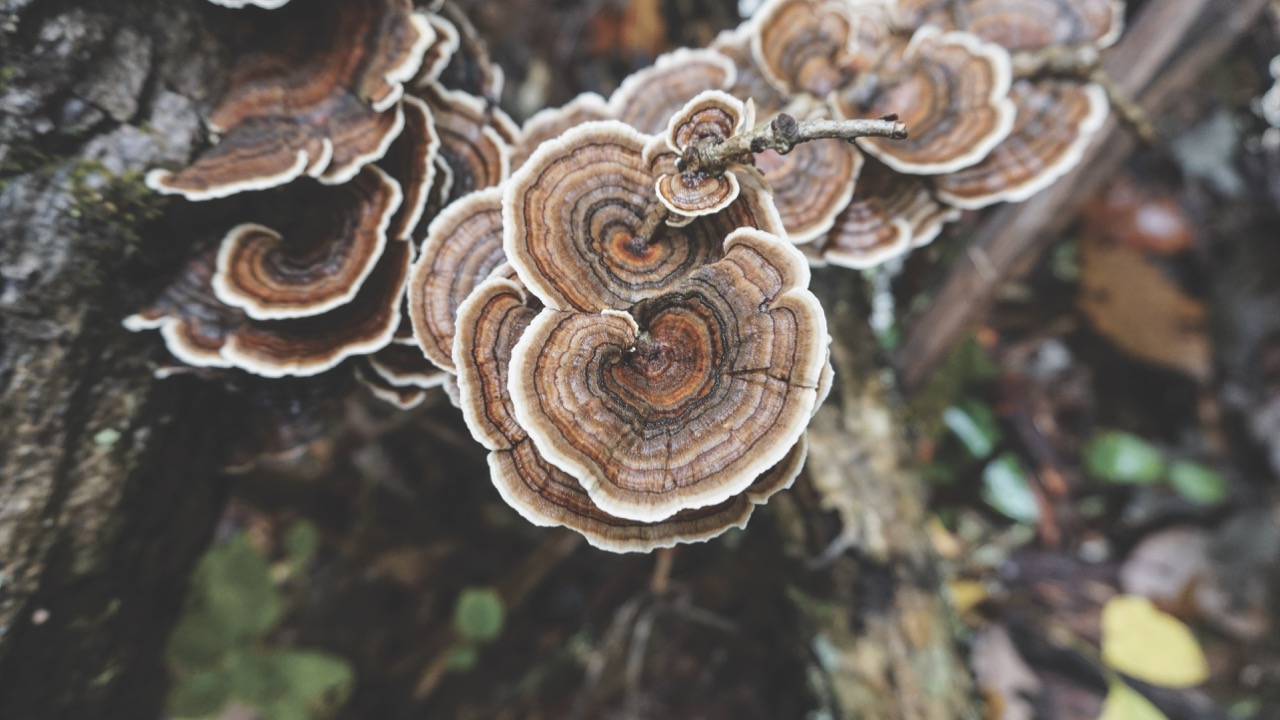
Turkey tail (Trametes versicolor) is a well-known medicinal mushroom. Versicolor means variable in color, from deep browns to grays to creams and greens. They are found on dead hardwoods and broadleaf trees such as birch, apple, cherry, and willow. The pore side is so white that it looks pearly and luminescent.
Medicinal properties and therapeutic actions of turkey tail:
- Antibacterial
- Antifungal (particularly effective against Candida albicans)
- Immune-stimulating and modulating
- Protects healthy cells, making it useful for those undergoing chemotherapy or immunotherapy
- Anti-inflammatory
- Helps to heal the gut lining
- Antiviral
- Enhances circulation, clears heat, and reduces dampness
Chaga
Chaga (Inonotus obliquus) is a type of fungus that grows mainly on birch trees in cold climates that have been infected with and colonized by the mycelia of the pathogenic virus Inonotus obliquus. Chaga forms a hard, black, crusty mass on the tree trunk, often resembling burnt charcoal. Despite its rough exterior, the interior of chaga is orange-brown with a cork-like texture.
Chaga is highly regarded for its medicinal properties. It’s believed to support the immune system, reduce inflammation, and potentially offer anticancer benefits. Tree-harvested chaga also contains betulin and betulinic acid from its host tree, birch. Birch bark contains high amounts of betulin and betulinic acid. Lab-grown myceliated grain chaga does not contain these compounds.
Medicinal properties and therapeutic actions of chaga:
- Antimicrobial
- Supports cardiovascular health
- Maintains blood sugar already within healthy limits
- Enables free and easy breathing
- Encourages a healthy inflammation response
- Supports digestion and stomach health
- Tree-harvested chaga enhances liver, stomach, and skin health
- Betulin (from tree-harvested chaga): a triterpene with cytotoxic properties, which prevent cancer cells from dividing and spreading
- Betulinic acid (from tree-harvested chaga): promotes apoptotic pathways, sparing healthy cells and targeting cancer cells for self-destruction
These mushrooms are truly brimming with medicinal properties! On my website, you’ll find a webinar titled Medicinal Mushrooms Inside and Out, which dives deeper into their healing potential and how to process them effectively. While I make my own triple extraction mushroom tinctures, I purchase mushroom extract powder from realmushrooms.com because it contains the full spectrum of beneficial polysaccharides, terpenes, and phenolic compounds.
Getting medicine to people in ways they’ll enjoy so that healing can occur is a thread that runs through every program that I teach. On that note, I’m excited to share my Smoothing Face and Body Lotion recipe, which you’ll find on the next page.
Until next time, I leave you wild about plants!
Recipe
Recipe by Suzanne Tabert
Ingredients
Step 1: Make your Reishi oil and Reishi decoction
- Reishi Oil Ingredients
- 1/2 cup of cut reishi dried or fresh
- 2 cups of extra virgin olive oil
- Reishi Decoction Ingredients
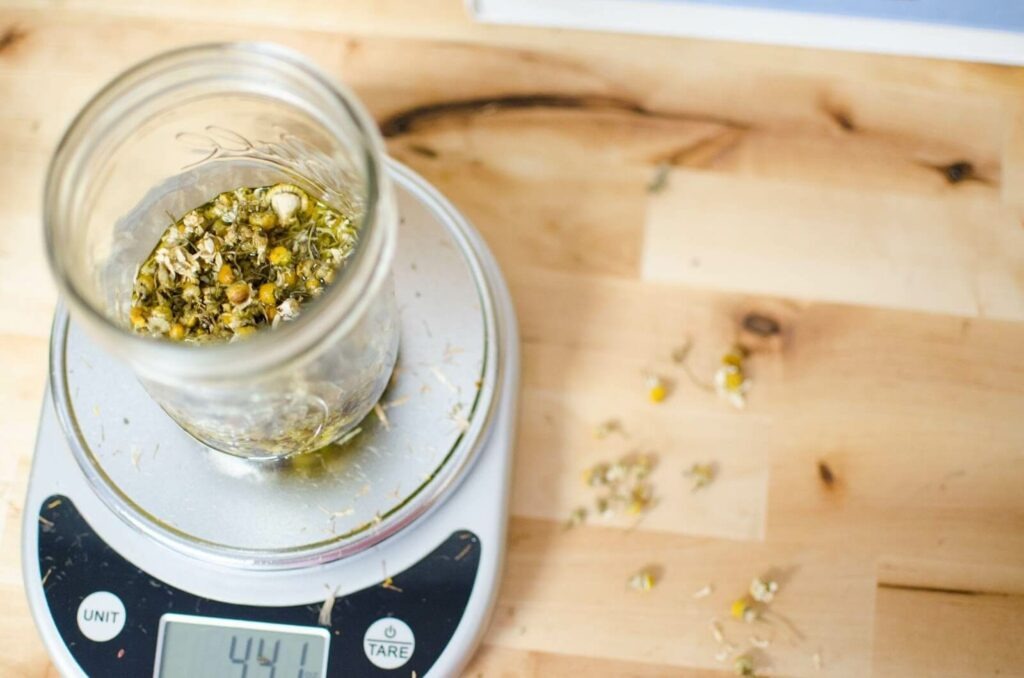
- 2 ounces by weight of cut, dried reishi
- 3 cups of water
Step 2: Make the lotion
- 1 ounce beeswax by weight
- 2 tablespoons shea butter or coconut oil
- 2 tablespoons cocoa butter
- 1 1/2 cups reishi medicinal oil
- 1 cup reishi decoction
- 20 drops tangerine essential oil
- 10 drops nutmeg essential oil
- 5 drops lemongrass essential oil
- 5 drops cinnamon leaf essential oil
Instructions
Step 1 Directions
- To make the reishi oil, place 1/2 cup dried or fresh, cut reishi in a crockpot, then add 2 cups of extra virgin olive oil. Allow reishi’s medicine to extract in the crockpot on low for 4 hours, then strain.
- To make the reishi decoction, simmer 2 ounces of cut, dried reishi in 3 cups of water until the water level goes down by half. Strain into a Pyrex measuring cup and compost the mushroom pieces. Set the strained decoction aside to cool.
- Note: You’ll need one cup of the strained decoction for the lotion. Any extra can be frozen for later use.
Step 2 Directions
- Melt the beeswax in a saucepan, then add the shea and cocoa butters. When the butters are melted, take the pan off the heat and stir in the reishi medicinal oil. Pour into a 4-cup Pyrex measuring cup and allow to cool until the oils begin to solidify.
- Once cooled, measure out one cup of the decoction and add the essential oils. Stir gently to mix the essential oils into the decoction.
- Slowly pour the mushroom decoction and essential oils onto the the cooled oils and blend using a stick blender until the mixture is thick, creamy, and completely incorporated. This should take about five minutes. If the mix does not get creamy, it could be that the oils have not cooled enough. If this happens, let the mixture stand to cool more and blend.
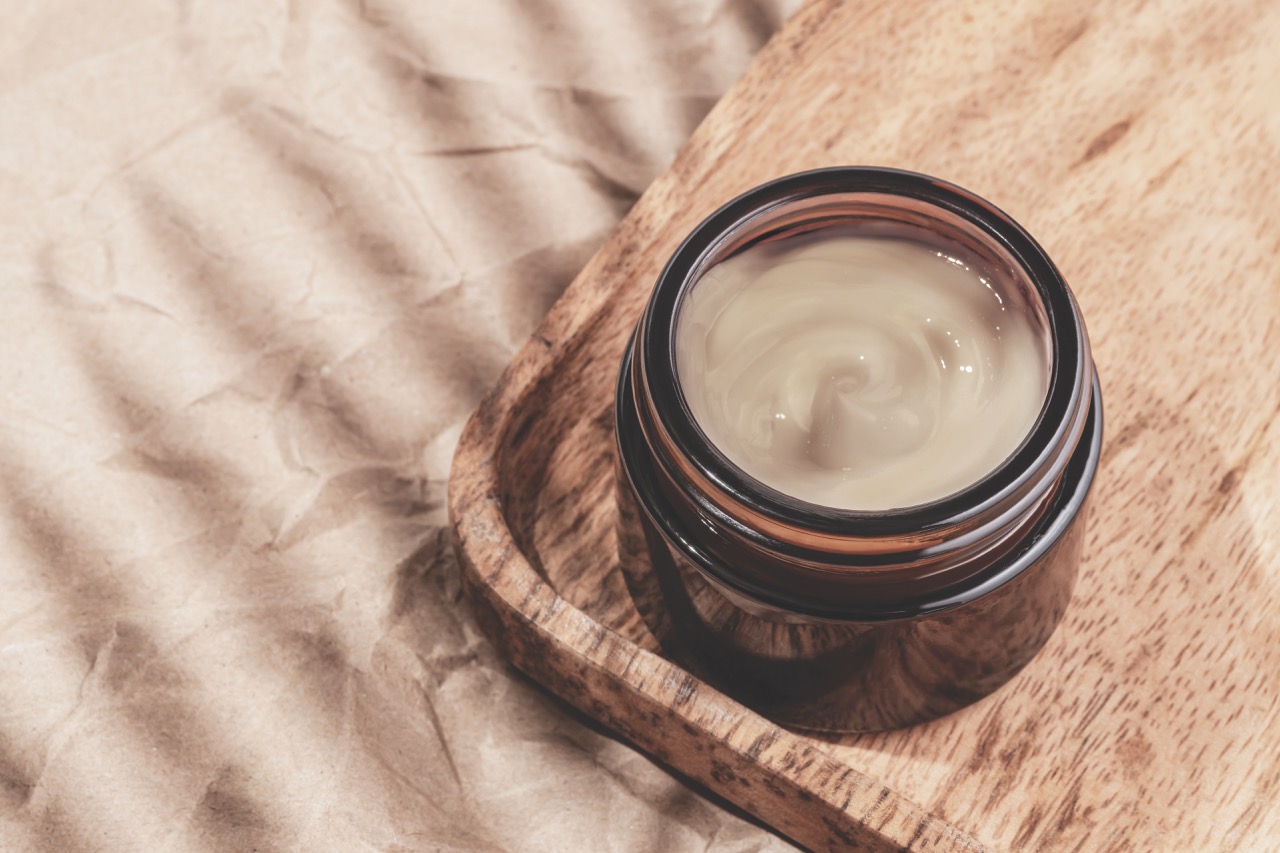
- Spoon or pour into jars. The cream will become thicker as it cools completely. Keep refrigerated. The lotion will keep for 6-8 months in the fridge.
Leave a Reply