
As the year winds down and many of us take time to reflect on our goals, our challenges, and our hopes for the future, it’s worth asking: What really makes someone a homesteader?
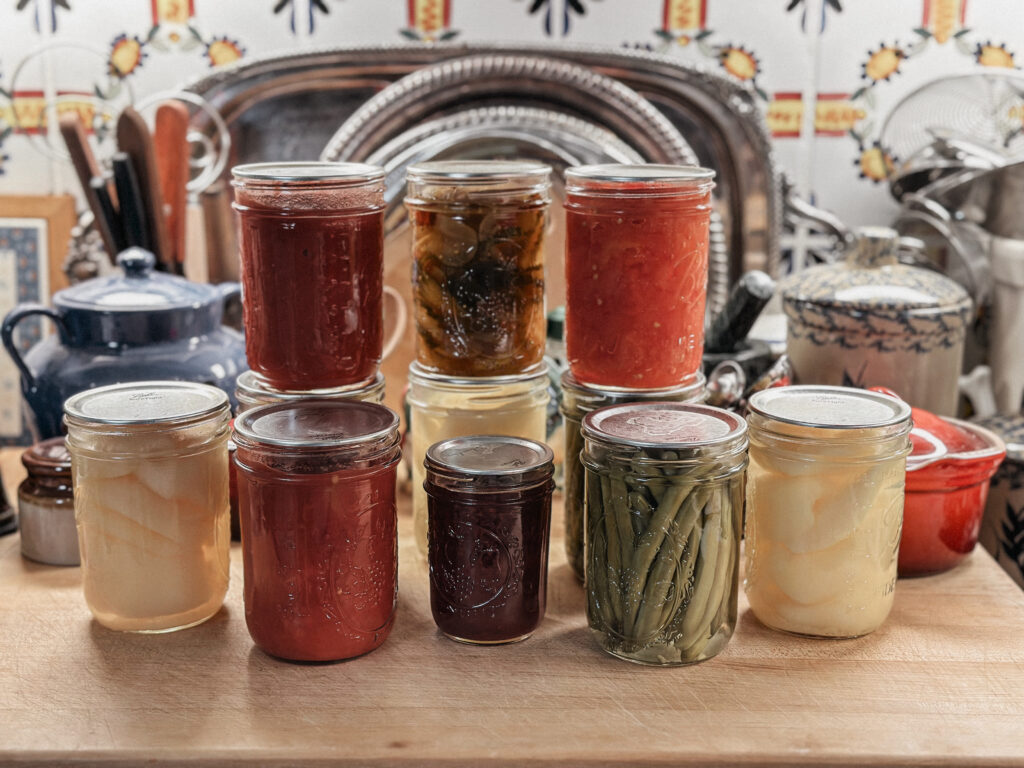
Is it acreage? Livestock? A pantry full of home-canned food? Those things are nice, but they’re not what define a homesteader.
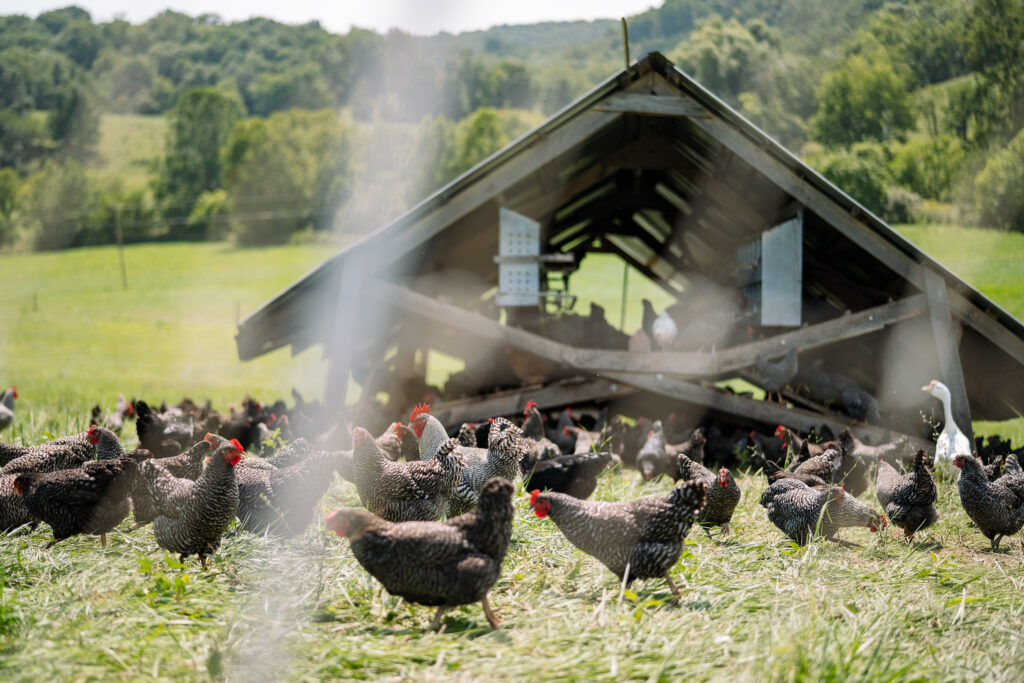
I am a homesteader. My family and I live on three acres, grow a large farm-to-market garden and a small orchard, raise chickens for eggs, and make many things from scratch. After interviewing hundreds of homesteaders over the past two years on my podcast, A Tiny Homestead, I’ve come to believe that homesteading isn’t so much about what you have as it is about who you are.
The people drawn to this life—whether they live on 40 acres or in a rented apartment—share a few core traits. These are the qualities that carry them through the trials and triumphs of homesteading life, and they are the very same qualities that anyone can cultivate, wherever they are.
In an age of convenience, fast food, and smart technology, the idea of homesteading might seem like a relic of the past. But for a growing number of people, it represents a return to meaningful work, self-sufficiency, and a deeper connection with the land.
Whether practiced on a sprawling rural farm or a small suburban plot, homesteading requires a unique set of qualities. These aren’t just skills—they’re values, attitudes, and character traits that define the heart of a homesteader.
Let’s explore the essential qualities that successful homesteaders possess and how these traits shape a life built on hard work, independence, and resilience.
Core Character Traits That Define the Homesteading Spirit
1. Tenacity & Resilience
Homesteading is not for the faint of heart. Animals get sick. Gardens fail. Freezers die. Houses burn down. Despite preparation, there will always be unexpected challenges. And still, homesteaders show up—every day. In the snow, in the mud, in the middle of sickness or stress. Tenacity is the quiet, daily decision to keep going, even when it would be easier not to.
Likewise, resilience is the ability to bounce back from setbacks. Resilient homesteaders don’t give up when things go wrong. They learn from their mistakes, adapt their methods, and press forward with patience and grit. Resilience also means accepting that some things are beyond your control, and focusing instead on what you can influence.
2. Resourcefulness & Self-Reliance
At the core of homesteading are resourcefulness and self-reliance—the ability and confidence to meet your own needs without depending heavily on external systems. This doesn’t mean homesteaders live in isolation, but rather that they cultivate the capacity to grow their own food, raise animals, repair their tools, and even produce energy.
Resourceful homesteaders prioritize needs over wants and find satisfaction in making do with what they have. It’s a deeply intentional way to live.
3. Patience & Adaptability
Homesteading moves at the speed of nature. Seeds take weeks to sprout, chickens take months to lay eggs, and fruit trees might not bear produce for several years. In a world used to instant gratification, homesteading teaches the power of patience.
Homesteaders understand that good things take time. They appreciate the slow processes and the anticipation that builds with each season. This patience also extends to learning new skills or starting with limited resources. Being patient means staying flexible, thinking creatively, and adjusting quickly. It also means embracing change—shifting goals when needed and letting go of perfectionism.
Adaptability means staying flexible no matter what comes at you. Whether it’s adapting to the seasons—some seasons are slower and require more patience, while others are busy and chaotic and require more energy—or adapting to changing circumstances when plans are upended: A dry summer might demand water conservation tactics; a surprise frost might kill seedlings overnight; animal behaviors might change without warning. The ability to adapt as needed is an integral part of homesteading.
4. Work Ethic & Lifelong Learning
Homesteading is physically and mentally demanding. From early morning animal chores to late-night canning sessions, there’s always something that needs doing. Those who romanticize the lifestyle quickly realize that homesteading is built on hard, consistent effort. Homesteaders aren’t afraid to work hard. They take pride in their labor, knowing that every egg collected or tomato harvested is the result of their dedication. This quality separates those who thrive from those who burn out.
Homesteading is also a continuous learning process. No one is born knowing how to build a root cellar, rotate livestock pastures, or identify the best time to tap a maple tree. Even seasoned homesteaders find themselves learning new techniques or troubleshooting unique problems. Whether through books, YouTube videos, local extension offices, or hands-on experiments, homesteaders constantly seek knowledge.
They aren’t afraid to ask questions, fail, or try something new. This curiosity fosters innovation and improvement.
Successful homesteaders embrace hard work while continuously learning, experimenting, and problem-solving. Their willingness to put in the effort—and keep growing—sets them apart.
5. Integrity & Stewardship
Homesteading is not just about independence—it’s about responsibility. Integrity means honoring your commitments to your family, community, and land. Stewardship means treating the soil, animals, and ecosystems with care, aiming to leave them better for the next generation.
At our place, integrity means transparency. We invite people to ask questions or visit our homestead, and we show and tell them what we do. We also tell them the why and the how of it all.
And stewardship means knowing when to hang on, and when to let go. We honor the lives and deaths of everything here. And we do everything we can to promote the growth—and health—of every living thing.
Cultivating a Homesteader’s Mindset in Everyday Life
Modern homesteaders are more than gardeners, builders, and cooks. They are resourceful problem-solvers, lifelong learners, and resilient caretakers of their land and families. These qualities—self-reliance, patience, adaptability, and purpose—are not only vital for homesteading success, but also deeply relevant in an unpredictable world.
Whether you’re dreaming of a full-scale off-grid farm or just growing herbs on a city balcony, cultivating the qualities of a homesteader can transform your life. It’s not about where you live—it’s about how you live.






Leave a Reply