
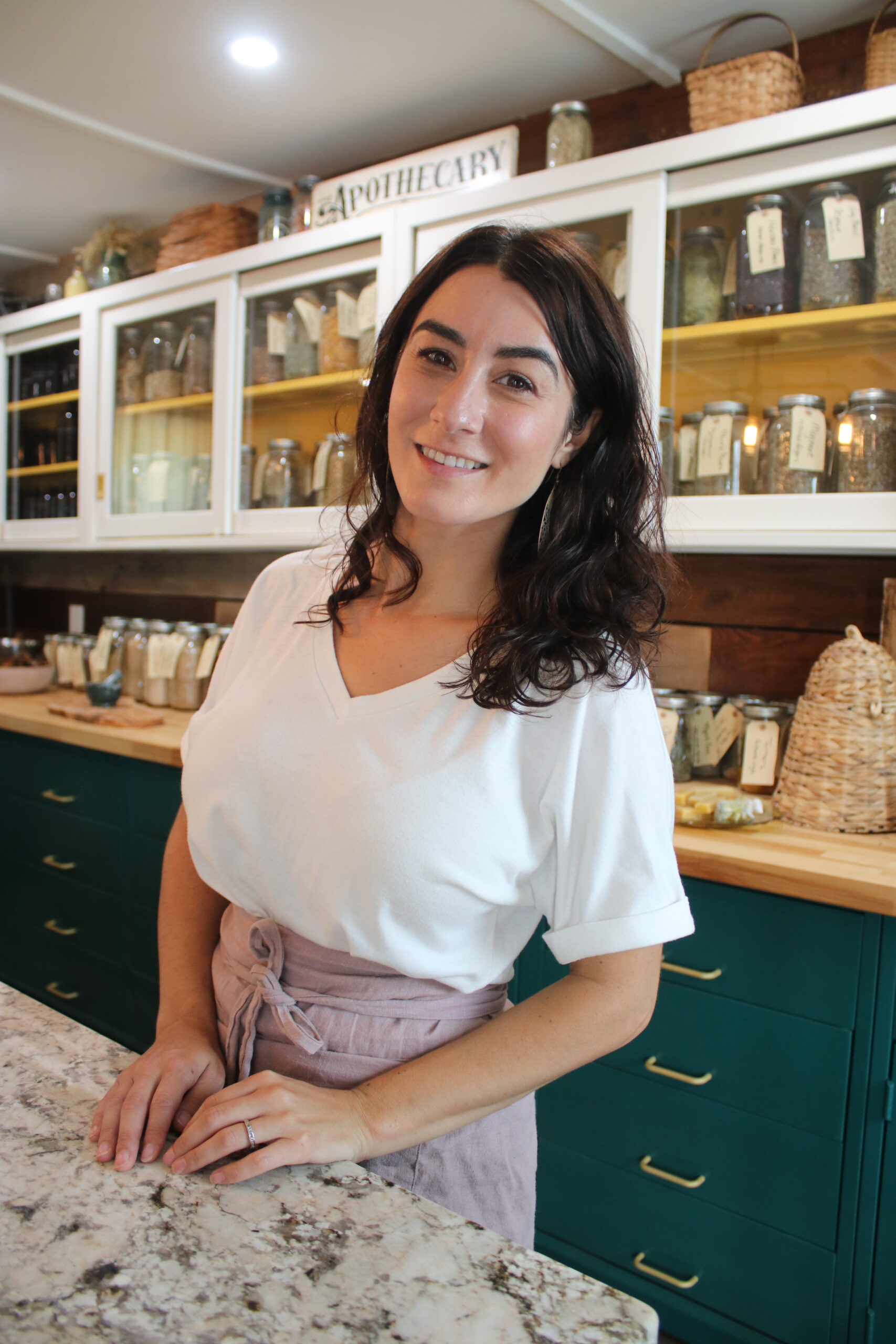
Many people don’t realize when they set out to create a home apothecary, they are already equipped with many of the important tools and herbs they need. The thought of herbal medicine may sound intimidating, but beginning in a familiar space can alleviate some of that uncertainty.
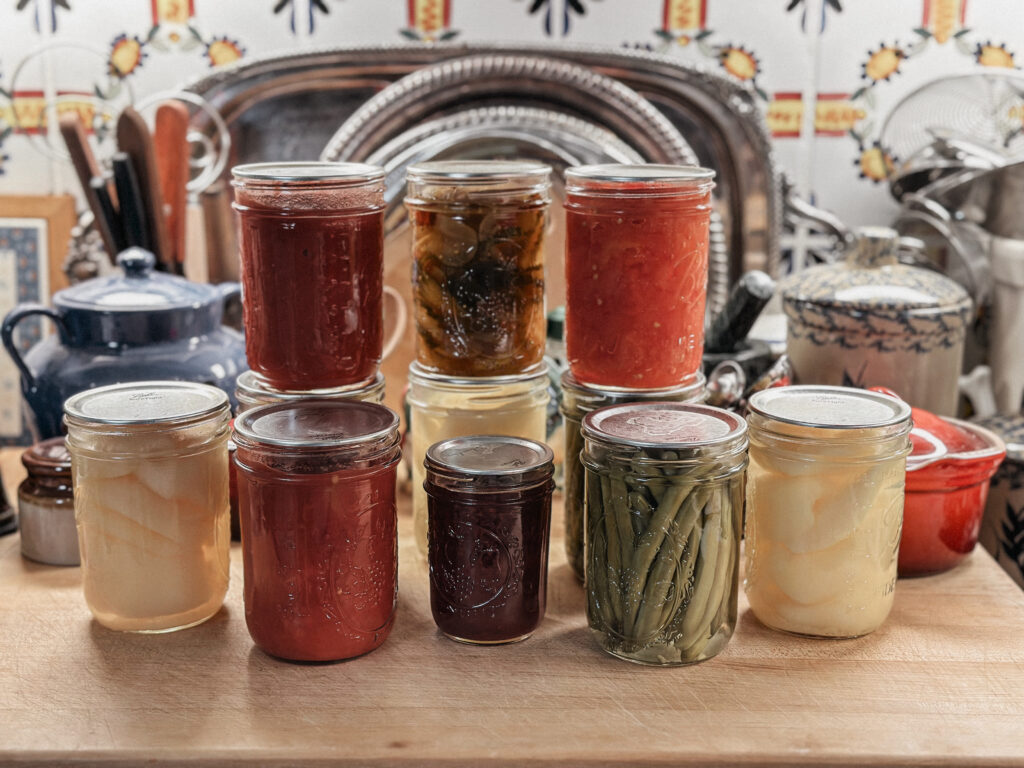
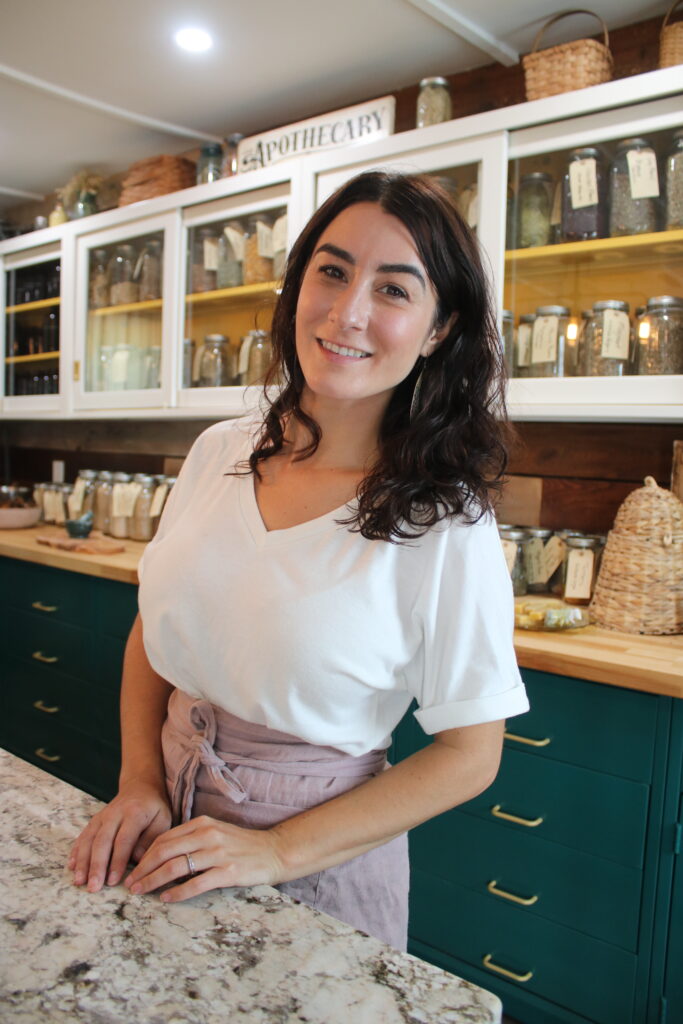
Your kitchen is where herbal medicine begins. Open your cabinets and start with what you have: bowls, measuring cups, measuring spoons, cutting boards, knives, jars, funnels, amber bottles, and items like cheesecloth have been invaluable tools in my own home apothecary. I only had to purchase a few items to stock my repurposed old china cabinet. Once used to store hand-me-down plates for special occasions, it now holds jars of dried herbs that I grew and foraged, tea blends crafted for my family’s health, spices to enhance my meals, salves for my tired hands made from the cherished beeswax of my honey bees, and tinctures for various ailments. The kitchen is the heart of the home, and just as cooking is done with love, so too should crafting with herbs.
What is an herbalist anyway?
When studying herbs, I was hesitant to claim a title that I wasn’t sure I was prepared for. I grew up in a home where the use of common herbs like catnip for tummy aches, ginger for warming the body, thyme and oregano for fighting colds in soup broths, and calendula for skin irritations was a normal practice. There was an uncertainty as I knew that I still had a lot to learn, but there was also a sense of ease in the beauty of forever being a student. Even my teacher, Teresa Boardwine, RH (AHG) of Green Comfort School of Herbal Medicine shared that she continues to learn, even with many years of being a clinical herbalist under her belt.
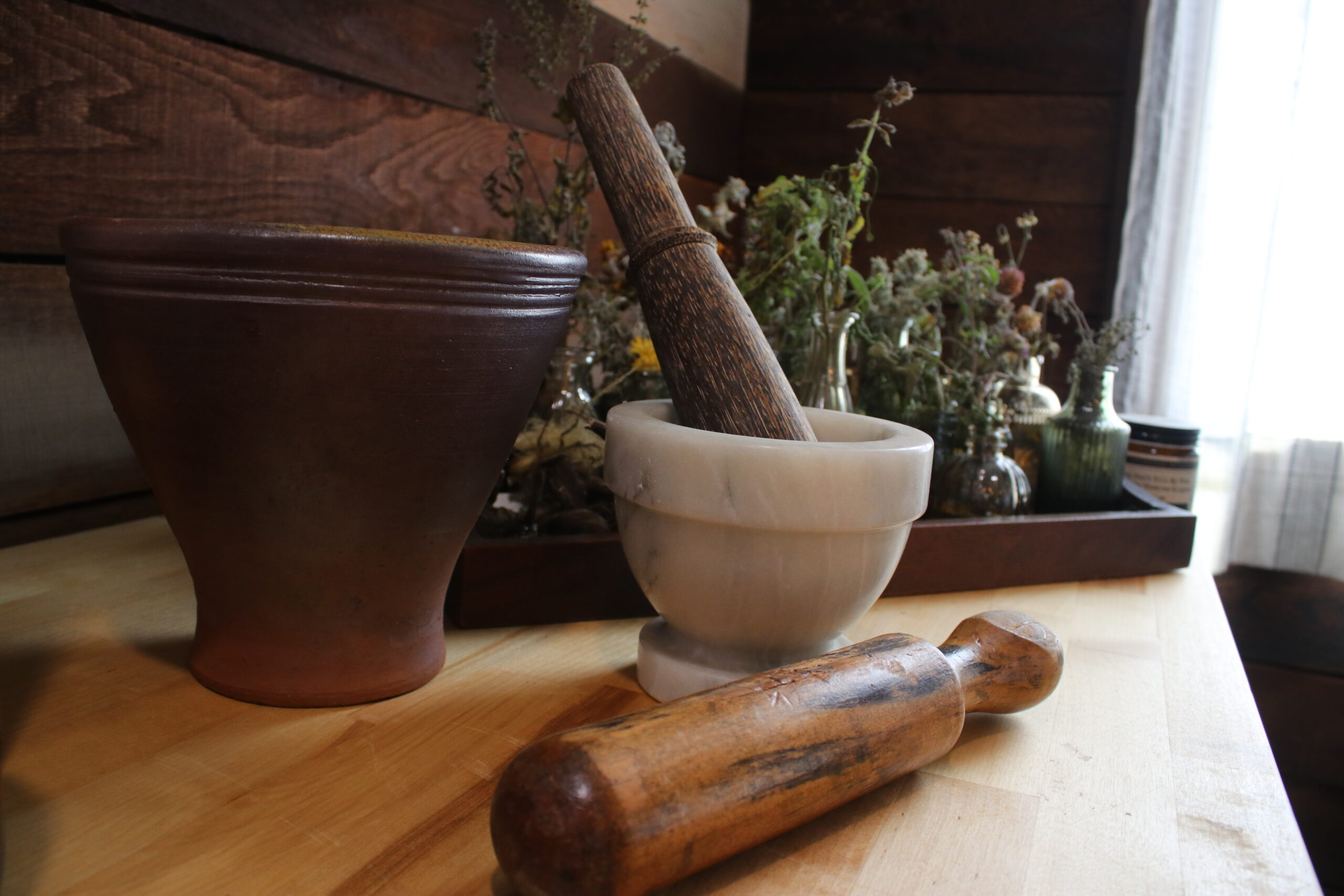
At what point do you call yourself an herbalist? As I was writing in my herbal journal, I looked up the proper definition of an “herbalist,” and my mouth dropped. I had been an herbalist much of my life, even from an early age. Webster’s Dictionary defines an herbalist as:
Herbalist •ˈ(h)ər-bə-list, n.
- a person who practices healing by the use of herbs
- a person who collects or grows herbs
The sense of encouragement that came over me after reading this was eye-opening, and one that I believe is so very important to the individual who may be too intimidated to begin diving into the world of herbal medicine. We often allow fear to stop us from beginning anything “new,” but if you already have herbs in your kitchen, then fear has no place here. You can begin with herbs that you cook with, possibly grow, and are already familiar with. Here are some familiar kitchen herbs that also pack potent medicinal properties:
Thyme
Thyme is antimicrobial, antifungal, supports respiratory health, and can improve immune function. Remember when you were sick and homemade soup was brought to you in your bed? The herbs were prepared and added not just for flavoring.
Garlic
Garlic is antimicrobial, antiviral, antifungal, boosts the immune system, and supports heart health. My grandfather swears by garlic and he often joked that it would “keep the bugs away!” I would chuckle that it would keep everyone away.
Rosemary
Rosemary has antioxidant and anti-inflammatory properties, improves concentration and digestion, and can enhance memory and mood. During the winter months, my mother would often add a rosemary tree inside our kitchen, and not only was the fragrance of the tree uplifting, but seeing green during the gloomy months was very helpful to keep the blues away.
There are many more herbs and spices that sit in jars in my apothecary, but as for which herbs you choose to stock in yours, I encourage you to explore this for yourself. We live in a world of dependency, and my goal as an herbalist is to show you that you can do this!
Understanding herbal actions
Herbs are defined by the actions they produce, and actions are the effects that the active components of the herbs have on the body. A simple way to look at it is by going to your medicine cabinet and seeing what you have and if there are herbs that could offer an alternative solution.
Take Tylenol, for instance. Even though it has been available for 60 years, scientists still are not entirely sure how the drug controls pain. They have found that in some way it works by blocking a specific class of enzymes, called cyclooxygenase (COX) enzymes. Medicine is a practice and herbs are a part of it. The action for controlling pain is analgesic and many herbs are supportive in that way. Ginger is a common rhizome that aids in relieving muscle pain, migraines, and even menstrual cramps.
Once you understand the definitions of common herbal actions, you can gain a better understanding of how to incorporate medicinal herbs into your life. You may also start to familiarize yourself with the active constituents in the herbs that cause the actions. A few herbal action definitions that are helpful to understand are:
Adaptogen
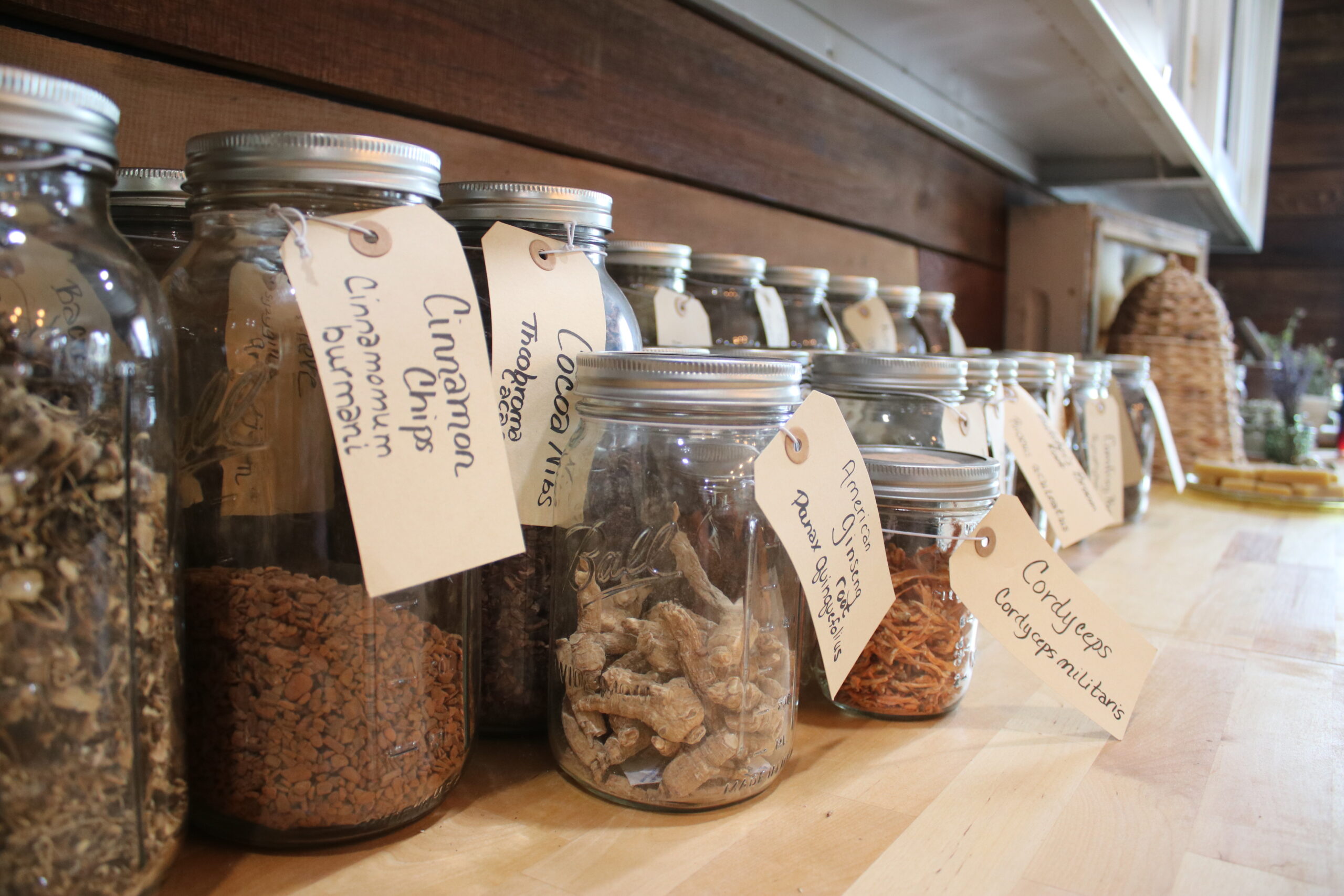
Adaptogens support and nourish the adrenals, which put the body into a state of non-specific heightened resistance in order to better resist stress and adapt to extraordinary challenges. Examples include ashwagandha, astragalus, cordyceps, ginseng, licorice, reishi, and tulsi (holy basil).
Anti-inflammatory
These herbs help the body to combat inflammation which helps to maintain optimal health and, ultimately, reduces the risk of illness and disease. Examples include ashwagandha, blue violet, calendula, cat’s claw, chamomile, reishi, St. John’s wort, turmeric, and wild yam.
Antimicrobial
Herbs with antimicrobial properties can help the body destroy or resist pathogenic microorganisms. Examples include calendula, cloves, echinacea, garlic, oregano, and thyme.
Carminative
These herbs are rich in volatile oils and expel gas from the stomach and bowels. Examples include cardamom, chamomile, cloves, fennel, ginger, lemon balm, peppermint, and star anise.
Demulcent
Demulcent herbs are usually rich in mucilage and can soothe and protect damaged or inflamed tissue. Examples include fenugreek, licorice, marshmallow root, and slippery elm.
Expectorant
These herbs assist the body in expelling excess mucus from the respiratory system. Examples include elecampane, hyssop, mullein, and usnea.
Tonic
Tonic herbs nourish, tone, balance, and restore natural function, vitality, and flexibility to tissue for either specific organs or the whole body through nutritional stimulation. Examples include ashwagandha, astragalus, alfalfa, oats, red raspberry leaf, and stinging nettles.
Vulnerary
These herbs are wound healers for internal or external uses. Examples include calendula, comfrey, plantain, St. John’s wort, and yarrow.
How to use the Herbs
There are many ways to use herbs outside of your kitchen. You can prepare herbs as infusions, tinctures, capsules, salves, and more. However, it’s important to note that personal preference does factor in when you decide what herbs are best for you—a cup of rosemary tea may not taste delicious, and trust me, if it doesn’t taste good, you may not drink it.
Some herbs like arnica are for external use only, which is important to take into consideration because our goal in anything we do is to do no harm. Taking herbs improperly can cause unwanted effects, and this is where it is important to do your own due diligence and research for yourself as it will only make you a better herbalist.
A few points to be mindful of when researching are which parts of the plant can be utilized, whether it may be the root, bark, berry, flower, leaves, or stem. This is important to know as you learn about herbs, ensuring you prepare the correct part properly. Dosing varies with each individual, and with each herb, and also depends on how the herb is prepared.
Types of Herbal Preparations
Infusions (Teas)
Infusions are made by steeping herbs in hot water. This method is commonly used for leaves and flowers. For example, chamomile tea is a popular infusion.
Tinctures
Tinctures are concentrated herbal extracts made by soaking herbs in alcohol or vinegar. They are taken in small doses and are convenient for those who need a quick and potent remedy.
Capsules
Herbs can be ground into powder and encapsulated for easy ingestion. This is a good option for those who dislike the taste of certain herbs.
Salves and Ointments
These are used for external applications. Herbs are infused into oils and then mixed with beeswax to create a healing balm. For example, calendula salve is used for soothing skin irritations.
Poultices and Compresses
Poultices are made by crushing fresh herbs and applying them directly to the skin. Compresses involve soaking a cloth in an herbal infusion or decoction and applying it to the affected area.
Essential Oils
Essential oils are concentrated extracts from aromatic herbs and are used in aromatherapy, massage, or diffused into the air. They must be diluted properly before applying to the skin.
Now to the topic that holds many back: “contraindications.”
What are contraindications?
A contraindication refers to a specific condition or situation in which the use of a particular herb could be harmful or produce adverse effects. We are all very unique in our own way and not every herb is right for every individual. Many factors should be taken into consideration when looking at herbs as alternative medicine. Factors like a person’s age, health status, medications they are currently taking, allergies, whether they are pregnant, and other underlying conditions should be taken into consideration before introducing herbs for medicinal use. All of this information is typically recorded in a materia medica, and may vary depending on the books you are referencing.
Books on herbalism cover a wide range of topics, from foraging and scientific research to common remedies, encyclopedias, and the specific uses of herbs. I recommend visiting your local library to explore different types of books and see what resonates with you and your needs. I prefer scientific-based books like Medical Herbalism by David Hoffman and books on foraging, like the Peterson Field Guide To Medicinal Plants & Herbs by Steven Foster and James A. Duke.
As you learn more about herbal medicine, do not be afraid to share the knowledge that you have gained. Even if it is one simple fact about a single herb, that one seed that you planted may inspire or spark a desire for someone to want more. You may have children that are watching, a family member that needs help, or even a friend that you could learn with. I have found that the most precious gift of herbalism is that you do not have to do it alone. The beautiful lesson in all of this is that while I have seen how the herbs have helped my health, creating a community has healed me so much more.
Forever a student,
Kaylee Richardson
The Honeystead
Apothecary Staples
When it comes to setting up a home apothecary, there are a number of tools that can be quite beneficial to keep on hand. The following list is a good starting point as you build your collection of herbal remedies and supplies.
- Sealable jars for storing dried herbs and making tinctures—Mason jars work well
- French press for steeping herbs
- Measuring cups/spoons for formulating blends
- Bowls and spoons for blending herbs
- Amber-colored glass bottles for preventing the sunlight from breaking down the medicinal compounds of a tincture
- Cheesecloth for straining
- Funnels for pouring
- Drying racks for drying herbs
- Labels for recording names and dates
- Journal for recording recipes and notes
- A variety of dried herbs with varying medicinal properties*
* You can stock your apothecary with your own homegrown herbs, or purchase dried herbs from companies like Frontier Co-Op, Starwest Botanicals, Mountain Rose Herbs, and Pacific Botanicals. It is also helpful to look to your local health food store as they may offer many herbs that you can purchase in smaller quantities before you buy in large amounts.



Leave a Reply