
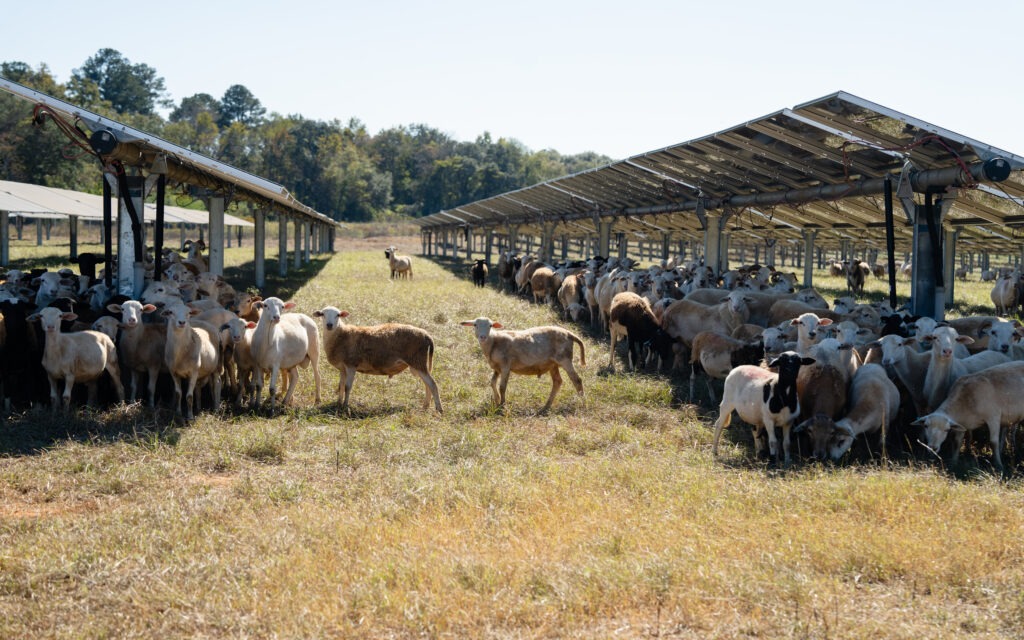
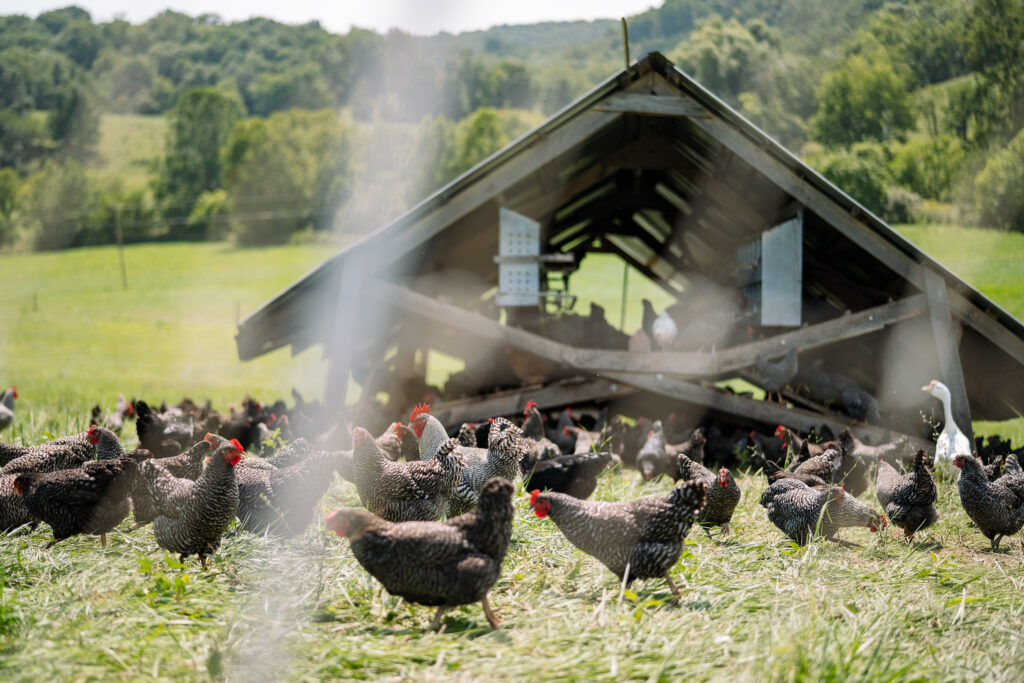
While attending the Modern Homesteading Conference in Coeur d’ Alene this past June, I heard Daniel Salatin (Polyface Farms) speak about rotational grazing. He used the phrase “Mob-Mow-Move” to describe their process for moving cattle through pastures to facilitate healthy soil, pasture regrowth, and to promote a thriving herd. They mob (i.e. group) cattle in one small pasture to mow down (i.e. eat) the grass and then move them on to a new section to allow the field time to rest and regenerate.
As I was pondering the concept of regenerative health, I realized there is perhaps some shared wisdom within the “Mob-Mow-Move” concept that can be applicable to humans as well.
MOB
For humans, this can mean maintaining intentional community with others to benefit our health and theirs. Kammie DeGhetto, a good friend of mine who’s a licensed clinical social worker/counselor and a wise, godly woman, joins me in writing about “mobbing,” human-style.
Homesteaders are notoriously resilient, stoic, and independent with a “can do” attitude hard to match. With the lifestyle of homesteading comes a never-ending list of chores and projects to maintain the health of crops, soil, and animals. In addition to those chores and projects, there’s the regular day to day living tasks (more if you have children at home), so it’s not unusual for homesteaders to become isolated.
We know that one of the biggest predictors of mental health challenges is isolation and loneliness. Research shows that isolation can lead to increased levels of perceived stress, depression, anxiety, and burn out compared to the general population norms.
What is one way to protect against isolation and its downstream effects? Participation in community. Building intentional rhythms of community into your life as a practical preventative practice to protect your mental health can be thought of as “immunization” against stress, depression, anxiety, and burn out.
Here are some suggestions to “mob” (group) with your community: take up a group sport, join a choir, attend continuing education conferences (i.e. homesteaders conferences), get involved with your church, take a class at your local community center, join a hiking group, or start or participate in a group supper club where families host dinner potluck style featuring their homegrown foods. You get the idea.
No matter what you do, the key is to venture off the homestead! In-person community is best because research shows our nervous systems need connection and community to regulate and repair at an optimal level. If you have children at home, this is also why it’s important to find ways for them to be involved with community to ensure their well-being.
We were not built to go through life alone. If you do not have community built into your rhythm of life, this is your gentle invitation to commit to doing so in the new year.
MOW
Before we discuss the “mow” or “eat” portion of this article, I’d like to share a few highlights on how our gut works. Our gastrointestinal tract is an elaborate system, and the enteric nervous system present within it is the largest collection of nerve cells and complex neural networks outside of our brain, with an ability to operate almost independently from the brain’s input. (1)
Despite this relative autonomy, there is a constant interplay and two-way signaling that happens between the nerve cells in the gut and the brain that triggers simple messages such as hunger, fullness, and the need to empty your bowels as well as more complex messages such as anxiety (ie “fluttering” in your stomach) and a loss of appetite associated with nervousness or depression.
To add another layer of complexity, our microbiome within the gut (composed primarily of diverse bacteria, but also viruses, fungi, and parasites) facilitates the synthesis of key vitamins such as B1, B9, B12 and Vitamin K. It also helps to break down indigestible complex carbohydrates and dietary fibers, which produces a by-product of short-chain fatty acids (SFCA’s) that are integral in helping to keep our gut barrier intact and lessening inflammation in the colon and throughout the body. (2)
Additionally, 90% of the serotonin (a neurotransmitter important for mood and proper gut function) found in humans is derived from the gastrointestinal tract, and dysfunction of the microbiome has been linked to mood changes, irritable bowel syndrome, and other mood disorders of the nervous system. (3)
Now, you may be saying, “Why should I care about any of this”?
I would say that there are many aspects of the typical Western diet that can short-circuit or negatively impact the function of our microbiome, our gut, and our overall health. From widespread antibiotic use, microbial resistance to the overabundance of sweeteners (both natural and artificial), highly processed foods, and “fast” foods as well as preservatives and chemicals even a chemist can’t pronounce, the Western diet isn’t usually hailed as the epitome of a healthy lifestyle.
What, then, are some simple and practical ways that we can “mow” or feed our gut to optimize its regenerative function and impact upon our immune and nervous systems?
- Fertilize your gut’s microbiome with color. Focus on eating more nuts, seeds, fruits, and plants from a rainbow of colors as this diversity of foods typically contains different antioxidants and anti-inflammatory ingredients that plants produce to protect themselves from drought, excessive UV light, and free-radical production.One example would be Vitamin C. It’s found in many citrus fruits and protects our cells from free radicals as well as aiding our immune system, promoting collagen production, and facilitating wound healing of skin.Additionally, plants often contain various complex carbohydrates and fiber that different gut microbiota need to feed on and produce SFCA’s that help to regulate our immune response in the colon and throughout our body. (4) And by “plants,” I don’t mean French fries or lab-crafted vegetarian meat. I mean a variety of plants, nuts, seeds, and fruits that come directly from the earth, not from a manufacturing plant. (5)
- Wean your taste buds off overly sweet foods. Have you looked to see the amount of sugar that’s in your favorite yogurt? Four grams of sugar = 1 teaspoon, and many flavored yogurts contain four or more teaspoons (16 grams) of added sugar per six-ounce serving. Pumpkin lattes, sports drinks, ketchup, even toothpaste: Once you start checking, it’s rather shocking to see how many grams of sugar are added by food chemists to “sweeten the taste” of something we ingest to make it more desirable and perhaps addictive.
Excessive sugar intake can lead to weight gain and increase your risk of diabetes and cardiovascular disease and may also promote inflammatory dysregulation and autoimmune diseases such as rheumatoid arthritis, psoriasis, and multiple sclerosis. (6) Artificial sweeteners are a discussion for another time, but in general, they should mostly be avoided as well. - Eat more slowly. Nobody’s going to steal your food, so slow down. It takes the brain approximately 20 minutes after you start eating to register that you are full. If you shovel your food in more quickly than that, as many of us time-crunched folks do, you often eat more calories than your body really needs. Being mindful of what you’re eating, savoring the taste of each bite, and slowing down chewing can minimize excessive caloric intake and facilitate weight loss or maintenance of an ideal body weight. (7)
- Avoid unrecognizable food substances. As Michael Pollen says in his well-written and easy-to-read book Food Rules, “Avoid food products containing ingredients that a third-grader cannot pronounce.” Butylated hydroxyanisole. Tert-butylhydroquinone. Are these household cleaners or common preservatives in processed foods? (8) Common sense should tell us that if we can’t pronounce it or recognize what it is or does, we might be wise to avoid ingesting it and stick to foods that are identifiable as real food, preferably something we’ve grown or animals we’ve raised ourselves. I recommend you begin reading labels and doing your own research on these chemicals, although fair warning: what you discover may cause you to start losing sleep at night.
- Add several fermented foods. Along with “fertilizing” your gut with lots of colorful nuts, seeds, fruits, and plants, there is growing evidence that ingesting various fermented foods such as kimchi, crunchy pickles, sauerkraut, kombucha (watch the added sugars), yogurt (ditto), kefir, and others provides an assortment of probiotic species that maintain a healthy balance of beneficial bacteria and diversity within the gut.Promoting bacterial diversity in the colon, especially bacterial species that produce SCFA’s such as Lactobacilli and Bifidobacteria, can help protect your gut lining and may prevent “leaky gut” and inflammatory bowel diseases such as Crohn’s disease or ulcerative colitis. (9) Other potential benefits of fermented foods that are currently being studied include improved blood sugar regulation, lowering of blood pressures, decreased cardiovascular disease and other inflammatory-related diseases.

MOVE
This is simple: We need to move more. Less sitting, more movement. It doesn’t have to entail running or a high-impact sport if your aging knees or hips are yelling at you. Simply walk around your farm or with your spouse and family after dinner in your neighborhood. Or, try riding your bikes together on a greenbelt. MOVE MORE. A sedentary lifestyle will kill you with chronic disease. Cows need to move from pasture to pasture in rotational grazing, and we need to move too if we want to live a regenerative and full life.
For this new year of 2024, Kammie and I hope for you abundant joy, challenges, love, good food, time with family and friends (two- and four-legged), and that you are intentional with the choices you make to maximize your overall health.
DISCLAIMER: This article is not intended to provide personalized medical advice. Please consult with your physician before embarking on any medical or nutritional changes.
REFERENCES:
- The Gut-Brain Connection. (2023, September 20). Cleveland Clinic. https://my.clevelandclinic.org/health/body/the-gut-brain-connection.
- Al Bander Z, Nitert MD, Mousa A, & Naderpoor N. The Gut Microbiota and Inflammation: An Overview. International Journal of Environmental Research and Public Health. (2020, October 19). 17(20):7618. doi: 10.3390/ijerph17207618.
- Huang TT, Lai JB, Du YL, Xu Y, & Ruan LM, Hu SH. Current Understanding of Gut Microbiota in Mood Disorders: An Update of Human Studies. Frontiers in Genetics. (2019, Feb 19). 10:98. doi: 10.3389/fgene.2019.00098.
- Golpour, F., Abbasi-Alei, M., Babaei, F., Mirzababaei, M., Parvardeh, S., Mohammadi, G., & Nassiri-Asl, M. Short Chain Fatty Acids, A Possible Treatment Option for Autoimmune Disease. Biomedicine and Pharmacotherapy. (2023, July). 163; 1-19. https://doi.org/10.1016/j.biopha. 2023.114763.
- Makki, K., Deehan, E., Walter, J., & Backhed, F. The Impact of Dietary Fiber on Gut Microbiota in Host Health and Disease. Cell Host & Microbe Review. (2018, June 13). 705-715. https://doi.org/10.1016/j.chrom.2018.05.012.
- Ma, X., Nan, F., Liang, H., Shu, P., Fan, X., Song, X., Hou, Y., Zhang, D.. Excessive intake of sugar: An accomplice of inflammation. Frontiers in Immunology. (2022, Aug 31). 13:988481. doi: 10.3389/fimmu.2022.988481.
- Zelman, K. Slow Down You Eat Too Fast. (2004, Nov 14-18). WebMD. https://www.webmd.com/obesity/features/slow-down-you-eat-too-fast
- Myers, I. EWG’s Dirty Dozen Guide to Food Chemicals: The top 12 to avoid. (2022, July 11). The Environmental Working Group. https://www.ewg.org/consumer-guides/ewgs-dirty-dozen-guide-food-chemicals-top-12-avoid.
- Mikstas, C. Fermented Foods for Boosting Health. (2023, February 24). WebMD. https://www.webmd.com/diet/ss/slideshow-benefits-fermented-foods.



Leave a Reply