

I am not much of a meal planner, at least not in the traditional sense. The thought of using an off-the-shelf meal plan that lists seven different meals for a week with a long list of groceries to buy is such a turn-off. At least, that’s how I feel today. If you turn the clock back 25 years, my perspective was a lot different. So, if you too have been caught in the meal planning trap, take heart: I was there too. But there is a road to recovery!
Meal Planning Gone Awry!
When I was first married, I wanted to be the consummate wife and mother and the perfect homemaker. Instead, I found myself quite overwhelmed. I was in my early 40s with a new baby and had only recently left the corporate world behind. My mother had schooled me since I was a young woman in what she called “the gentle arts of domesticity,” but truth be told, I was rusty!
One of my main struggles was making sure I had a nice hot meal on the table for my husband when he arrived home from work. I searched the Internet and found a meal plan that caught my eye. I took the meal plan to the grocery store and shopped for the plan’s extensive list of ingredients. I am ashamed to say that I far exceeded our weekly grocery budget!
To add to my woes, although the recipes in the meal plan I found looked attractive, I had never made them before. I had been having long days as a stay-at-home mom cleaning the house, doing the washing, and caring for a newborn baby boy. And the novelty and complexity of the meal plan just added to the stress I was feeling at that time.
As most home cooks know, even the best-laid plans -meal plans, that is- often go awry. This is exactly what happened to my meal plan time and time again. I started with great intentions, but with each week came unpredictability, as it does especially when you have children. When plans changed and time ran out to follow the minutiae of my meal plan, I found myself with a bunch of perishable food on the verge of going to waste.
I say “on the verge” because I am not one to waste food. Instead, most of the perishable food, previously destined for various meal plan recipes, went into a big pot where I turned it into an evening meal of soup. We had many evening meals of soup! The upside is that to this day, my husband tells me I make great soup. 😉
But no matter how tasty a soup may be, sometimes we all want something different! And a soup of vegetable scraps would’ve been just as delicious and cost a lot less than all the meal plan ingredients that wound up in the soup pot.

A New Approach
Having this happen to me over the years more times than I can count, I finally acquired wisdom and tossed my internet meal plans by the wayside. Instead, I developed a different way to plan our family meals. In a sense, you could call it reverse meal planning.
This plan, if you can call it one, permanently transformed my meal planning once and for all, and it will do the same for you! You’ll create nutritious and delicious home-cooked meals that are easy to make and are easy on your budget because they use what you already have on hand, or those familiar foods you buy on a regular basis.
Here’s how to get started:
Step 1. Shop Your Four Corners Pantry First
If the term Four Corners Pantry is new to you, I am referring to the four areas where most home cooks store food. These include:
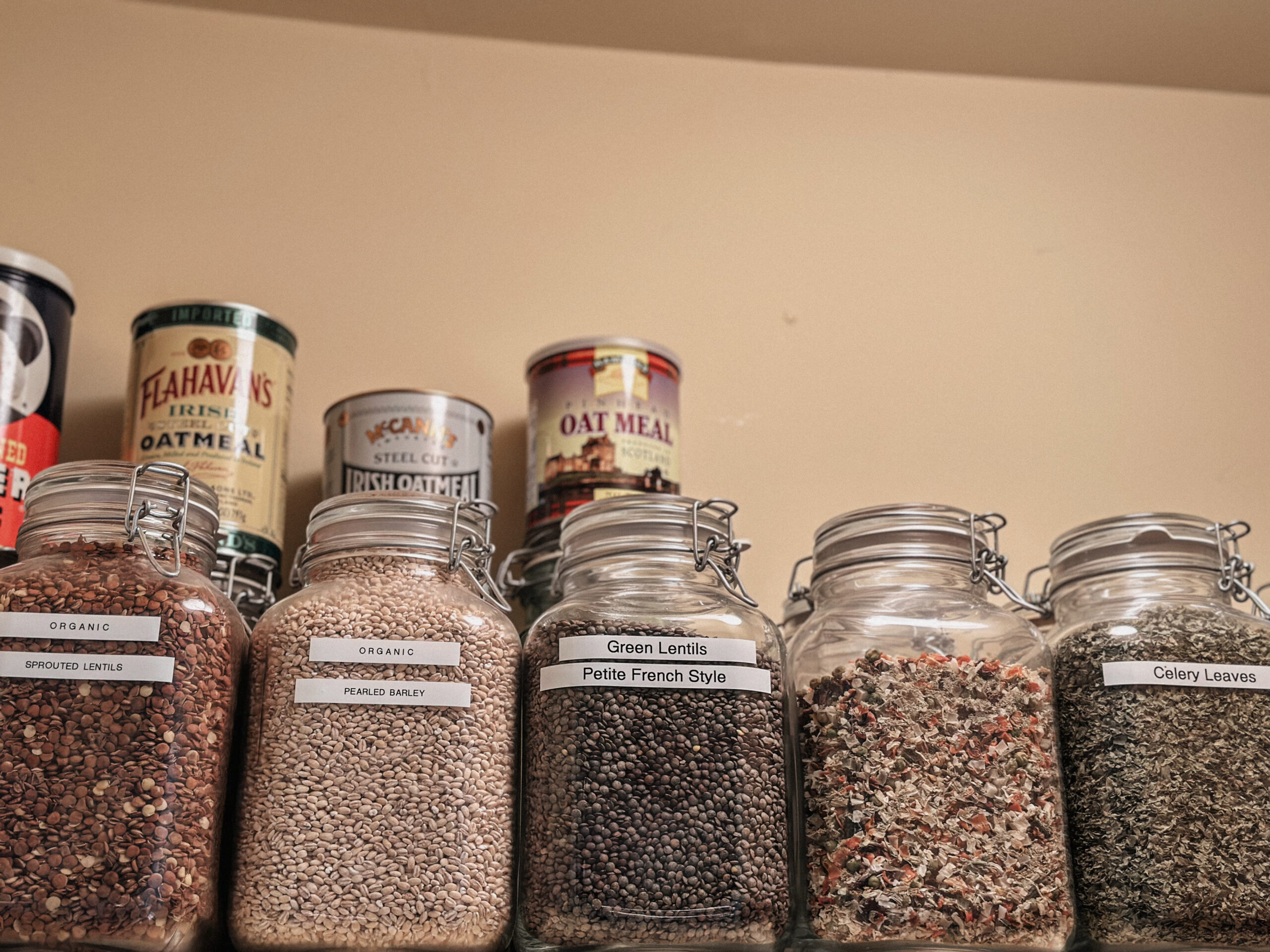
* The Working Pantry – where you store the non-perishable foods you typically access daily. These include dry foods, including barley, beans, grains, and lentils as well as canned or jarred foods like tomatoes.
* The Refrigerator
* The Freezer
* The Extended Pantry – where you store your backup supply of food that you access when you need to refill your Working Pantry.
Before you think about creating a meal plan or buying any food, thoroughly inspect what you already have on hand. If you are not in the habit of regularly inventorying your foodstuffs, this task may seem slightly daunting. Trust me, it will be worth it. If you are like most people, you will be pleased with what you find and discover that you can buy less food on your next trip to the market.
However, if, after looking at your Working Pantry, you find you have very little on hand or if you still need to create an Extended Pantry, don’t worry! To create meals through a reverse meal plan approach, you will want to start stocking more non-perishable foods that you can use to make quick, easy, and nutritious meals.
The good news is that you don’t need to stock your entire Working Pantry in one shopping trip. Whenever you go to the market, pick up a few extra items to add to your Working Pantry. Choose those non-perishable foods you and your family regularly use, especially those that may be on sale. Once you’ve stocked your Working Pantry well, start adding non-perishable foods to your Extended Pantry. Before you know it, both your Working and Extended pantries will be well-stocked to see you through the creation of many meals.
Step 2. Create “A Star of the Show” Meal…and Then Add Four More
I decided to create a weekly rhythm for my family meals, starting on Sunday when I cook what I call the “Star of the Show.” (Sunday is usually the day when I have the most time to make a substantial meal.) You can also create this weekly rhythm of meals in your kitchen by picking one of the meals that week to be your star meal. This meal will serve as the basis for some of the meals you will make over the course of the week, and it is one of the best things you can do to make meal prep easy.
In our home, the Star of the Show for our main Sunday meal is often a large roasting chicken, but you are not limited to this particular meal. Your star meal may look different from my meal or other families’ meals since it depends on what you already have in your pantry, refrigerator, or freezer. Your star meal may also change from week to week depending on what you have on hand or to introduce variety.
I also vary my star meal on occasion and make a basic ingredient meal, such as a side of baked salmon in season, a large bone-in roast during the colder months, or a big bowl of stew, chili, or spaghetti topped with homemade marinara, meatballs, and Italian sausage. Alongside these meals, I’ll often serve a salad with homemade dressing (a week’s worth already prepared and in a cruet in my fridge) and either home-baked or store-bought (when time is tight) bread, rolls, or crackers. This star meal, no matter what I make, serves as inspiration for at least one or two more meals during the coming week.
To round out your weekly meals, come up with four additional meal ideas. Some will include leftovers from your star meal while others will use what you have in your Four Corners Pantry. This is actually very easy to do. You can look through your favorite cookbooks for inspiration or search the Internet for recipes that bring together the variety of ingredients you have on hand, including leftovers from your star meal.
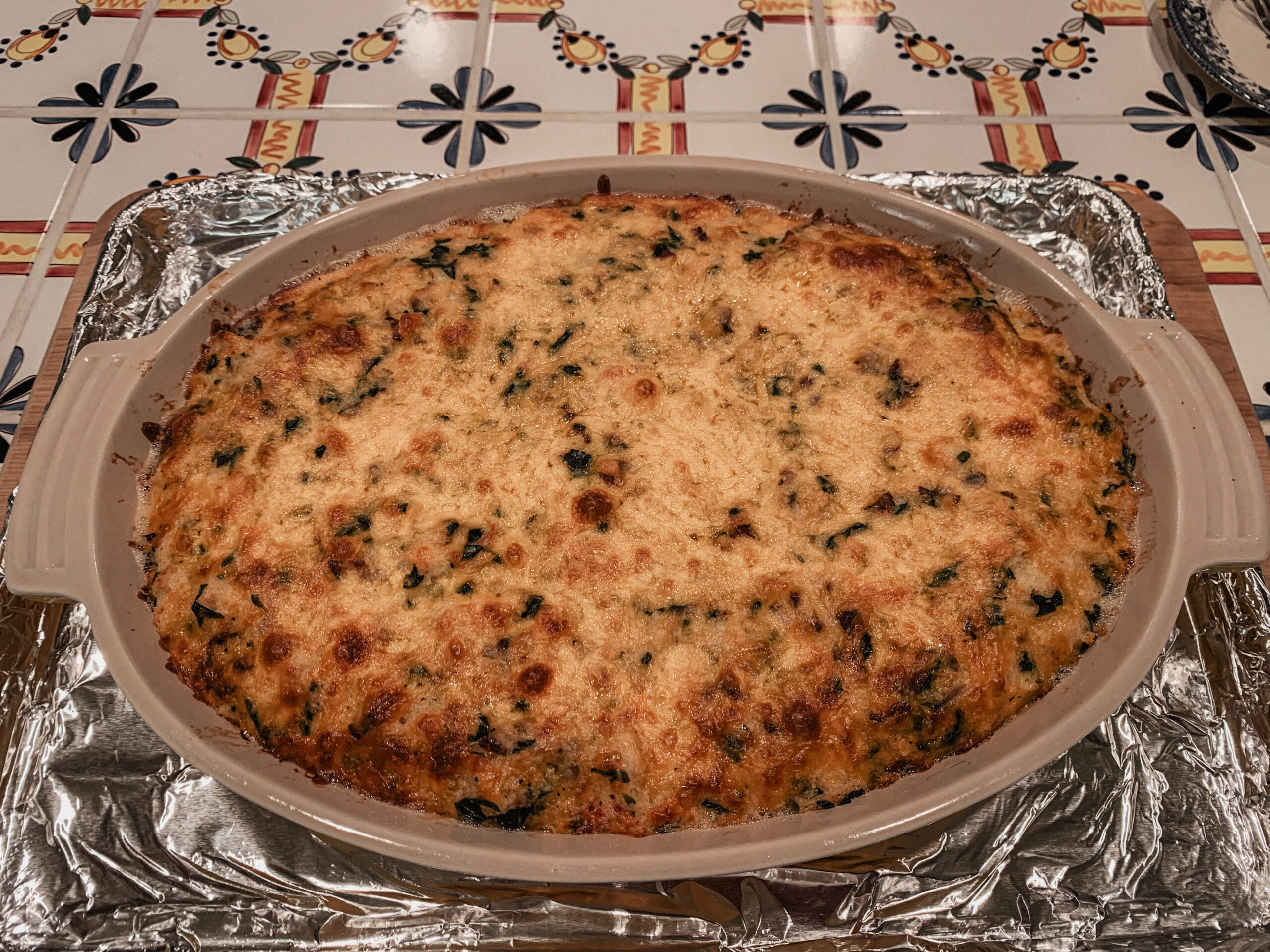
Go to your favorite search engine, and in the search bar, type, “What simple recipe can I make with A, B, and C?” For example, you can type in what you might have on hand, such as leftover chicken, potatoes, and fresh green beans or spaghetti with sauce, eggs, and mushrooms. You might get results for creating flavorful casseroles. Find a recipe for each of the four nights from the search results or submit a new query with different ingredients.
The meal plan that you come up with, which includes your star meal and four additional meals, covers you eating at home for five nights out of the week, with the expectation that you may eat out as a family or have other commitments on the other two nights, such as Friday and Saturday. However, if you know that you will be enjoying meals at home every night of the week, simply add in two more meals to your weekly rotation.
If you find yourself in a situation where you are completely out of ideas or simply too tired to prepare much of anything, there’s a quick and easy solution. A simple charcuterie platter with some sliced meats from leftovers, cheese, pickled or fermented veggies and some condiments along with crackers or whatever bread you have on hand can become a meal in and of itself. This takes no time, and no one will go away from the table hungry.
After you’ve completed one week’s worth of recipes, all you have to do is rotate these five (or seven) meals throughout the month. By all means, you can add more options for variety with new ideas or simple tweaks to those recipes you already have on hand, but don’t overwhelm yourself at first. You can always add new ideas to your rotation next month, and you can slightly vary your ingredients based on seasonal shopping. And that brings us to Step #3.
Step 3. Shop ONLY for What You Need
Once you have shopped your Four Corners Pantry and created meals around what you already have on hand, only shop for what you need to round out your meal. These ingredients usually include in-season fresh produce and anything else you need to restock your existing supplies.
Herein lies the beauty of reverse meal planning: You’re not trying to follow a meal plan that might list ingredients that are out of season and expensive. Instead, you’re shopping for what’s on sale or what’s in season since these seasonal ingredients will typically be less expensive.
And remember, before you leave home for the grocery store, you’ll want to have a good idea of what you already have on hand. Restocking your Working Pantry with non-perishable food from your Extended Pantry will help give you some of the essential items for your shopping list. These are the foods you need to buy to restock your backup food supplies in your Extended Pantry.
Once you get home, take a few minutes to prep and properly store your fresh produce to extend its shelf life. You can use various storage vessels, from food saver-type devices to simple glass canning jars with airtight lids.
And if, by chance, you find yourself at the end of the week with a few fresh foods in your crisper that are starting to get a little close to being past their prime, it’s okay to throw them into a pot and create a hearty soup with some additional ingredients from your Working Pantry, such as barley or lentils.
But What About Breakfast and Lunch?
This three-step plan helps you plan your dinner meals, but what can you do if you need to prepare three meals per day?
You can streamline your breakfast or lunch by having a handful of meals you can prepare the night before. These make-ahead meals include soaked steel-cut oats or a selection of baked goods, including savory ones like slices of strata (a baked egg casserole) or quiche that are easy to warm up and enjoy at the table or on the go. When all else fails, eggs are a quick and easy go-to, and can be prepared in so many ways.
And by all means, you can apply the Star of the Show approach to a breakfast meal when you are at home and not in a rush. Whip up some eggs, toast, bacon or sausage, and fried potatoes. And don’t scrimp. Make a generous amount of food. Each one of these foods can serve as the future building blocks for another breakfast, lunch, or even a dinner, including savory bread puddings, hash, BLT sandwiches, meat sauce, and more!
The Three-Step Plan in Action
With this three-step plan, you have a strategy for creating meals that use the food you have on hand. Buying expensive one-time-use ingredients or throwing out spoiled food will become a thing of the past. But even better, preparing meals will become easier and less stressful when you know you have a well-stocked Four Corners Pantry and a handful of easy and familiar recipes ready to use during the week. You’ll be able to make good use of your Star of the Show leftovers as well as your other pantry staples.
With a bit of creativity and a rotation of simple recipes, your meal planning —or should I say reverse meal planning— will become a breeze, and you’ll never be tempted to look at those online regimented meal plans again!








Leave a Reply