
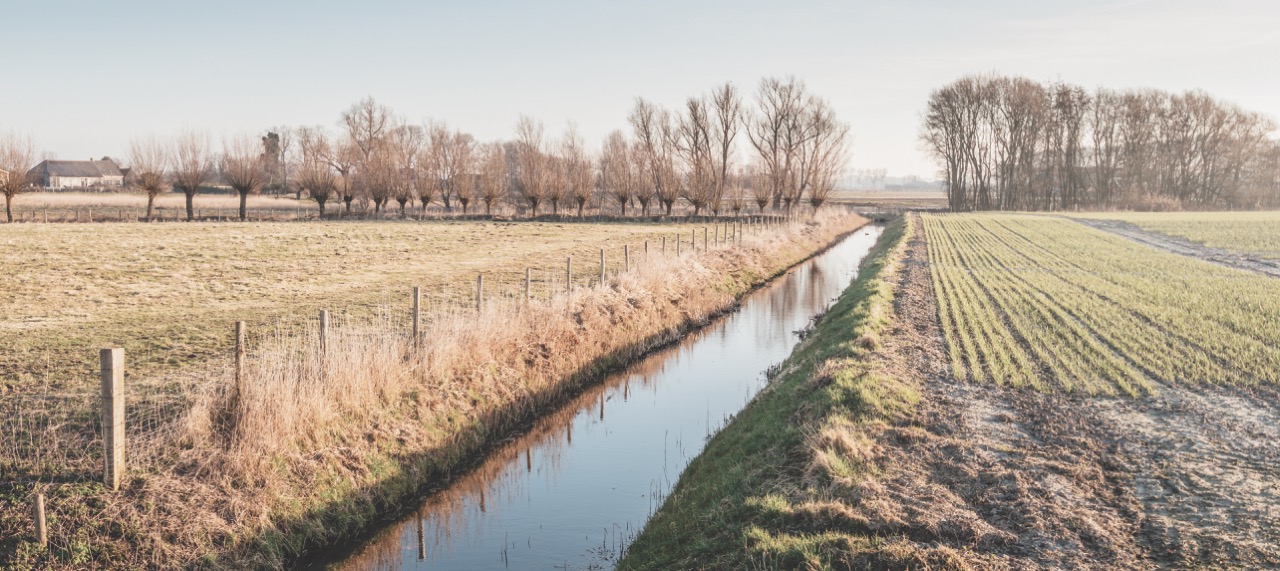
Water, water everywhere, but not a drop to drink. Whether you’re a poet chronicling an epic sea voyage or a homesteader developing your land, the same sentiment holds true: even abundant water is useless if you can’t practically—or legally—use it.
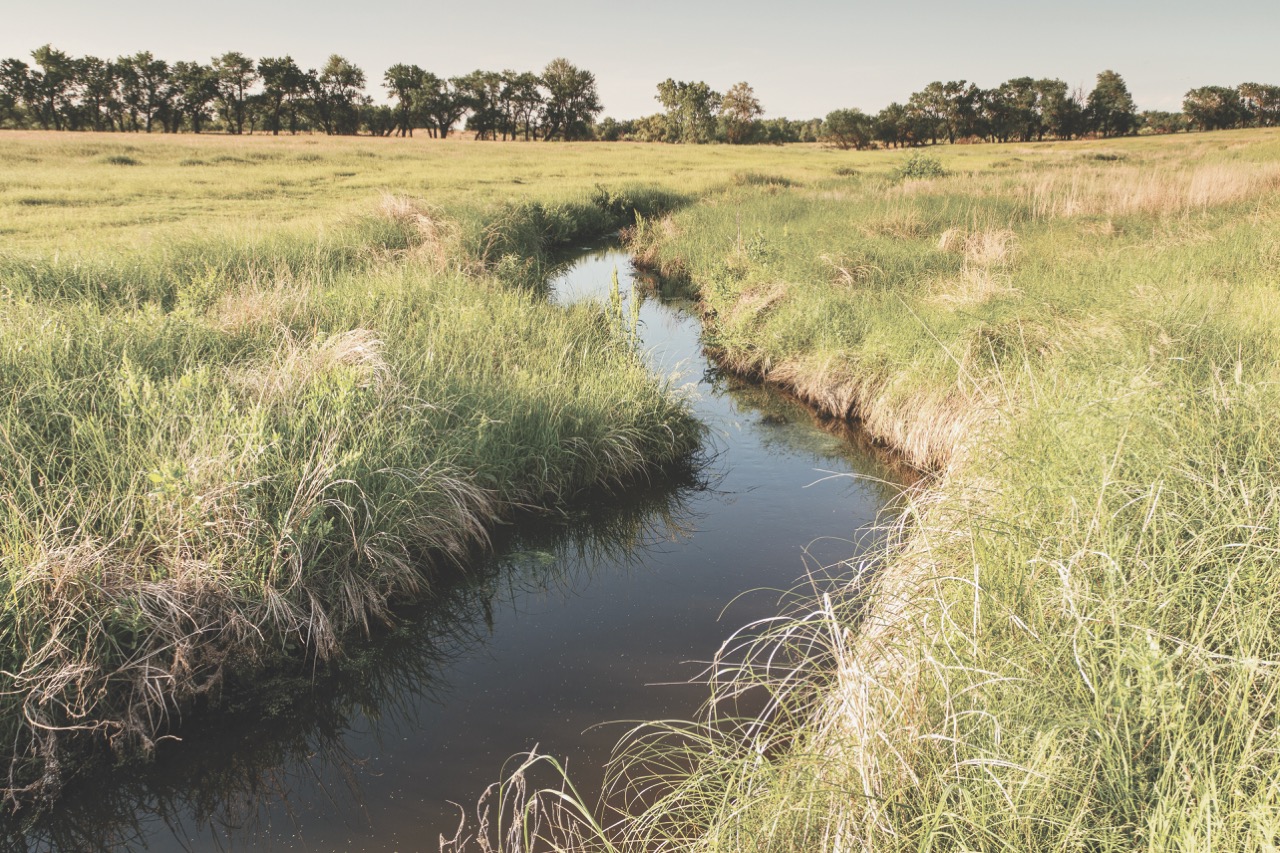
Many new homesteaders assume that if water flows through, over, or beneath their land, they have the unrestricted right to use it. Unfortunately, water rights are far more complex and subject to sometimes strict local, state, federal, and even international regulations.
While I can’t cover all of American water law in a single article, I can offer a broad overview to help homesteaders avoid common pitfalls and potential legal issues. Before making costly assumptions about water use on your land, here are five key things every homesteader should know about water rights in the United States.
1. Water Rights Vary From State to State
Historically in Western civilization, flowing water was treated as common infrastructure—owned by the sovereign and used for defense, transportation, and waste removal. Controlling waterways meant controlling trade, and controlling trade led to wealth. That’s why most major cities were founded along navigable rivers or coastlines. Potable (drinking) water typically came from protected upstream sources, while local rivers supported agriculture and industry, carrying waste downstream and out to sea.
This system worked for a time, until growing populations and expanding cities led to severe pollution and ecological damage. The solution, of course, was to ignore the problem and expand into new territories. Within this framework, landowners held superior water rights. Since land ownership was limited to royalty and the wealthy elite, they assumed that if surface water touched their land and wasn’t navigable enough to belong to the king, they could use it however they pleased. This gave rise to the concept of “riparian rights,” which allowed landowners to divert and use water from adjoining rivers, streams, or lakes for nearly any purpose on their property.
A more egalitarian view emerged in the United States, where riparian landowners still held superior water rights—but their use of water had to be “reasonable” and consider the impacts on other riparian landowners along the same water source.
As people moved westward, water became scarcer, and disputes arose. In response, the “Prior Appropriation” model emerged, based on the principle of “First in Time, First in Right.” Under this system, the earlier you staked a claim to use water for a beneficial purpose, the stronger your legal right became—even over those who acquired land later. Water rights were no longer strictly tied to adjoining (riparian) land ownership, and water didn’t necessarily have to be used on your own land. The right to access, divert, and use water became a separate form of property—independently transferable, like mineral rights. This model is still used in many Western states today, alongside a system of easement rights to transport and distribute water in man-made ditches and irrigation canals.
Today, if you purchase land in the Western U.S. with a creek running through it, but other landowners have already claimed the water, you may have no legal right to use it, despite it flowing freely across your property. And that “creek” through your back field might actually be an old irrigation ditch you can’t legally access or touch. Diverting or interfering with the water’s flow in any way, even to water your garden, could lead to serious legal trouble.
2. State Regulations Are Practically Guaranteed
In addition to the distinctions between Riparian and Prior Appropriation rights, most states now impose specific statutory regulations and licensing requirements for water use. In some states—known as “pure notification” states—landowners need only notify regulators of their intent to use water from a local creek for domestic or agricultural purposes. In others—”regulated” states—the process can be far more complex, requiring permits, inspections, flow meters, regular reporting, and even usage and regulatory fees. Georgia is one example of a Regulated Riparian Right state, requiring landowners to obtain a permit before accessing surface water on their land
Even in the lush eastern states, the modern trend is toward increasing government regulation of water rights, particularly for water quality and environmental protection purposes. Always assume there are at least some additional notice and/or permit requirements for using surface water, even where it is abundant and free-flowing.
3. Regional Water Agreements, Interstate Compacts, and International Treaties May Apply
If you live anywhere near a state or international border, your local watershed may be managed under an interstate or international water sharing agreement, formal court adjudication, or international treaty. These agreements aim to ensure equitable water distribution in areas with scarce resources, and can significantly affect how much water is available for private use. One notable example is the Colorado River Compact, which regulates water usage for seven states along the Colorado River.
Over the years, a series of agreements has shaped how the river’s water is sourced and allocated. Mining companies, Native American tribes, and corporate agriculture have all carved out their shares, significantly impacting how much water is available to private landowners.
Underground aquifers may also be protected or strictly regulated. Take the Ogallala Aquifer, for example. This massive underground water source sustains commercial agriculture across eight Midwestern states, from South Dakota to Texas. However, due to its extremely slow recharge rate, pressure is mounting to limit groundwater withdrawals for all but the highest priority municipal and commercial users to extend the ability to farm the Midwest for a few more decades before it runs dry.
4. You Must Abide by Environmental and Flood Plain Regulations
Even where water is plentiful and unaffected by state regulation, state and federal environmental and flood control regulations can also impact your water and property rights.
For decades, property owners couldn’t develop or use their land without the threat of enforcement actions and costly fines under the Clean Water Act of 1972. This was because the legal definition of navigable waters, specifically “Waters of the United States” (WOTUS), was continually expanded to include almost all surface water in the United States, subjecting property owners to onerous limitations of both their water and property rights in the name of environmental protection.
While there is certainly a legitimate state interest in protecting water quality, the law has often been applied in ways that restrict the development and use of private land. For example, in 2017, a California farmer was fined $2.8 million for violating the Clean Water Act by plowing 22 acres of federally protected wetlands to plant wheat—on land where farming had previously been permitted. John Duarte eventually settled with the federal government, agreeing to pay $1.1 million in civil penalties. While there is admittedly more to this story than just an ignorant landowner stumbling into litigation, the regulatory scheme leading to this action has resulted in many similarly heavy-handed enforcement actions.
This trend was finally halted in 2023, when the Supreme Court unanimously ruled in favor of an Idaho couple facing fines of over $40,000 per day for filling a swampy area on their property to build a home near an inland lake. The Court held that the Environmental Protection Agency’s authority under the Clean Water Act extends only to “streams, oceans, rivers, and lakes” (as commonly defined), and to adjacent wetlands with a “continuous surface connection” to those navigable waters. In other words, the EPA can no longer stretch the definition of WOTUS to include isolated or indirectly connected wetlands, imposing costly regulations on private landowners developing properties far from public waterways.
Even so, homesteaders should understand that if navigable waters or a continuous surface connection to them exist on their property, federal environmental regulations will likely restrict their land use, requiring costly permits or endless litigation to overcome.
Many states have similar environmental regulations and dedicated agencies tasked with enforcing them—typically focusing on water quality, wildlife management, and the illegal diversion or disturbance of natural waterways. In California, the state Environmental Protection Agency (CalEPA) is responsible for enforcing environmental laws and frequently refers violators for administrative penalties or even criminal prosecution. The California Department of Fish and Wildlife has similar enforcement and criminal referral authority under its Lake and Streambed Alteration Program.
Even seemingly minor activities—like clearing brush along waterways or repairing a gravel stream crossing—may be illegal and carry crippling fines. Under the infamous Open Fields Doctrine, regulatory agencies may lawfully enter your property without a warrant to inspect for violations.
And let’s not forget how state and federal governments have used the Federal Emergency Management Agency’s (FEMA) blanket revisions to Flood Zone maps—under the National Flood Insurance Program—to restrict insurance coverage, development, and even occupancy in designated Special Flood Hazard Areas (SFHAs). Appeals are possible, of course, but the burden of time and expense falls entirely on the landowner.
5. Groundwater and Rainwater Collection and Usage May Be Regulated
Even if you have no interest in surface water, don’t assume you can dig a private well, either. While private wells are allowed in many states, they can be expensive, often require permits, and are subject to similar regulations on groundwater access and use.
Even if you have state authorization for a well, local ordinances may also apply. These may include restrictions within city limits to avoid competition with municipal systems, planning and zoning rules governing where to dig, and many other limitations.
If you’ve considered harvesting rainwater instead, many states encourage rainwater harvesting for non-potable home and agricultural uses. But Colorado bans it outright, and other states like Arkansas, Illinois, Nevada, Utah, Oregon, Kansas, and North Dakota have restrictions, too. Some even require a permit and limit how much you can collect and for what purposes.
Water Rights and You
It’s easy to get discouraged when you consider all this. Water rights are a complex web of state, federal, and sometimes international laws that can greatly impact a homesteader’s ability to access and use water. As water scarcity increases and demand continues to rise, regulations are likely to become even more restrictive. This means homesteaders may need to be more strategic about where they choose to live and build in the future.
So, before you begin any project that involves water, take the time to fully research the applicable laws and regulations in your case to protect your homesteading investment and avoid costly legal issues down the road. As with anything, understanding your rights and obligations can help you make informed decisions, prevent costly mistakes, and determine whether you can legally access and use the water on your land.
—————————————————————————————————————
Legal Disclaimer: This article is for educational and entertainment purposes only. It is not business or legal advice, solicitation, or legal advertising. It does not create an attorney-client relationship. Always consult a licensed attorney in your area for legal advice or representation.






Leave a Reply