
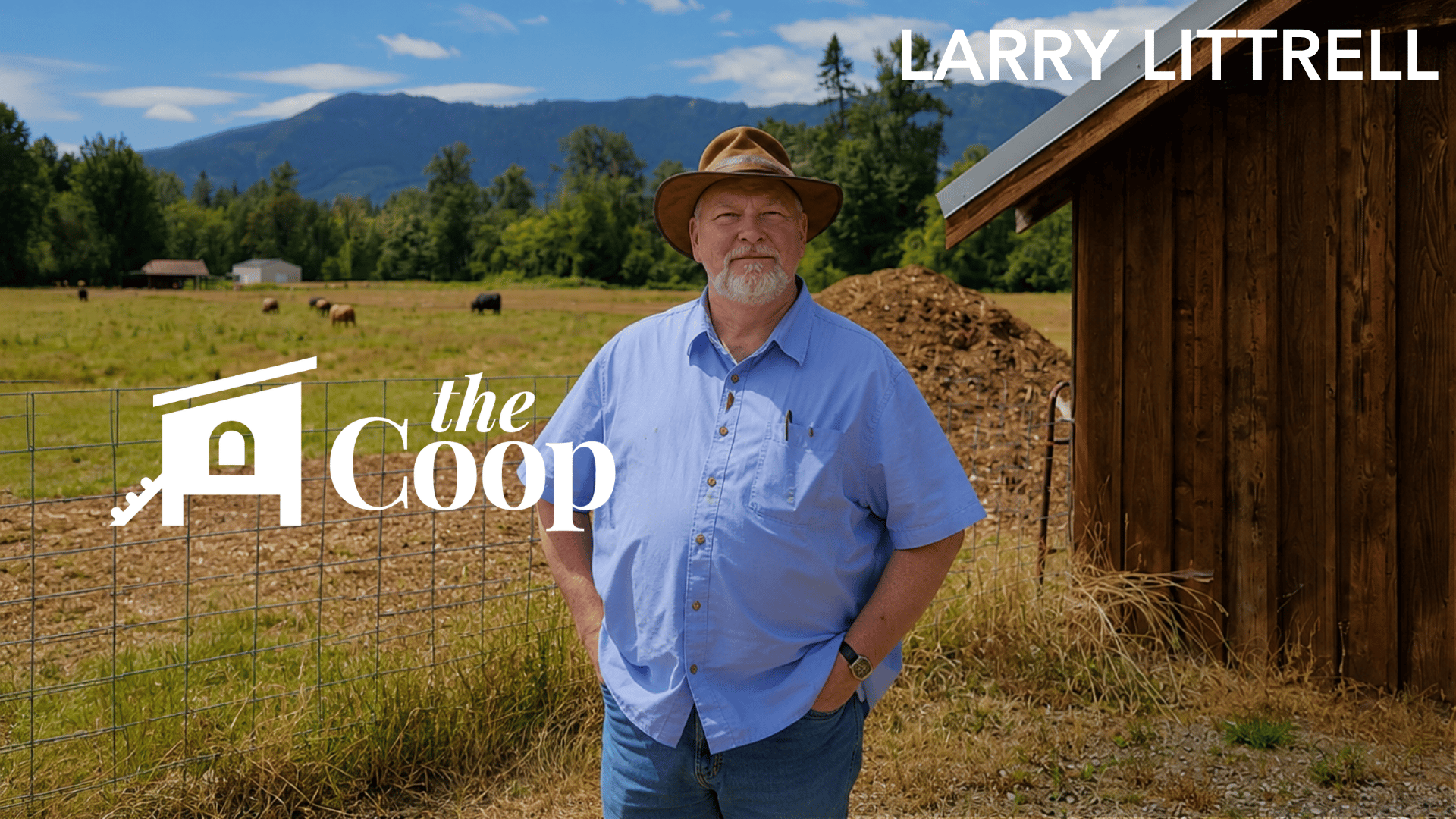



In Episode #28 of The Coop, Anna sits down with Larry Littrell … urban homesteader, specialized real estate agent, and author of Fresh Starts Old Roots. They have an important conversation about one of the biggest decisions many homesteaders face: whether to stay, move, buy, or sell.
Larry brings a rare dual perspective. He lives the lifestyle on a third of an acre while helping families find (or sell) properties that actually work for producing food, raising animals, and building a life of greater self-reliance.
He walks through the practical realities that set homestead real estate apart from ordinary home sales … water access, soil, sun exposure, existing infrastructure, zoning, and the often-overlooked covenants that can quietly restrict livestock or gardens.
He also speaks honestly about the emotional side.
Leaving a place you’ve poured years into can feel like abandoning a legacy. Larry offers a different lens: sometimes the next chapter of your legacy is simply passing the work on to someone who will love it. At the same time, he encourages people not to wait for the “perfect” property before beginning. Bloom where you’re planted (build the beds, plant the trees, learn the skills) because those lessons travel with you.
Whether you’re dreaming of your first piece of land, considering a downsize, or wondering if your current quarter-acre is enough, this episode of The Coop delivers clear-eyed advice and quiet permission to make the decision that fits your season of life.
Listen or watch the full episode right here:
The show notes …
0:00 – Introduction
3:59 – Specializing in Homestead Real Estate
11:20 – The Biggest Mistakes First-Time Buyers Make
14:32 – Knowing When to Stay
23:42 – Buying a Homestead on a Limited Budget
30:31 – Red Flags to Watch Out For (CC&Rs)
39:05 – How to Market and Sell a Homestead
48:05 – The Best Time of Year to Buy or Sell
1:02:30 – The Future of the Homesteading Movement
1:08:46 – The Importance of Community
Larry Littrell:
There’s a lot of how to in homesteading, how to do this, how to do that, but there’s not a lot of conversations dealing with the emotions and the reality of selling your homestead or buying a homestead. A lot of people are thinking that it’s cheaper to buy land to build a house than it is to buy an existing house, and that’s just not true. So I always tell people, buy what you can afford. Don’t overextend yourself. Another huge thing that I see people doing that works out really well is the difference between asking for reduction in price and asking for help with closing costs, points to buy down the interest, things like that.
Anna Sakawsky:
If you’re a mom like me, then you probably know what it’s like to spend way too much time worrying about what’s in the everyday cleaners and body products we bring into our homes and use on and around our families. In fact, a few years ago, I completely overhauled our cleaning products and started making my own vinegar cleaner, baking soda, toilet scrub, and homemade laundry detergent. And while those have honestly worked pretty good, I don’t always have time to make my own cleaners. And if I’m being honest, I don’t always want every surface of my home to smell like vinegar. And that is why I love Rustic Strength. Rustic Strength offers a full line of non-toxic laundry, home and body care products, all made in small batches by a family-owned company in Missouri. Their formulas are safe and effective for real, for real, and free from the junk you don’t want in your home, on your body or near your kids.
Clothes come out clean without overpowering scents. Surfaces shine without the lingering scent of vinegar or toxic chemicals, and you can sleep soundly knowing that you don’t have to worry about what’s in your cleaners and skincare products. So if you’ve been thinking about making the switch to cleaner, non-toxic home and body products, then consider this your sign. Head over to rusticstrength.com today and see why so many moms have already made the switch. Again, that’s rusticstrength.com. Tell them the coop sent you. Well, hello everyone and welcome to episode number 28 of The Coop. I am your host, Anna Sakowski, editor-in-chief of Homestead Living Magazine. And on today’s show, we are talking about something that just about every homesteader will face at one point or another on their journey.
And that’s really whether you are looking to buy or sell or stay where you are and try to homestead right where you’re at. So buying, selling, moving to a new property, whether you’re dreaming of your very first homestead or looking to upgrade to more land or considering downsizing and simplifying, there are a lot of factors to weigh before making that next move. And especially if you’re looking for land to homestead on or you currently have a homestead that you’re looking to sell, it’s very different than just buying or selling a typical house. There’s a lot more to consider. So there are zoning laws and restrictions obviously, which we did touch on back in, I think it was episode 20 that we had with Jacob Lauser, our homesteading lawyer, but there’s much more than that. There’s things like lot size, sun exposure, water access, soil quality, existing infrastructure, outbuildings, fencing, and even just the layout of the land, that all contributes to whether a property is either a good fit or a poor choice depending on your homesteading goals too, and depending on your specific goals, how much you’re actually wanting to do on that land.
And likewise, if you are selling a homestead that you’ve spent years building, you’re not just selling a house, you’re selling a lifestyle, the garden beds, the greenhouse, the chicken coop, the orchard, the workshop that one buyer sees as an incredible head start, that might just look like a long list of chores to someone else. So knowing how to prepare, price and market a homestead takes a different approach than just selling a conventional home. I am definitely no expert on the matter, which is why I’m very excited to welcome today’s guest who is. So Larry Littrell is both an urban homesteader himself as well as a real estate agent who specializes in helping people to buy and sell homestead properties. Raised on a homestead in rural Western Washington and now living in and serving the North Idaho area. Larry understands the unique needs of people pursuing a more self-sufficient lifestyle, whether they’re looking for a quarter acre suburban lot or a hundred acre rural farm.
And he’s also written a couple articles for homestead living on topics like urban homesteading and making the most of a small property as well as what to consider when selling a homestead. And he just published his first book, which I had the honor of writing The Forward For. So it’s called Fresh Starts Old Roots: A Homesteader’s Guide to Knowing When to Stay, When to Go, and How to Move Forward. So what I really loved about this book was that it made me stop and consider our own situation and whether we really need more because we’ve always dreamed of upgrading to a larger property, but we’ve put in a lot of work here too, and it really made me stop and consider whether our little quarter acre is enough because sometimes the question again is not even just about buying or selling, but about whether you should stay or go and what it might look like to make the best of the place where you live right now.
So we’re going to talk about all that and more today and I’m excited to get started. So with that, Larry, welcome to The Coop.
Larry Littrell:
Well, thank you. I’m very, very honored to be here and I just wanted to say thank you for having me on The Coop. It’s a great little podcast. I’ve been watching quite a few episodes lately.
Anna Sakawsky:
Oh, awesome. Well, I’m so glad you are here. It was really lovely to meet you in person as well. We got to meet at the Modern Homesteading Conference a few weeks back, and it’s so funny. I know you from having published your articles and we have your headshot and everything else. And then it was funny because when I met you and I said, “Oh, hi Larry.” And you were like, “Sorry, do I know you?” I’m like, “Yeah, I’ve edited your articles and I wrote the foreword for your book.” But it’s one of those things where if you’re not used to seeing that person, especially in person, a couple people actually came up to me and they’re like, “Is that Anna?” And they said, “I recognize your voice from the Coop.” That how a lot of people know me now is just by my voice. But it was lovely to meet you.
And interestingly enough, I saw while we were at the conference, because you had a little booth set up, and one of the things that you were advertising at the time was you were selling our co-founder, Melissa K. Norris, who’s also the co-founder of the conference, you were selling her farmstead, which we won’t get into detail because I know those are private details, but I think it was really interesting that she obviously chose you to be her realtor. You serve that general area. For anybody listening, it’s not her main property. It was her farm stay, her second property. But I think that from the sounds of it, that seemed to move pretty quick. Is that right?
Larry Littrell:
Yes, it did. Yeah. And I’ve known Melissa for decades where both of our families traveled out to Western Washington from North Carolina back after the war. So I’ve known her for quite a while. And actually the conference itself was something
That really inspired me to go from being a regular realtor to actually specializing in homesteaders. I went to that conference the first year as an attendee and went through it and I kind of was struggling with real estate as far as it being a real calling. So when I went to that, I just felt like the Lord just really spoke to me and it’s like, these are your people. This is who you should be serving. This is what you should be doing. So after that, I totally went all in. I’ve rebranded everything. I’ve totally been focused on homesteaders, a little bit on preppers too, because there’s so many commonalities between those, but really focused on homesteaders. And then the last few years I’ve had a booth there as well as the whole Homestead Living magazine and everything has been such an influence on me and such a support system for me.
I wrote my first articles for your magazine. My book was inspired by things I had learned from the homesteading community. And I feel like it’s just so important to get plugged into this community. If you’re wanting to homestead in any way, I just feel like it’s really important to plug into the community. It’s very beneficial.
Anna Sakawsky:
Yeah, absolutely. Well, and you’re serving a very niche market that I think is starved for expertise in this area as well. Same with, like I said, we had Jacob Lauser on a few episodes ago and he kind of specializes in the law as it applies to homesteaders. And then you specializing in real estate and that sort of thing as it applies to homesteaders specifically. It’s hard to find people in those types of. They have that type of expertise, but that really know this niche industry because it is different. As I said, buying and selling a homestead is different than just buying and selling a house. And if you don’t have a realtor that understands those nuances, it can be hard to maybe find the right fit or communicate exactly what you’re looking for or just know that you’re dealing with somebody who has the type of expertise that you need to find what you’re actually looking for in terms of what you want to do with the land and all that sort of thing, right?
Larry Littrell:
Right. I think that homesteaders especially, they need very specific things from a land and I need to be able to identify that for them. Unlike a typical just piece of land or a suburban house, you think about sun exposure, you think about the quality of the soil, you think about water rights, you think about buildability, especially if you’re buying raw land, you got to think about a water source. And I try to help people avoid some really common mistakes I see when people are buying property and sometimes they’ll be working themselves to death on a new homestead. And the reality is not that they’re not working hard enough or that they can’t be homesteaders. The reality is they bought the wrong property. And if you buy a property that’s really rough for homesteading, you’re just making that much more work on something that’s already a ton of work.
Anna Sakawsky:
Yeah, for sure. You’re just kind of creating a bit of an uphill battle then. And I think for the most part, and we have seen a lot of people that have shown you can homestead in some of the most unlikely places, but you have to consider that there are factors that are going to make it easier or harder for you or more work or whatever. So I’ve got a little no CM. Every time I’ve been on a video call lately, I was on a live thing the other day. I had this one little bug right in my face, so that’s what’s going on. But definitely you want to stack the odds in your favor if you can, right? Absolutely,
Larry Littrell:
Because you’ve only got so much time in the day and you’ve only got so much effort in your body. And so if you can stack the odds in your favor, then you can expand beyond and you can do more with less time and be able to incorporate more into your daily life and into your homestead.
Anna Sakawsky:
So what are some of the biggest mistakes that you feel maybe first time homesteaders make when they’re looking to move onto land or just somebody who’s kind of looking to take that next step?
Larry Littrell:
There’s two of the biggest things that I’ve seen. One is water. You got to have water and people will move on to property and say, “Well, we’re going to haul water and then maybe we’ll drill a well eventually.” And in reality, water should be your number one priority, I feel, because it’s one thing to haul water to water, to provide for your family, no showers and drinking water. That’s one thing. But when you start bringing livestock into it and then you’re trying to irrigate crops as well, that just makes it really, really hard to do. And even collecting rainwater and stuff, that’s great. Well, rainwater is a great supplement, but it can be inconsistent and you could have dry periods where you have nothing and you’re trying to figure out how to do that. And then as far as drilling a well, that’s fine. If you plan on drilling a well, then by all means, that’s a great plan, but you also need to plan on the expenses for dwelling a well because you need to know your water tables and where you’re going to hit water at and how much flow you’re going to have, because if you don’t, you can end up spending tens of thousands of dollars and even possibly having no water.
So water is the number one thing. Another thing I see people do all the time is that they move into property and they immediately overwhelm themselves. They immediately start getting animals, they start getting goats or chickens and milk cow and before they even have pasture. It’s always much easier, I feel, to be prepared for whatever you get. If you get chickens, have the chicken coop ready to just throw them in because that’s another thing is people will try to do things too fast, too much too fast when it’s a process. And I always tell people with homesteading, you’re never done, so don’t feel like you need to get in there and get everything done so you could be a homesteader. You’re a homesteader the day you put your foot on your property. So from then on out, it’s a matter of doing things in a way that you’re going to be able to maintain what you have and grow your homestead into the legacy you’re looking for.
Anna Sakawsky:
Yeah, absolutely. I feel that even again, being on a quarter acre, we’ve been here for about eight years now, I guess, and it’s amazing. We’ve done a ton of work on this property and we did look at, like I mentioned in the intro, the other properties that were within our budget at that point were going to be smaller properties, so most of them are going to be more in town. So this was the best option. And even today, I’m really glad that we settled on this property. It had great bones, so to speak. It had a sunny front yard where we knew we could do a big garden and a fenced front garden area and certain infrastructure that was already established. But we’ve done a lot of work here. And even with just a quarter acre, we’re still doing, just this year alone, we put in a greenhouse, we’ve done more garden beds, we’ve done a front deck here, we’ve built a new compost bin, we’re building a chicken yard just in one year and this is constant.
And I think that there’s always this, not always, but often there’s a wanting for more as a homestead, more land so that you can do more things, bring on more livestock, that sort of thing. But that also, like you say, means more work. You’re never really done at the end of the day. And so do you think there are situations or have there been any situations where you’ve actually maybe encouraged someone to stay where they are or look for a smaller property that’s maybe more limited but more manageable? There
Larry Littrell:
Is. And especially I’m getting older, I’m in my 60s now, so that’s a big consideration for us is the amount of work that we have to put in on a daily basis. And I feel like sometimes it is better to have a smaller portion of land. And another thing that’s kind of related to that, it made me think of it when you were talking was we also like to talk to people about things like what they can do with the property they’re on, because a lot of people will feel stuck in the property they’re on and they feel like, “Well, I don’t want to do anything here because I really want to move in two years. So I don’t want to plant trees. I don’t want to put in raised beds because we might move in two years.” Then before you know it, two years turns to five years and you’ve missed all of that opportunity you had to learn how to do these things.
So we’re actually, we moved over here, we’re on a third of an acre, quarter to a third of an acre. So we’re kind of right where you’re at and we are planning on moving onto acreage with my daughter and son-in-law and her grandkids eventually. But for now, I built all my raised beds, I planted fruit trees, I planted blueberries. Because even if you don’t enjoy the fruits of those, someone will and you’ll have another family that’s moving in. If you do end up moving, you end up with another family that’s coming in and enjoying all that. In the meantime, you’re learning all these skills, how to prune fruit trees and how to raise different vegetables and how to deal with different pests and how to fertilize things properly. You’re learning all these skills that are absolutely invaluable to when you move to your next property.
So I always tell people, one of the talks I do is called Bloom Whe You’re Planted, and it just talks about doing that and developing a small portion of property so you can reap a lot of benefits from it. And I also see people who have large pieces of property and they’re getting to the point where they don’t want to maintain all that property. So they’re actually just scaling everything down into smaller portions so they can have the garden near their back door, things like that. So yeah, I think, did that answer your question or did I get off on a tangent?
Anna Sakawsky:
Yeah, no, I think so. And I mean, yeah, because that’s just the thing. I think about where we’re at right now and we would like to have more, but again, we’d like to have more because we have dreams of, yeah, it’d be nice to add livestock, it’d be nice to do other things. But at the same time, I look at the season of life we’re into, I’m like, could we handle more right now? And then if not right now, well, maybe down the road, but then our kids are going to be growing up and maybe they’ll be moving on. And then do we need that at that point or are we going to want to downsize at some point and will we just end up going back and forth? And we’ve done all this work too and put the work into the place. Do we really want to start again?
We’re kind of entering midlife now and it’s getting harder on both of us, but on my husband too, to do all the building. And depending on the type of property we bought and what sort of infrastructure already existed, we might have to start over again. And so we really have to consider, is that something that we’re ready and willing to do? And to your point too about starting where you’re at, that’s what we’ve done. And we’ve always toyed with that too. Is it better to do all this stuff here or wait until we have the property that might be our forever home? But we thought we would probably be moved by now. If not now, then very soon. And I don’t see that happening as soon as we though if we do move on just because of all sorts of things, the economy and the market and all sorts of different factors.
But we’ve gone ahead and developed it anyway, and I’m glad that we did because like you said, we’re getting to reap the benefits of things that we wouldn’t be able to if we hadn’t done the work a few years ago, if we hadn’t just jumped in. But even if we do sell, like you say, somebody else will hopefully get to benefit from it, but also we’ve learned invaluable skills, things that we can absolutely take and transfer to another property, things that even were maybe mistakes on this property, but that we’ve learned from now and that we go, okay, we’re going to do that differently here or not plant those perennials in the same spot we did. There’s so much value to the learning, and that’s what I tell people all the time too, is start where you’re at because you’re going to take that to whatever property you end up on.
And it’s so much better to come with some of those skills, just like you say, being prepared with the chicken coop before you bring in the chickens, be prepared with some of these skills before you go, okay, now I’ve got the property, now I’m going to do all the things and I have this massive learning curve because I’ve been waiting on actually taking action on this.
Larry Littrell:
That’s part of the reasons I wrote. I wrote the Homestead Skills Journal as well, and I’ll just do a shameless plug here. I wrote this skills journal just because a lot of people are learning those skills and they want to document it and want to be able to see what they’re learning, where they’re learning it from, and where their progress is on that learning. I always tell people, whether you’re in an apartment or a suburban home, you need to develop your skills and there’s tons of ways to do that. And a lot of people I see coming through the Modern Homesteading Conference are doing just that. They’re in an apartment or something, but they want to develop their skills for later on. And then the other end of the spectrum is older people who are thinking about moving off their homestead. There’s a lot of decisions to be made.
It can be crushing to think that you’re leaving your legacy behind. So that’s part of the reason I wrote the book was to give people permission to move on to the next stage of their legacy. Because sometimes I have older people who are in their 70s and they just can’t, they can do it, they can still do their homestead, but they honestly don’t want to. They’re just tired and they want to travel and see their grandkids and they want to do all the other things that homesteading makes very difficult. And it’s kind of important that they have their permission to say it’s okay to leave this legacy to someone else and begin your own legacy, which might be your retirement.
Our legacy continues long after we pass away. And one of the neatest things for me that’s happened in my life was my granddaughter came to us a couple years ago when she was eight, she’s 10 now, going to be 10, and she told me that she wanted a garden. And so we went to her house and we put in some raised bed gardens and she started her own little garden. And every year we have the great potato hunt where we have all the grandkids come over and they dig through and get all the potatoes out. And every time a grandson comes over, he wants to pull carrots and pick blueberries. They were just over here last night picking blueberries, but that’s my legacy. What I’m doing here now is not my legacy. My legacy is in my children, my grandchildren, and everyone else that I help.
Every new couple that I help find a homestead and they’re just trying to figure things out, that’s my legacy because that’s my goal, that’s my legacy because that’s kind of all you can leave is what you leave in other people.
Anna Sakawsky:
That’s amazing. And it reminds me of this saying that I always say, or I got from actually one of our contributors, Shay Elliott, she says this on her podcast all the time, but they talk about better not more. And I think again, where there’s always this idea of, I want more, I want to be able to produce more, do more, all that. But sometimes it’s about the quality of what you’re doing and the quality of the legacy that you’re leaving. And I think back to really where this all began for me was gardening with my grandpa and he lived on a suburban lot and just had a small backyard garden, but that’s where this love of this first was sparked. And then years later, look at how that’s manifested. So yeah, absolutely. I love the idea of your legacy can look differently and can manifest in different ways.
Larry Littrell:
Right. And there’s so many decisions to be made when you’re thinking about buying or selling a homestead. It’s very emotional. I’ve noticed that there’s a lot of how-to in homesteading, how to do this, how to do that, but there’s not a lot of conversations dealing with the emotions and the reality of selling your homestead or buying a homestead because there’s a lot of that involved. There’s a lot of almost guilt can be, a lot of people can feel that when they give up on a homestead. But in reality, what you’re doing is you’re taking what you build and you’re transferring it to someone else who’s going to love it and enjoy it and benefit from it.
Anna Sakawsky:
Yeah, absolutely. Okay. Well, we’re going to get into a little bit more about selling a homestead in a minute, but I do want to back it up and talk a little bit more about buying a homestead. So there are some real constraints obviously that people are facing, and one of them is budget, especially in this economy and with the housing market being what it is. So again, just relating it back to our life, I know that we though that we would be moved on by now. And as events have transpired over the past few years, it’s making that look like the timeline might be further out or maybe that’s not going to happen at all. And I’m sure a lot of people are feeling that, feeling maybe stuck where they’re at or maybe they’re ready to move, but maybe they need to scale back on what they thought was possible.
So if somebody is working with a limited budget, what advice do you have for them? Do you think it’s better to look for maybe less land, but that has more established infrastructure or maybe look at more, if you’re wanting more land, look at more acreage, but maybe now you’re looking at raw land and you have to consider the expenses after that. What are some things you should factor in or look for if you’re kind of constrained by your budget?
Larry Littrell:
Well, one of the major things I see a lot is that people don’t consider the cost of, if you buy property and you buy raw land, a lot of people think, well, it’s cheaper. I’ll just buy raw land. And it can be, but also raw land is generally a much larger down payment. And then you’re making payments on a piece of dirt. You’re not living there, you don’t have that potential. And a lot of people are thinking that it’s cheaper to buy land to build a house than it is to buy an existing house, and that’s just not true. These days, especially with the permitting process and well drilling and septics and construction, the lack of really great construction, some struggles with some construction companies, it could definitely be more expensive to build than it is to buy an existing house. Another thing that people, I’d really recommend they really factor in, it’s huge, is infrastructure.
Barns, fencing, chicken coops, they are very expensive. All those materials cost a lot. So if you get a home with some hay storage and a pole barn and some decent corrals and a fenced pasture, although the appraiser may not look at that and check off like it’s a big deal, homestead is a big deal. Maybe they have an established garden and maybe you don’t want to use that garden forever, but you can use it while you’re developing the rest of the property. So I really think that it’s really important to look at the infrastructure on a house because I would buy a smaller house, maybe something that needs some work, but it has a great infrastructure to it. And of course the land itself, what’s the land itself looking? Because with the homestead, I just feel like especially if you’re planning on being there a long time, the condition of the house can be improved and you could do so much with remodeling and things like that.
But as far as where the land is, the use of the land and the infrastructure, that’s much harder to address. And as far as saving money, there’s a lot of different lending things you can do with different lenders. You can ask the sellers to pay your closing costs. You can ask the sellers to pay points towards reducing your interest, which can be very helpful with your monthly payments, which that is a big issue right now. And then actually sometimes you do need to maybe. A lot of people have the mindset is I’m buying this property and it’s going to be my forever home. Well, the problem is that if you’re, I don’t want to pinpoint anyone, but if you’re younger, you don’t know what your forever home even looks like because maybe you’re going to start a family and you don’t have a family.
Maybe you’re going to get a job transfer, maybe you’re going to get a great job transfer somewhere. So you don’t necessarily know what your forever home even looks like at one point. So I always tell people buy what you can afford. Don’t overextend yourself. Buy what you can afford and then decide if that doesn’t work for you, then you could always get a better, bigger place later on down the road. I think it’s a great idea to start with a home in a neighborhood that maybe one that doesn’t have an HOA that restricts chickens and things like that, and to learn all the skills and to put the gardens in and to start there and then move up. I think you’re really burdening yourself if you’re saying, “I want a place that I can live on for the rest of my life so my kids can inherit.” And that’s fine if you got a couple million dollars, but if you’re on a budget, then I think you should start where you’re at and start with something you can afford without stressing yourself out.
Anna Sakawsky:
Yeah. Yeah. I definitely agree with that and that’s how our trajectory has been. And again, we’re kind of in that middle stage right now where we might look for more land eventually, but we’ve been able to grow along with the homestead. Each subsequent place we started in a condo when we were really just doing our learning and then we were on a rental where we were able to do more because we actually had some land to work with and the landlords let us put in a garden and they had an apple tree. And so we again, learned some of these skills, dabbled with canning and gardening and all this stuff. And then now have this quarter acre, but we’re raising chickens and we’re growing a big garden and we’re doing that stuff. And then if and when we’re ready, then we’ll be able to take that next step skill-wise as well and come with this foundation.
And again, back to your point, you were mentioning too that when it comes to selling a homestead, and you mentioned seniors maybe downsizing and wanting to retire and travel and that sort of thing. And that’s I think something that you need to consider throughout your life too in different seasons. Like I say, we have young kids right now, but we still want to be able to do road trips and go camping. And when you have a lot that you’re tied to and a lot that you’re paying for, especially if you sink a lot into a large property that needs a lot of development, a lot of infrastructure, all of your resources, time. Energy money is going to that, and there’s little leftover for anything else. I think these are just all really important things to consider because I think it can be easy to get really wrapped up in the dream, but for everything you say yes to, you’re saying no to something else.
So if you’re committing to this, you’re taking those resources from somewhere else. Now you did mention starting small, you love the idea of maybe starting in a more suburban setting and growing from there, given that maybe you’re not in a restrictive HOA or something like that. That can be a major red flag, I’d say. What are some red flags that immediately would make you tell buyers to walk away or that’s not going to be something that you’re going to be able to fulfill your goals on? A
Larry Littrell:
Lot of it has to do with basic, what we call them here, we call them CCRs, which are covenants and restrictions, and those are written into the title of the property. So those are rules that last indefinitely. So I just looked at a 20 acre parcel with someone and it said it was 20 acres, it was out in the middle of nowhere, and there were restrictions on shooting, restrictions on shooting a bow and arrow. There were restrictions on that. There were restrictions on having goats. There were restrictions on riding a four-wheeler. There was all this stuff, and I’m like, what were they thinking when they made these restrictions up? And they had been on the market for a while, and I understand why. No growing more food, no growing any food other than producing for your own family. So basically you couldn’t grow, have a little sourdough stand out there or whatever.
So the CCRs are super important, and I’ve had multiple deals where that’s kind of the first thing when someone sends me a property and says, “Hey, I really like this property,” I’m going to immediately get hold of the title company and find out what the CCRs on. A lot of stuff up here in Idaho doesn’t have any CCRs, so you do whatever you want. But there’s also a lot of newer developments, even developments on two acres or 10 acres that have very restrictive covenants. So that is the number one thing that I look for is those types of restrictions. And then when I go into detail with people about what they can do, there’s different counties. I live in Kootenai County, which is where Coeur d’Alene is, and so it’s more restrictive than the other counties around us. So that’s a conversation we need to have with them as well.
Anna Sakawsky:
That’s wild that there would be those kind of restrictions on a 20-acre parcel. I think about smaller parcels and that are more residential, certainly, but that’s crazy. So yeah, good point to check those and don’t assume anything because I would assume that when you’re talking that size that they wouldn’t have those kind of restrictions anyway, at least not that much. I’m interested too in zoning changes because we’re seeing this happen a lot. I think it’s happening in the states to a similar degree. It’s happening up here in Canada, but where maybe folks bought a while ago and they were zoned rural or something and they were able to run a small hobby farm or grow food and homestead and do all these things. And now they’re seeing these sweeping changes come in where they’re changing the zoning bylaws and what they’re actually able to do.
And this has actually caused some major issues in some communities close to home, a little too close to home quite honestly, a little worrying, but where there are people who have established homesteads and are now basically being told that they can’t, can no longer operate the way they’ve been operating because there’s zoning changes. I know this is hard to predict, but is there anything that we can. Or you see down in the states, you have to mention the data center thing that’s happening right now and coming up and buying up all this rural land and affecting water supply and energy supply and taking over people’s properties. Is there anything we can do to hedge against these things or what would you say to people that are maybe concerned? Even where we are, we’re rural residential now, but we’re only a few properties away from the town limits.
So I could see them expanding that eventually and that could affect then what we’re able to do here. And that’s our biggest consideration. I would probably be happy to stay here if I knew that we were forever going to be able to operate the way we’re operating, but I don’t know that. And so if that’s on somebody’s mind, well, what about down the road, what would you tell them?
Larry Littrell:
Well, for starters, different states can be drastically different in how they do that zoning and there are restrictions on homesteaders, on the whole homesteading life as far as livestock and growing your own food and selling raw milk and making homemade sourdough products and things like that. States can be very different. And honestly, that’s why a lot of people have been moving over to Idaho in general. Idaho, Texas, Florida, those are all some areas that homesteaders are flocking to. Texas and Florida, way too hot for me, but some people like it. But that’s part of the reasonings between that they’re leaving there is because not only the zoning changes, but just general government oversight and government control that they’re trying to avoid, and that includes the zoning changes as well. I’ve seen in North Idaho, the zoning that we have, the changes that we have are generally actually less restrictive.
They’re taking a place that’s zoned 20 acres and making it five acres or taking a place that’s five acres and allowing some development. So I think that’s why people are trying to move a little ways out of the cities now because the reality is that places that are good for homesteaders are going to have more homesteaders moving in and they’re going to have them coming for other states. And that’s what we’re facing here in North Idaho. We got room for everybody here, but we’re just trying to make sure that people have not only a good place to buy now, but a place that in the future is going to continue to be good for them. With Washington State, I deal a lot of Washington State. I used to live in Western Washington, so that’s kind of my old circle of influence, if you will. And so I still help a lot of those people are moving out of Washington State and I’m helping them do that.
There’s quite a few reasons, I don’t want to get off on a total tangent, but there’s the taxes and restrictions are some of the reasons they’re moving out. So it’s just a matter of finding where’s less likely to be so restrictive on homesteading. And it seems like it’s definitely a state by state issue.
Anna Sakawsky:
Yeah, absolutely. And having a little bit of foresight into that just by taking the temperature, I think of the way certain states and the world is going and everything, I can see being – Look at our
Larry Littrell:
Legislation. So Idaho has legislation that’s being pushed through right now that’s going to say that HOAs can’t restrict chickens. We can’t stop you from having chickens. And that’s a rural, that’s a good homesteading win for everybody. And there’s a few other, and we’re much more progressive about being able to sell raw milk and things like that. I know there’s so many restrictions on that in a lot of states, but yeah.
Anna Sakawsky:
Yeah. Okay. Well, great advice. Okay, so let’s talk a little bit about selling a homestead. This episode is brought to you by Azure Standard. Family owned since the 1970s, Azure Standard is on a mission to make real food more accessible by delivering it straight to your doorstep or to a convenient local drop point near you. Everything they offer is completely organic, non – GMO, and free from junk additives you don’t want in your home or in your body. With more than 13,000 carefully vetted products, Azure Standard makes it easy to stock up on what really matters from bulk grains, nuts, and healthy oils to fruits and vegetables, frozen meats, pantry staples, and even clean household goods. And the best part is you skip the grocery store markup. You can order exactly what your family actually needs, save big on high quality food, and pick it up alongside neighbors who care about the same things you do, health, sustainability, and supporting ethical producers.
You head to azurestandard.com right now to get started. Again, that’s azurestandard.com. I mean, we kind of alluded to the fact that selling a homestead is different from selling a house. There’s emotions that go into it, you’ve done years of building and everything else. That part of it, everything that you’ve put into your land affects how you go about selling it, but there’s also the buyers to consider as well. And like you had mentioned that one buyer might see a greenhouse and a chicken coop and even garden beds as a head start and work that’s been done for them while another one sees them as work that they now are going to have to do. So how do you market a homestead to the right buyer? What sort of features should you highlight and what does make it different from just selling a regular house?
Larry Littrell:
Yeah, I think that with a homestead, there is with having a YouTube channel with the tours on it and having a list of people who are looking to buy homesteads, they’re a different market, but also there are a lot of people who want to do that. And your property looks different to someone who’s wanting to buy a getaway on five acres and someone that wants a homestead on five acres. Those can be totally different. You can have a pile of fence posts or a pile of old tin, and to some people they would say, “Get that junk off there.” But to me, I would say no, leave it on there and see if they want it because there’s a lot of different appeals that a homestead has and homesteaders generally aren’t quite so picky about everything looking brand new. They want everything to be in good repair, everything to be functional, everything to help them along in their journey is what they’re looking for.
So it’s kind of important to make sure that what you do have is in good shape. And especially if it’s just ready for them to just move their homestead off or get animals right away, that’s going to be very appealing to a homesteader. And it is a different crowd and it’s just a matter of working with other realtors who work with homesteaders, which I’m finding a network of that because when I started this, I couldn’t seem to find anyone that specialized in homesteads because I might have someone leaving Washington that wants to move to Tennessee. Well, then I can say, “Hey, I got this great guy, Tim Ng down there, and he’s going to be able to help you out.” Developing that network, and I think that’s another benefit of wherever you’re selling or buying it, whoever you use, I think it’s a great thing to have a realtor who really knows the homesteading thing and has made connections with other homesteaders so that you’ll be able to get the best service and be able to have your property put in front of people who are going to be homesteaders.
Anna Sakawsky:
Yeah, absolutely. And I mean, I’m guessing that the best way to do that is just start searching, do your Google searches for your area and try to see if there’s anybody that specializes in that in your particular area. Do you help anybody outside of North Idaho or are you really limited to that area as far as obviously the properties that you’re helping to sell, you’re working within that area, but do you offer advice to anybody from other jurisdictions or how might you be able to help them?
Larry Littrell:
Absolutely. Yeah, that’s one of the things I’ve started to do recently and it’s really, well, the last couple of years is build my network. So I want to be able to help. I service all of Washington State and North Idaho, that’s kind of what I service. I don’t do buyers over in Western Washington obviously, but I can help them sell their home. And then they may be going to Texas or I had friends going to Texas and friends going to Western Tennessee and some people going to Florida. It’s like I have agents down there that I can hook them up with that actually know what they’re doing. So that’s been really beneficial. And I also love doing that. If someone just calls me and says, “Hey, we want to sell our house and we’re looking to move to Nebraska,”
I love doing the research and finding who can I connect with out there? Who is another homestead person who’s going to be able to know acreage? And as I’ve done this more with homesteaders, it’s like the homesteaders and the farm and the ranch kind of go together. So I’m having people contact me about farms and ranches and large acreage properties because there’s no one else doing that. They’re looking at realtors that are selling condos downtown and then they’re trying to sell a ranch. It’s not the same. So I do help refer people and help people find their way. And honestly, I really enjoy doing that. I really
Anna Sakawsky:
Enjoy
Larry Littrell:
Connecting people. Yeah.
Anna Sakawsky:
Well, and obviously I’m sure it’s a huge help because it is such a very specific niche market, and if you are not marketing it to the right crowd, then like you say, some features are going to be viewed as kind of an albatross to regular buyers that are looking for more of a turnkey ready home. So that being said, whether you’re selling to the homesteading market or just in general listing your property, what are some things that homesteaders should consider doing maybe around their property, tidying up or getting rid of or highlighting when they’re ready to list their property?
Larry Littrell:
Yeah, I think for one thing, if it’s literally junk, you need to get rid of it. Old broken equipment that I’ve seen, large equipment that’s never going to see use again, it’s just a large chunk of metal that someone’s going to have to deal with. Some of that stuff needs to be done. A lot of people will want to sell in the springtime if it’s an issue, when their pastures are greener, when everything just looks better, that’s a timing issue. And sometimes you can do that, sometimes you can’t. A lot of people want to make sure all your infrastructure, your fences, your gates, everything looks like it serves a purpose. And then if you have garden beds, even if they’re neglected and you haven’t. If you have a garden area with raised beds and it’s completely grown up and just nature is taking it back, clean those areas up and just make them clean, just make them all cut and looking neat because even though people are homesteaders and they can look past some amount, what they don’t want to look at a homestead and see, “Wow, this needs a lot of work.” That shouldn’t be their first impression.
It should be, “Wow, there’s a lot of potential here and I can use this and I can use that and we can do this right away.” That’s the reaction you want to have. And that’s why it’s good to have a third party walk through and see it as a buyer’s point of view because we get so attached to our land and we love it so much that sometimes we don’t see what buyers see. And so it’s very important to have someone walk your property and tell you, “You need to do this, you need to do that, and we could make this look a lot better if we did this.” And there’s a lot of other little tips that I give with making sure the roof is cleaned off, making sure the gutters are clean, making sure preparing for an inspection when you do sell it, making sure everything’s in order there.
I also, a little bit off the subject, but I also needed to note that a lot of times homestead realtors like myself, they might put your listing somewhere other than just stick it on that multiple listing service. They might, for instance, with me, it might go in a horse magazine, it might go in a. There’s a prepper’s survival, it’s called Survival Realty is what it’s called. It’s like, yeah, I belong to it, and preppers go there to look for properties. So even if you’re having a homestead, if you think it might work for a prepper, that might be a good place to have your property. So there’s alternatives to just the standard way of advertising things. And like I said, I think the main thing is when you have an uninvolved person walk onto your property who’s acting as a buyer or thinking like a buyer, you want them to look around, and like I said before, you want them to look around and say, wow, there’s a lot of potential here.
Maybe it’s not perfect, but there’s a lot of potential here. There’s a lot of outbuildings that I could use. These buildings are in decent shape. They’re not completely crammed full of junk. So it’s like I see a lot of potential here. And instead of walking in and saying, wow, this has been neglected and this needs some work, so we’re going to have to do a lot of work just to get it up to being usable.
Anna Sakawsky:
Yeah, that makes sense. So simplify, clean it up, and show the bare bones, show the potential. So you mentioned spring being a really good time to sell, and I think what a home said at that time of year, things are just starting to grow maybe as long as you’ve done your cleanup from the last year, nothing’s overgrown and jungly yet, which you might think summer would be a great time to sell because everything’s in full bloom and full production mode and everything, but that can also give that perception of it feeling maybe a little bit overwhelming too. So what about buying? Is spring also a good time to buy? Does that match up? Or if you’re looking to purchase a home, when would you say to go and look at it and you’re going to get the best idea of what you’re actually going to get?
Larry Littrell:
So it has changed the last 10 years that I’ve been in real estate. It used to be that spring was middle of March, people really started looking. Buyers started getting pre-qualified, they started looking for properties. Now I’m finding people are doing their new year’s resolutions, and by the middle of January, they’re getting pre-qualified and they’re starting to look for properties. There’s no properties out there yet, but that can be a prime time to, even though it’s a weird time of year as far as homesteads goes, because there’s nothing growing, it’s right in the middle of winter, that could be a really good time to sell as well because the market’s reduced. There’s not much on there and there are already buyers out there looking for, this year we’re going to buy. So they’ve got their stuff in order, they got their pre-approval, they’re going to start looking at homes, and it’s February and it’s still snow on the ground, but if something comes up, they’re going to be hungry for it.
So early spring is a competitive time, but it’s also when most of the listings come on.
However, saying all that, that is with the typical real estate market. I’ve noticed with homesteaders and homesteading that it’s a little different. It’s more drawn out. It’s more like a lot of homesteaders just put their home in the market when they’re ready. It doesn’t matter what time of year it is. They might want to wait till spring, but they’re like, “Well, I really have this opportunity, so I want to put my house on the market now.” So that being said, homesteading would be a little different. It’d be a little more spread out. Typically, summer can be the worst time to sell because it’s family vacations, school’s out and all that stuff. But like I said, with homesteaders, it’s more balanced. It’s more balanced. I’ve signed a contract for homestead on Christmas Eve. And there’s also opportunistic buyers. That’s another thing with being a buyer. My daughter and son-in-law, they bought their first house together, and I secured that house on July 4th.
So it was on Independence Day that we bought that house. And sometimes you can take advantage of the holidays if you’re a buyer because it’s quieter and you can get in there and make a solid offer on something. And if you have a house that’s been sitting a while and then you make a solid offer on it, it may be accepted when if it was springtime and they were having tons of showings, it might not get accepted. So yeah, it’s kind of a complicated answer, but homesteading is definitely different than just a regular house. You’re going to find more opportunities spread throughout the year. Spring is still the best though, for really for both.
Anna Sakawsky:
Right. Okay. Okay. That makes sense. And then what kind of bargaining chips might a buyer have going into buying a homesteading property? Is there anything that they might be able to say, “Okay, well, could you reduce the price because of such and such, or could we make sure that this is included in this?”
Larry Littrell:
Well, some of the things I’ve noticed, a lot of homesteads, they do need repair and sellers will say things like, “Yeah, we’re going to re-roof the barn before closing and we’re going to redo the fencing along the south side before closing.” Sometimes a buyer can come in and say, “Hey, look, we want your place as is. You don’t have to do anything else.” They could even do what they call a pre-inspection. So a lot of times when you buy a house, you do an inspection to find out how good it is. They could even do a pre-inspection before their offer, and then after that, they can say, “We’re not even asking for an inspection. We’re going to buy your house straight up. We’re going to close in a reasonable amount of time or we’re going to buy it exactly the way it is.” And that’s a big factor.
Another huge thing that I see people doing that works out really well is the difference between asking for reduction in price and asking for help with closing costs, points to buy down the interest, things like that. So when you are a buyer and you’re going to approach a seller and you’re asking them to come down on their price, that’s a hard thing. They’re saying they really think their house is worth this much, now you’re offering them less for it. It’s kind of like an emotional pain for them. If you come to them and say, “Hey, I’m going to give you full price for your house, but I need $10,000 because we need help with our closing costs and this and that,”
Then they’re much more likely to say, “Yeah, we’ll help you guys out with that. We’re getting full price for our house.” It’s kind of weird because it’s all the same money, but psychologically with sellers, it can help them deal with the loss, if you will, of the equity easier. So I found that really successful. That’s one of the tips I always tell people to push for. If you want a deal, try and get your closing costs paid or a reduction in your interest rate because those things pay off long-term. If you get just a 10 or $20,000 off the price, that’s going to be pennies per month. I mean, it’s not even going to really count. So that’s one thing I always recommend.
Anna Sakawsky:
Well, that’s a really good tip too, just the way that you approach it and the way you word it. And I think that this is a generalization, but I do think that when you do approach it that way, that, “Hey, we really love your property too. We could just use some help with closing costs to make sure that we can make this transition happen and everything,” most people are going to be more willing at least to work with you on that than were you to say, “Hey, I just would like to offer you less basically because I don’t see the same or the interpretation then is that I don’t see the same value in it as you do.” And that can rub some people the wrong way, especially because as you mentioned, it’s quite an emotional transition to make, especially if somebody’s put years of their life into it and everything else.
So you do talk a lot about this obviously in your book, and I do really appreciate that because this is something that’s so personal and a lot of realtors I think maybe don’t understand that because they’re just in this business where they’re buying and selling houses all the time. It’s a commodity to them, but this is something that even just houses, people have lived there for years, this is their whole life that’s gone into it. So I really just appreciate how you address that part of it. So how do you help people navigate that side of it when they’re deciding whether to sell and who to sell to even? Because I think part of this as a homesteader too is you want to hopefully be selling it and passing it on to somebody who’s going to appreciate the work that you’ve put in, hopefully take advantage of some of it.
And I think one fear maybe for a lot of people is I’ve done all this work and then somebody’s going to buy it and just rip everything out and put in a lawn or something. And that can be one of the most emotional parts of it. So how do you help clients navigate that side of the process and what advice would you give to anybody who’s wrestling with this idea of whether to stay or go?
Larry Littrell:
That’s a really good question because especially as real estate, we’re quite restricted on what we can do as far as there’s a lot of protective classes, we can’t talk about family, we can’t even say master bedroom. It’s a primary bedroom now. I mean, there’s a lot of restrictions on that type of thing. We can’t steer or target anyone away from a certain property. So we can’t go through our buyer’s list and say, “I don’t think that’ll be a good fit,” and not send them. We have to expose it to everyone. So I think the best thing you can do for that is the fact that naturally my audience is homesteaders. I can solicit to homesteaders all I want to. I can send out my emails to my homesteader buyer list. I can have a YouTube channel that’s oriented towards homesteaders. So once again, finding a realtor that deals with homesteaders and acreage and farms is probably your best bet to be able to get it exposed to as many people that fit that as possible.
And being said, I mean, as a seller, you decide who you buy and sell from. I mean, it’s just a touchy subject because all you can do is find someone who’s really working with homesteaders. That’s really all you can do as far as, because you don’t want to cross the line, you don’t want to be discriminatory or break any laws or anything like that.
So yeah, and the thing is that if you have a homestead and it’s a working homestead and it’s not developable, they can’t break it into quarter acre lots, it’s zoned 20 acres, it is 20 acres and it’s a homestead, chances are you’re going to have a homesteader that’s going to want to buy it as well.
Anna Sakawsky:
Right. Yeah. Well, and that’s where we’ve kind of considered we’re on a smaller lot. We might have, if we decide to sell buyers that are coming and looking that are just looking for more of a suburban residential property. And so this is where we toyed with the idea of do we convert the entire front lawn into gardens? But again, we don’t know, this might be the further home. We don’t know. So we didn’t want to wait on that. So we did it. And I think for the right buyer, it will be the right fit if we decide to sell. And luckily we’re in an area where there are a lot of people, even the smaller properties, almost everybody has a garden around here. There’s a lot more interest in that sort of thing. But still, because of the type of property it is, we’ve really had to consider that.
Is that going to be a selling point down the road? And I like the idea of finding a realtor that can match you with the right people, but the reality is that that’s not always necessarily going to be possible in every area. So I mean, what would you say the next best bet would be and/or what are your thoughts on doing for sale by owner in a situation like this?
Larry Littrell:
Well, for sale by owners, that can work. Honestly, it’s a lot better when the market’s better. Right now the market’s kind of soft, so it’s tough for sale by owners. It’s doable. You need to just make sure that you don’t cross any lines because a lot of the state and federal laws apply to homeowners as well as the ones that the realtor has to follow. I think one of your best bets is like you were talking, whether it’s 40 acres or whether it’s a quarter of an acre, if it’s set up for homesteading and people come in and see, like even my house got eight really nice raised beds. It’s got a little, what I call a food forest. It has a bunch of trees with berry bushes underneath, and it’s kind of like you’re either going to have someone come in and say, “I don’t really care about that stuff.” Or you’re going to have someone come in and say, “Oh my gosh, this is incredible.
This is exactly what I’m looking for.” When you hit those people, that’s when your value goes up and that’s when you sell quickly and for your full prices, that type of thing. So whether you’re for sale by owner or listing with a realtor, either way, That’s what you want to appeal for. So I wouldn’t worry so much about whether your property’s going to appeal to a non-homesteader because there are so many people involved in this right now and so many people who want to be involved in it, that you’re going to have people that come to your property and say, “Oh my gosh, this is my dream. This is what I want for this property.” As far as for sale by owners, like I said, it can be successful. I mean, especially if your property is priced properly. Sometimes I always tell people when I go out and I price their property, it’s my job to tell you the truth and to tell you what the market will bear.
It’s not my job to agree with you or tell you what you want to hear. Because if I’m just going to come out and tell you what you want to hear, then
What good am I? We’re just going to put your house on the market at a ridiculously high price and it’s not going to sell and you’re going to get mad at me and you’re going to choose another realtor, maybe two or three realtors down the line, you’re going to figure out that your house is overpriced. So I always be straight up with people about that type of thing. And typically for sale by owners do sell for less. Also, people expect deals when it’s for sale by owner because they know you’re not paying a commission to sell it. So they’re going to come right off the top and try and get that commission back from you, which defeats the purpose of selling it on your own in the first place.
Anna Sakawsky:
Right. Yeah. Almost like the buying raw land versus buying smaller land, but with the infrastructure in is there’s maybe hidden costs. It might look cheaper up front, but you’re going to be paying probably somewhere else, right?
Larry Littrell:
Exactly. Yeah. Yeah.
Anna Sakawsky:
But I really like what you said about just don’t worry about trying to appeal to the non-homesteader crowd, for example, like us toying with like, oh, do we take out the lawn? Is that going to be. The right person will come along and it’ll be the right fit for them. And I like that you kind of mentioned that this movement only seems to be growing, that there’s more people coming into this. I would imagine that’s the case just with the way the world is going. There’s going to be more people that are interested or that see value in a property where they can produce some of their own food and that sort of thing. But as somebody who is in this industry on the daily, somebody who’s helped many families buy and sell homesteads and somebody with a unique perspective and insight into the world of homesteading and realty specifically, where do you see this movement heading over the next say five to 10 years?
Do you think it’s just going to pick up steam or do you think we’re kind of in a situation where maybe it’s a bit of a bubble that’s going to burst eventually and then it’ll be a fad that comes and goes and people are not going to be as interested in this lifestyle? I
Larry Littrell:
Think since it started, since it’s been gaining popularity, like I always tell people, I was raised on a homestead in the ’70s, but it was not called a homestead. It was just how we lived. It was just we grew our own food and we grew hogs and chickens and rabbits and had a big garden and all that stuff. But I see there’s a lot of people, there’s two groups of people that are people that are really determined to do this and they’re determined that they’re going to know where their food comes from and that they’re going to be able to regulate what they eat and they’re going to be able to.
The homesteading isn’t just about growing food and surviving off the land. It’s about freedom. It’s about homeschooling your children is very integral to, not everyone does it, but for homesteading, it’s a very integral part of it. Being able to choose and sell your produce and whatever food you want. So those are what people are looking at. In fact, I’m writing the second book, it’s like why we homestead? And I’m kind of addressing why do people do that? So to get back to your question, I feel like it’s pretty steady right now. I feel like we’re going to have a lot of people that are going to jump on this and not like it.
They’re going to turn around and go back to the way they lived before. But that being said, I think the majority of people that are pursuing this right now are determined to make this work and they’re ready for a change. They’re finally pushed to the point where they’re like, “Okay, we’re doing this. We’re going to become homesteaders. We’re going to start growing our own food. We’re going to start deciding what goes into our children’s bodies and how they’re educated. We’re going to do this.” So we are a lot of very determined people. I think it’s still growing. If you look at the homesteading conference, the attendance numbers, you look at. There’s a West Coast homesteading expo that started last year, and there’s the Eastern Washington Expo, homesteading expo that went last year as well. The expos are growing. People are showing up and people want to know they’re hungry for this.
So right now we’re definitely in a growth stage. You’re going to have some people who are going to try it and they’re not going to be committed or going to back out, and there’s nothing wrong with that if they want to go back to what they were doing before. But there’s also people who are going to be somewhere in the middle who go all in for homesteading, but then they end up, “Well, we don’t want to exactly do all this, but we do want to raise our own fruit and do a little bit of canning and drying and all this stuff.” Overall, I feel it’s still on upward trajectory. We’re going to have a few people drop out of it, but I feel like the numbers with the popularity of all the homesteading conferences and just everything in general, the incredible amount of knowledge we have now from other homesteaders that are sharing their knowledge at these conferences, those are all getting people excited and helping people realize they can do this.
It’s achievable.
Anna Sakawsky:
Yeah. And I see the same doing what I’m doing. I think there’s an idea that maybe the bubble popped or we peaked a few years back with COVID and everything and then because a bunch of people got into this lifestyle and then again, then fell out of it again when everybody went back to work or didn’t have all the time at home or got sick of taking care of the sourdough starter or whatever it is. But I feel like it’s kind of done this thing where it spiked maybe then. It was kind of on the steady trajectory up because there were so many people sharing what online and everything, and then it kind of peaked and then a bunch of those people fell off, but then it’s continued to steadily climb and over time the graph is still trending upward. We’re still bringing more people, but it’s evolving.
It’s maybe looking different. Like you say, back in the ’70s, it wasn’t necessarily called homesteading. It was this during the back to the land movement, and you can go back farther than that. We’ve been doing this, humankind has been doing this forever, but what it looks like, it continues to evolve and people’s reasons for it. Maybe you don’t have to do this to survive anymore, but it is something that can give people back a lot more control over their life and over the food they’re eating and all that stuff. And we don’t need, like we’ve said multiple times, tens or hundreds of acres even. Now, homesteading might look a lot more like somebody on a smaller suburban lot that’s making the most of where they’re
Larry Littrell:
At. I think one of the most important things that has developed over the last few years is the community. Whether you like it or not with social media and YouTube and online presence, it’s built an incredible community with people helping each other out, people offering advice. The definition of homesteading itself, I looked it up the other day and there’s eight different definitions of homesteading now because it used to be. People tell me all the time, “Well, that’s not homesteading. Homesteading is where you go out and you stake your claim on what is a quarter section of land and you get it from the government and all this stuff.” And I’m like, “Well, that’s what it was. That’s what the original definition was.” But now it’s like there’s a lot of definitions to it. My definition of homesteading is people that are going out and trying to do their best to raise their own food and to become more independent.
Regardless of whether they’re on 40 acres or a quarter acre, those are what the modern homesteaders are.
Anna Sakawsky:
Yeah, absolutely. I always tell people my definition is that you’re just trying to be more of a producer than just simply a consumer. How can you prove more of what you need? And you did mention, I do want to touch on this before we wrap up, but you mentioned community obviously a few times. How important is that when you’re looking at buying a place to homestead on? As far as the area, the community, the local community around you, what sort of research might somebody want to do into that ahead of time and how much should that factor into their decision?
Larry Littrell:
Yeah, I think in community, I think that’s a good opportunity for you to talk to that local realtor and get in touch with local groups if you’re online and doing social media. We have a North Idaho homesteaders group up here that’s huge and it’s incredibly active and several other groups like that. My daughter’s in Freedom Moms and things like that. And it’s like all these groups that are not only just, especially in homesteading I’ve noticed, they’re not just online communities, they’re online Facebook groups and they have all this talk, but then they take it offline and they get together, they plan gatherings. It’s not just online. So I think that’s really important if you can find maybe some online groups that work offline as well, as well as community events, farmer’s markets, things like that, that you can visit and get an idea of what the culture is in the area you’re moving towards.
A lot of times just as simple as driving areas and seeing what the properties look like, you can tell this guy is a multimillion dollar guy that moved from California and just bought a super nice house. And then you can tell this guy over here, he’s raising most of his own food and he’s got goats and cows and you can kind of tell what the neighborhood is.
A lot of rural areas, whether you’re in Washington or in Idaho, really support the homesteading movement and really support you being able to gain food. I recently had a listing in Northeast Washington, and unfortunately she had listed her house and a wildfire came through and this just happened last week and it took out everything but her house. It took out her hay barn, her corrals, her barns, her everything. And now she’s really finding out her community, how much her community is helping her. She’s been very grateful that she’s able to have people jump in and help with wherever they need help. And that’s the importance of community. I mean, I kind of think that the independence of a homesteader and the self-sustainability is somewhat a myth. And the fact is you can’t be 100% self-sustainable. You’re going to need medical care. I don’t want to go to the ocean and mine my own salt.
So it’s like there’s things you need from a community, and I think community is just very important and it can make things a lot easier too. You’ve got skill sets that your neighbor doesn’t have and your neighbor has skillsets that you don’t have. So that’s why community is so important. It just makes everything easier, and the easier things are, the more you can do and the more you can develop your legacy.
Anna Sakawsky:
100%. I love the tip of actually just go visit the area, especially if it’s an area that you aren’t familiar with, and especially if you had something like you’re planning on moving out of state or something. When we moved to the island, I guess just over 10 years ago now, I mean, I had been to Vancouver Island before, but we hadn’t been to the specific place that we were looking at. I’d done a lot of research, that’s why we chose this area. We live in a place called the Comox Valley, and in the indigenous language, Comox actually means the land of plenty, and it’s because it’s very rich soil and it’s very rich agricultural area. So that was one of the selling points for us, but we actually honeymooned out here because we wanted to come and check it out and we did, and then we were able to actually tour and see some of the farms and see that there is a really strong local food community here and a big farmer’s market.
And so that was a major selling point for us too, because we wanted to be in an area where other people have an appreciation for this lifestyle as well, especially like I said about the zoning, rezoning of certain areas. There’s a bit of a stronghold here because people don’t want that happening here. And even though a lot of us are actually from totally different political stripes, so it has nothing to do with that, but it’s an appreciation for good food and food security and local production. And then with us only being on a quarter acre, it’s been really helpful because we can’t be growing or raising everything. So then we’re able to find local farmers that we can get our side of beef from and all that sort of thing. So yeah, I think community is definitely maybe an underrated aspect of purchasing, especially a homestead and where you actually want to settle down.
Larry Littrell:
I’m always surprised at the homesteading conference. I talk to a lot of people that come by my booth and we talk about things, and the percentage of them that are from North Idaho where the homesteading conference is, is pretty small. It’s like maybe 50% maybe are from here. The rest are from other areas and they’re coming here for the community and to explore this area. They’re coming here for the conference, but they’re staying here a week or 10 days and driving all over to see the country. So it’s very important, especially if you’re moving from another state, you need to try to come up a few times during different seasons and see what it’s like as well.
Anna Sakawsky:
Yeah. Well, we love North Idaho. I’ve had the pleasure of exploring some of that area now a few times over because we’ve been down to the conference, I think I’ve been down there four times now, and we’re hoping to do the drive again next year with the family because we really love it. I know my husband and I, we’ve talked about if we were to move down to the States, where would we go? North Idaho is definitely one of our shortlisted places because of a lot of the things that you’ve mentioned today. So definitely for anybody who is in the North Idaho or Washington area, Eastern Washington, is that what you said or you serve –
Larry Littrell:
Yeah, I do. I serve buyers in Eastern Washington and sellers all throughout the state of Washington. Yeah.
Anna Sakawsky:
Perfect. Well, if you’re in that area and you are in the market to buy or sell, looking for a homestead, maybe looking to upgrade or maybe downsize as well, be sure to check out everything that Larry has to offer. You can find him at legacy homesteads, right? Is that correct? Mylegacyhomestead.com?
Larry Littrell:
Yes. Mylegacyhomestead.com. Yes.
Anna Sakawsky:
Perfect. And then of course, be sure to check out his new book as well. So again, that’s Fresh Starts Old Roots: Homesteader’s Guide to Knowing When to Stay, When to Go and How to Move Forward. Fantastic book, really enjoyed it. And just if nothing else, like I say, when I read it, we’re not even looking to buy or sell right at this moment, but it just gave me a lot to think about. So no matter where you’re at in your homesteading journey, I feel like this is a valuable resource because it just gives you some questions to chew on that you maybe haven’t considered before. And it maybe just makes you look at your property that you’re on right now through new eyes, through fresh eyes. So be sure to grab a copy of that. And then also, of course, if you are not subscribed to Homestead Living Magazine yet, make sure that you do that so that you never miss another one of Larry’s articles.
So you can go to homesteadliving.com/subscribe if you’re not yet subscribed. And if you enjoyed today’s conversation, I would love it if you would make sure that you’re subscribed to the podcast wherever you’re listening. And then if you want to support the work that we’re doing, the best thing that you can do is to leave a rating or a review wherever you’re listening and consider sharing this episode maybe with a friend who’s dreaming about starting a homestead or maybe trying to decide what the next chapter of their own journey looks like. So thank you so much, Larry, for being with me here today. I’m sure that people will take a lot out of this conversation. And like I say, regardless of whether they’re in the market to buy or sell right now, I think that we’ve given listeners a lot to chew on.
Larry Littrell:
Thank you, Anna. And like I said, if I don’t serve your area, if I can’t help you, I can find someone who can help you.
Anna Sakawsky:
Perfect. Awesome. Well, as always, we will have all of the links to Larry’s website and books and anything else that we’ve mentioned in the show notes before, but below, so go and check those out. And then just until next time, just remember that self-reliance isn’t about having the biggest farm or the biggest budget or the perfect property. It’s about taking the next right step with what you’ve been given, where you are, stewarding it well, knowing when to stay and when to go, and building a life that’s just rooted in purpose, resilience, and community above all else, right? So thanks so much for listening, and we’ll see you all back here next time on The Coop.
Resources/Links
- Larry’s Website
- Larry’s Book (Amazon Affiliate Link)
- Download Episode Audio File
- Subscribe to Homestead Living Magazine
Brought to you by
This Episode of The Coop is brought to you by Rustic Strength
Family-owned in the Ozarks, Rustic Strength creates powerfully clean laundry, home, and body care products using high-purity, toxin-free ingredients …
This Episode of The Coop is brought to you by Azure Standard
Our friends at Azure Standard have been quietly setting the standard for clean, wholesome food since the 1970s. Real food. Honest prices. No junk. Just good choices made easier for families who care about what they eat.
Learn more: https://www.azurestandard.com
This Episode of The Coop is brought to you by Homestead Living Magazine
Homestead Living magazine sets the standard for inspiring wisdom-filled homesteading content: actionable tips for organic growing, food preservation, delicious recipes, and uplifting true stories that feed body and soul.
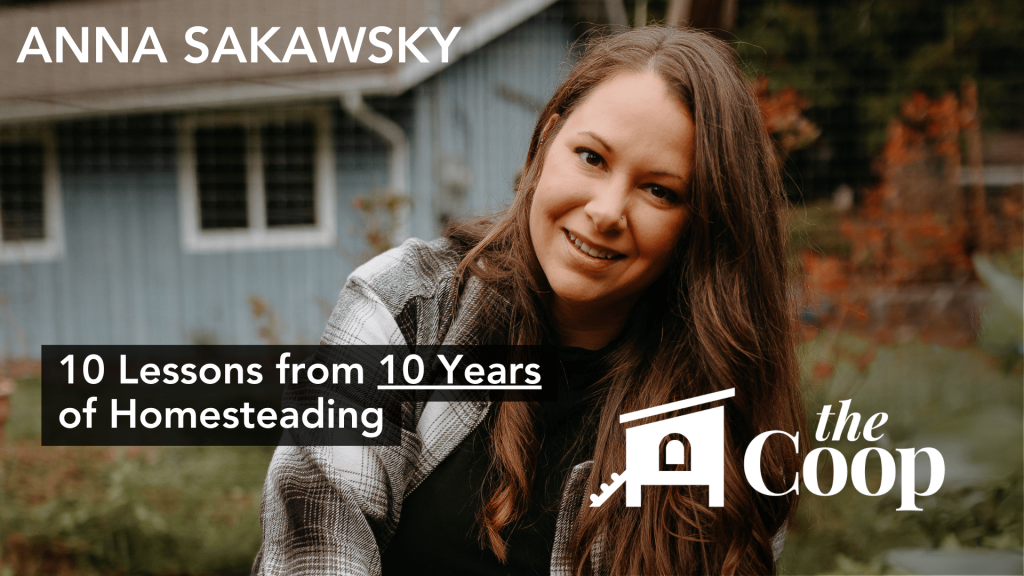
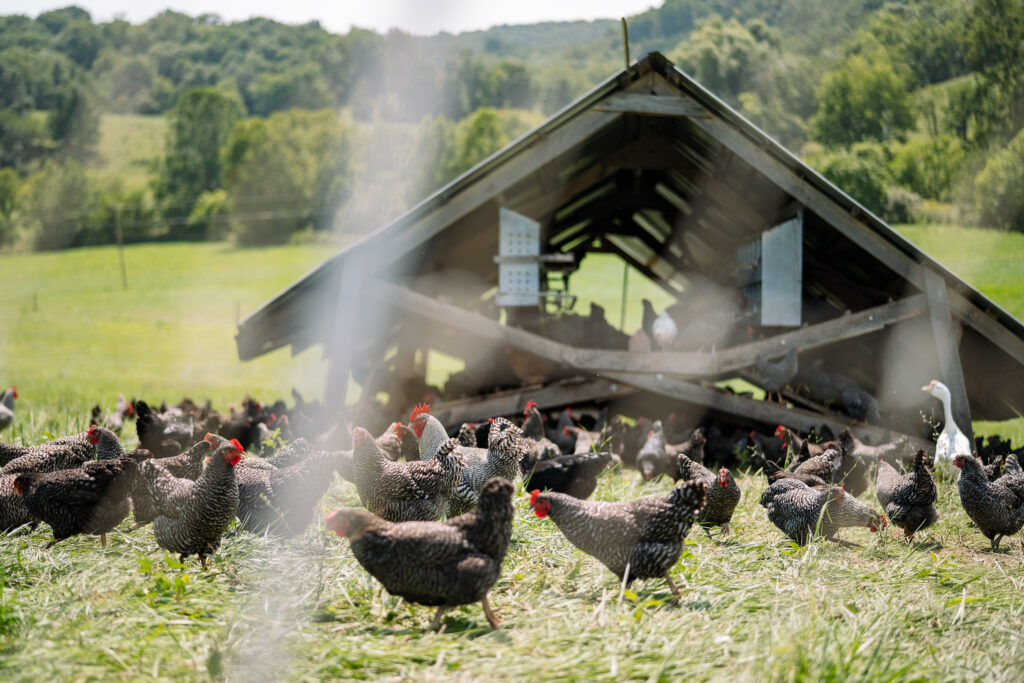
Leave a Reply