
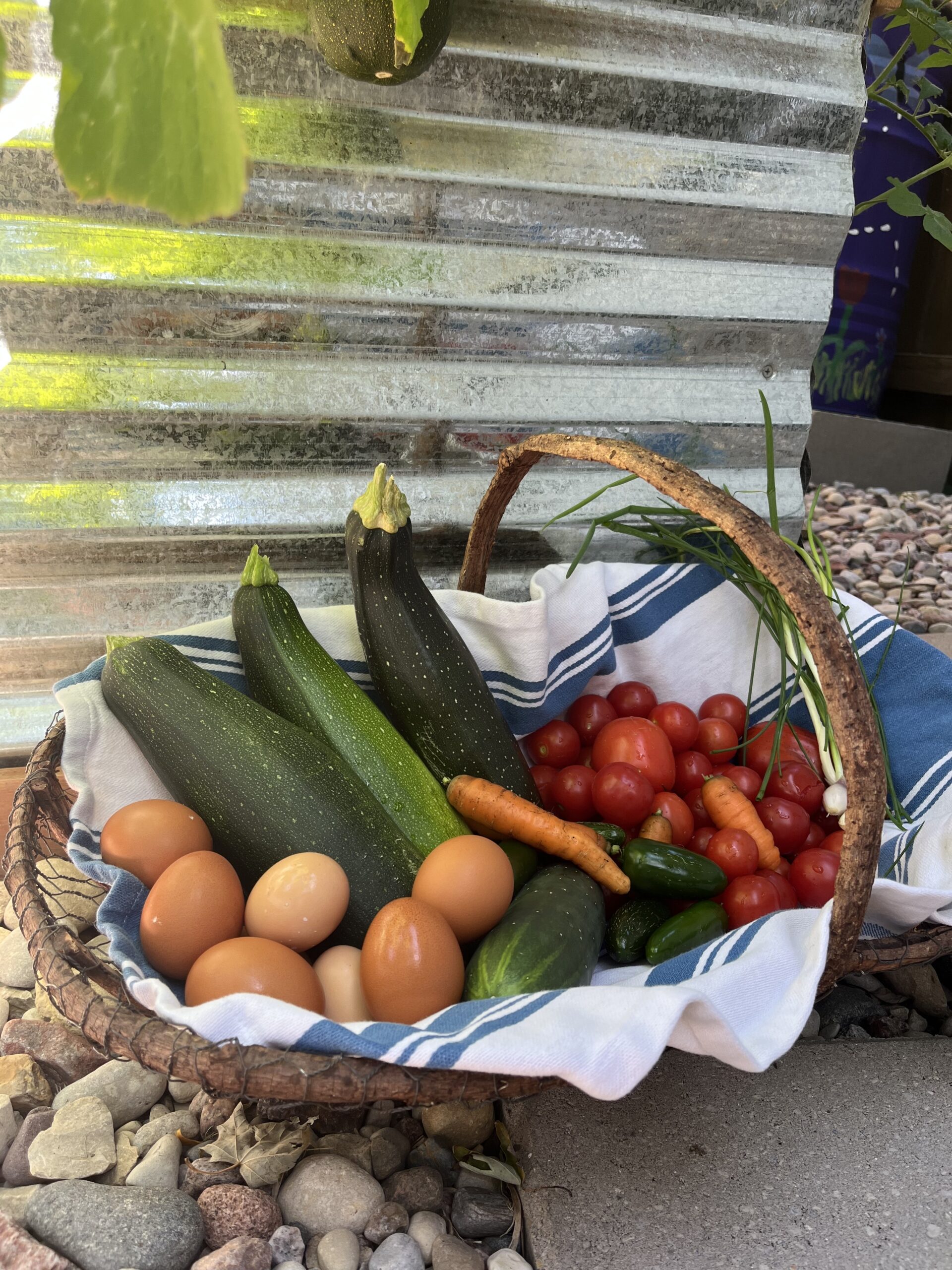
Many define homesteading as a fruitful use of one’s property: growing your own food, raising your own animals, and living as self-sufficiently as possible. But does every homestead need to check every box?
With rising property costs and interest rates, many aspiring homesteaders feel stuck. It’s true that you can do a lot with a small amount of land—but of course, you won’t be raising cattle and growing all your produce for the year on a quarter acre.
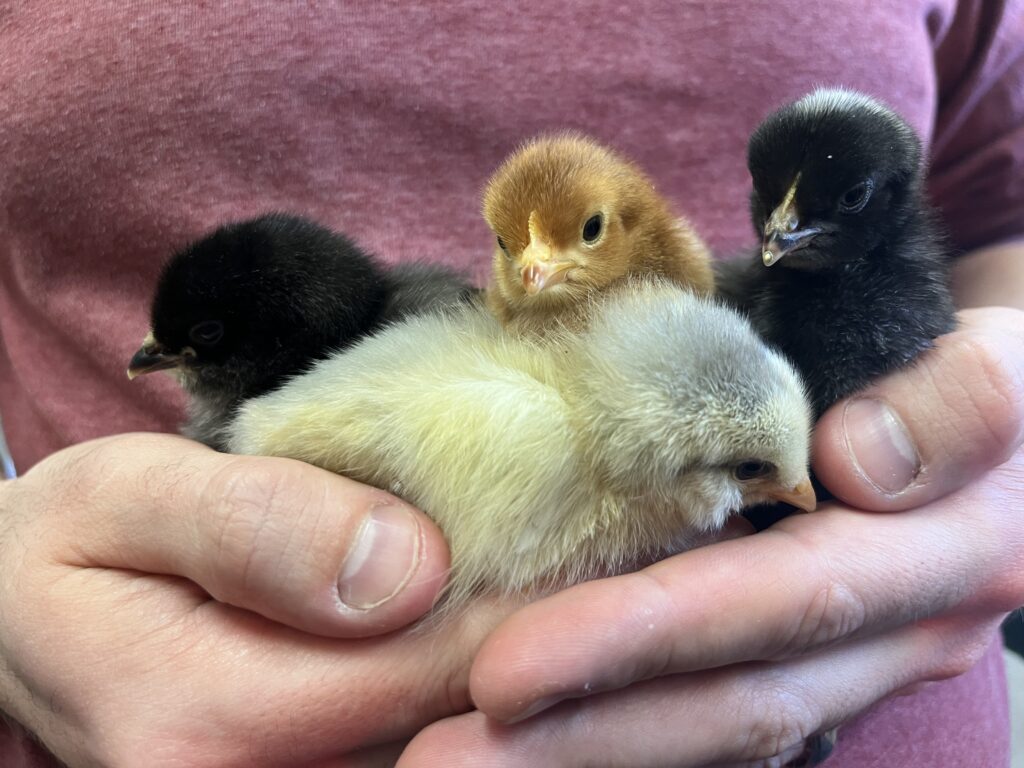
This brings us to the rising trend of micro-homesteading. Micro-homesteading is defined by having limitations on your property—whether it’s space or time constraints or an HOA dictating what you can and can’t do—while still taking whatever small steps you can to live more sustainably.
How to Start a Micro-Homestead
Many micro-homesteaders are new to the homesteading lifestyle. Whether you have land and hope to grow your homestead over time or know your current property has limitations, micro-homesteading is a wonderful way to start small and begin cultivating essential homesteading skills you can build on over time.
New homesteaders can easily burn out by starting too much at once, so I recommend beginning with one project at a time—specifically whatever you’re most excited about and have the resources to complete.
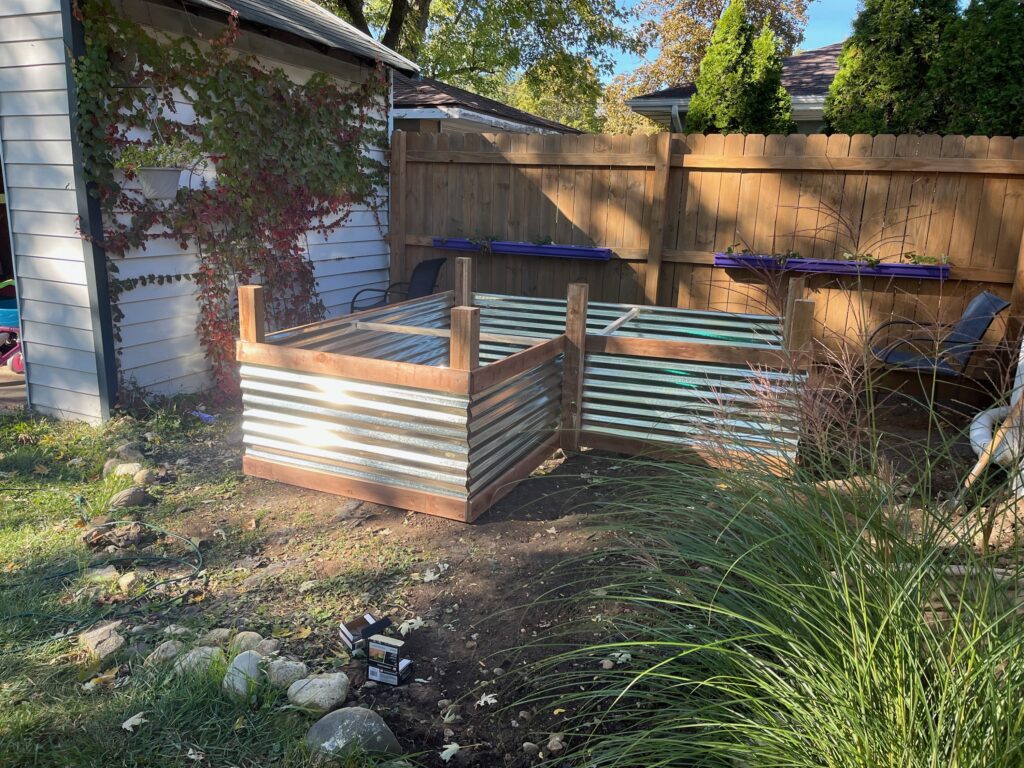
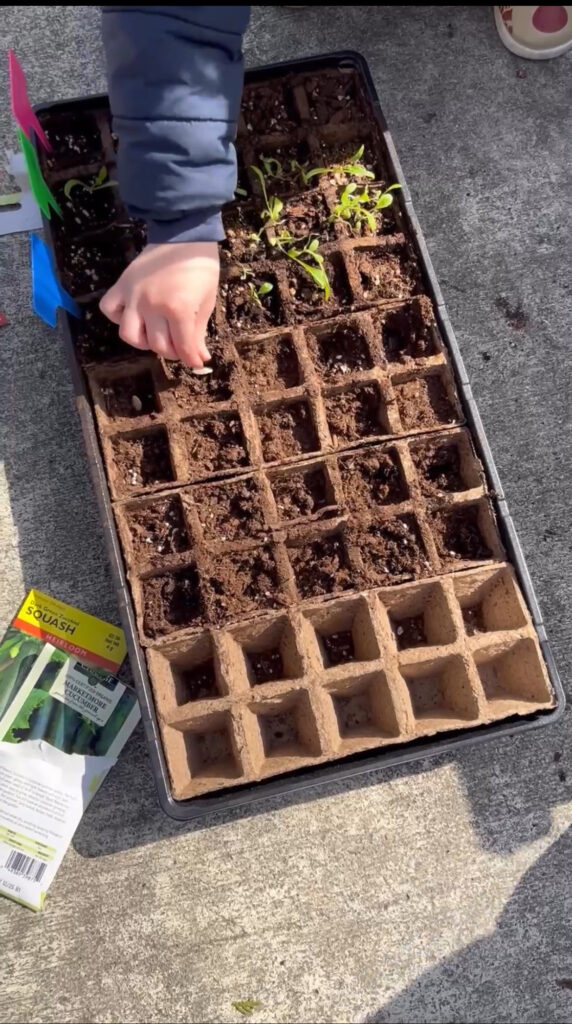
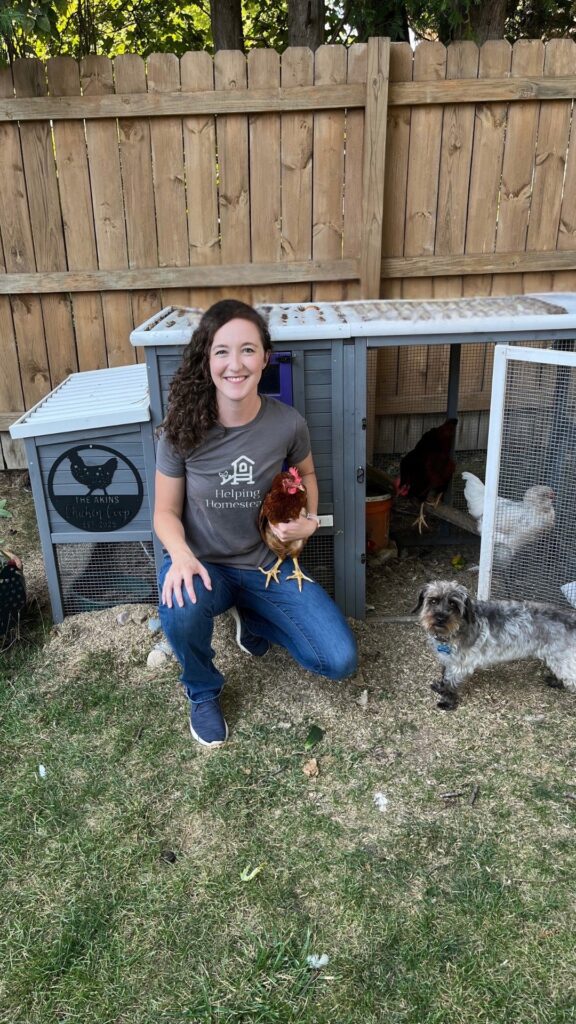
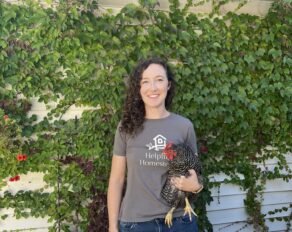
Our first two projects in our first year of micro-homesteading were expanding our garden and raising chickens. We live on less than half an acre and are allowed four hens where we live. Neither of us had any experience with farming or chicken keeping. We prepared before spring by building a large raised bed, ordering chicks, and learning how to start seeds.
With two toddlers at home and both of us working full-time, this was plenty to take on—but not so much that we felt overwhelmed or lost excitement about the new skills we were developing.
Composting is another great way to make a big impact in a small space. We use a small, tumbling compost bin, and between that and our chickens, we’ve cut down immensely on food waste while creating free compost for the garden each year.
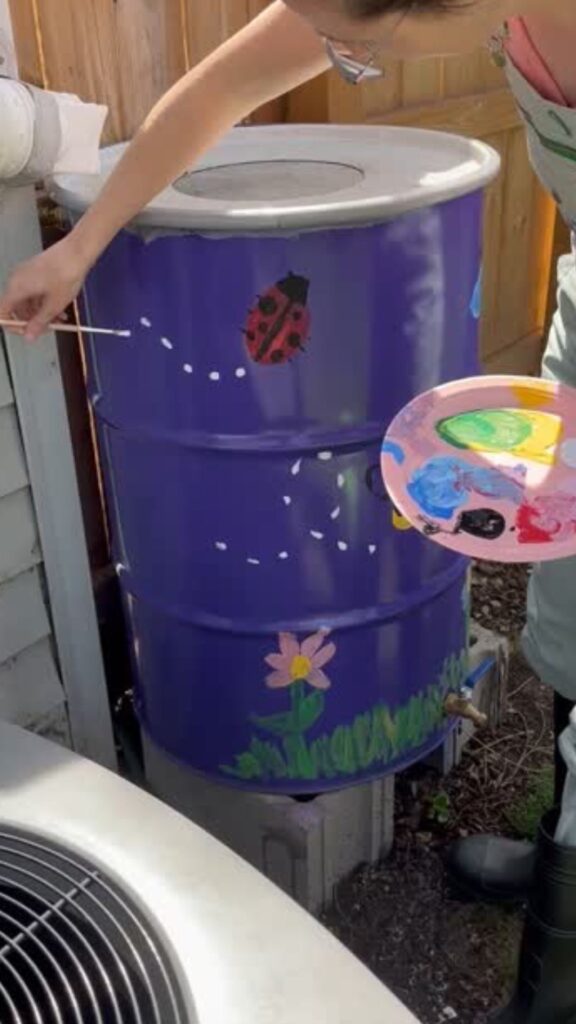
Another quick and easy DIY project we tackled was setting up rain barrels. We installed two—one at each back corner of our house—and the kids and I had fun painting them since I didn’t want an eyesore in the garden. I made it through the entire summer without using city water for our plants, and it was such an easy, low-cost project.
Who Can Be Considered a Micro-Homesteader?
The way I see it—as do many others in our community—homesteading is a state of mind. If you want to live more sustainably, there are steps you can take from anywhere.
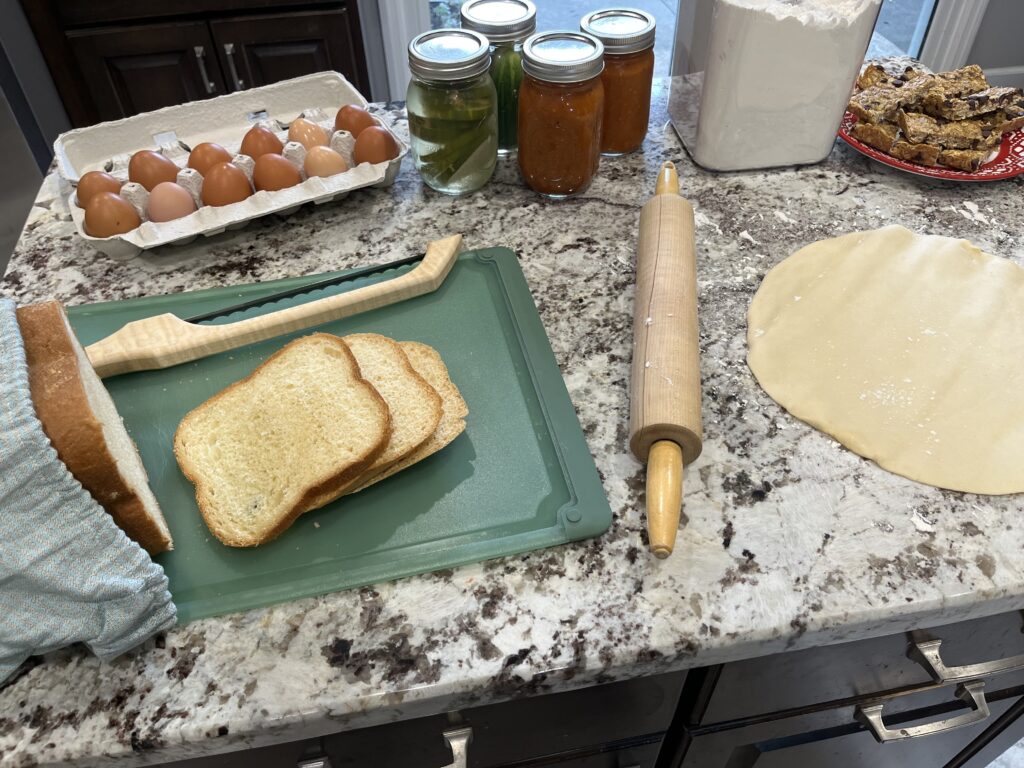
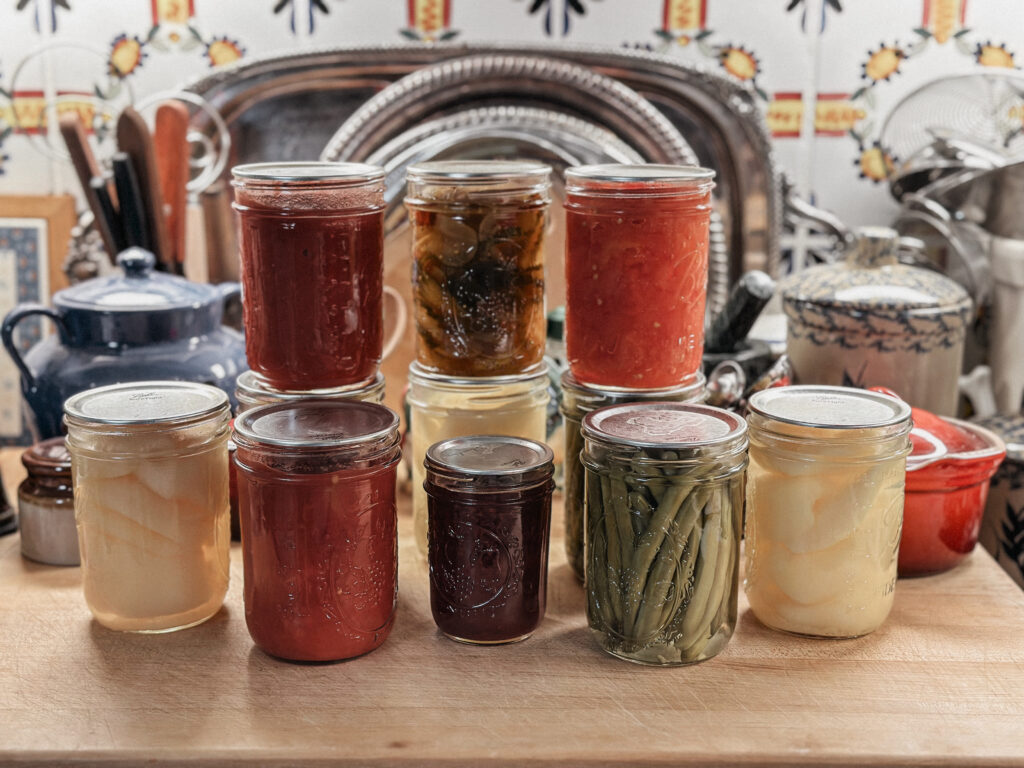
One way to start expanding your homesteading skills is by learning to cook and bake more from scratch. Even if you live in an apartment, you can make fresh bread, pasta, and learn how to preserve and best utilize your produce for the day when you grow more of it yourself.
A full-scale homestead is a full-time job. With our schedules, we can’t make everything we eat from scratch (even if I do aspire for that one day). For now, we focus on bread, pasta, and staple snacks like granola bars. It’s not perfect—we still rely on the grocery store to supplement our pantry—but it feels great knowing that many of the foods we eat daily are made by us, with ingredients we trust.
That’s what micro-homesteading looks like for most families—not all or nothing, but doing the best we can with what we have right now.
Some micro-homesteaders simply want the best of both worlds. It’s fair to enjoy raising a few animals and growing a robust garden without wanting to expand into a full homestead. Plenty of micro-homesteaders feel this way, especially if they work full-time like we do. Keeping things manageable helps prevent burnout and ensures the homestead remains a joy rather than a burden.
What Are the Benefits of Micro-Homesteading?
When it comes to what you can do on a micro homestead, the possibilities are endless. It’s all about working within the constraints you’ve got and then getting creative. There are lots of ways to grow a lot of food in a small space, for example. By growing vertically, in containers, and choosing high-yielding crops that take up a small footprint, you’d be surprised at how much you can produce in a relatively small space!
If it’s a lack of time that has you feeling stretched, you can scale back your homesteading efforts to only the things that truly serve you and your family in this season. Maybe that means keeping a few laying hens for fresh eggs, and growing a small perennial herb garden instead of a bigger annual garden that requires seed-starting and preserving crops.
If you’re dealing with an HOA or other neighborhood regulations, consider what you can do indoors or in pots and containers. Even if you’re restricted in terms of what you can grow in your yard, you can always grow some sprouts on your windowsill, keep a sourdough starter on your counter, and preserve food purchased from the farmers market in season.
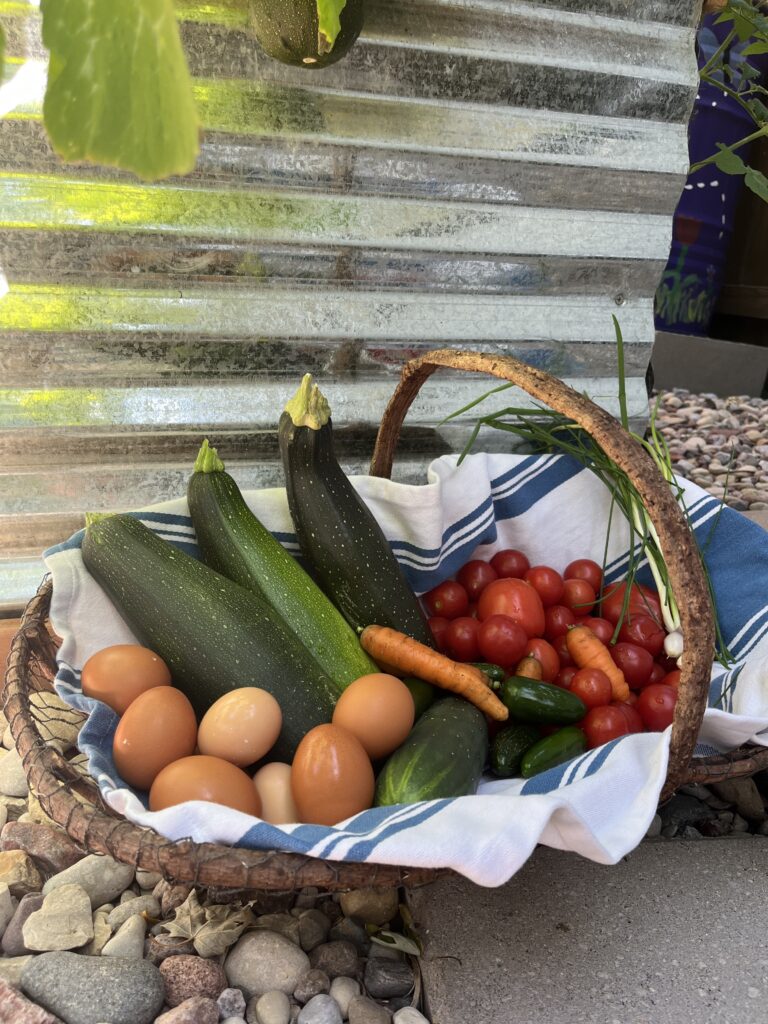
Micro-homesteading also encourages us to lean into community, since we can’t produce everything we need on our own. If you can’t raise your own meat, find a local farmer who does and buy in bulk! If your neighbor is growing zucchinis and you’ve got eggs, consider trading instead of having to grow both yourself.
If homesteaders can lean on one another for support, share skills, and trade resources, these hardworking families can thrive—and our collective community can continue to grow.
The greatest benefit of micro-homesteading is that it makes sustainable living more accessible. You don’t need to be a commercial farmer to grow some (or even a lot) of your own food.
Imagine if every suburban family gathered eggs from their own hens, grew a little produce in their backyards, and bought the rest from local farmers markets. Just like that, our communities would be healthier, happier, and less reliant on the supermarket. Our planet would be happier too, as single-use plastics and landfill waste would decrease as well.
Another invaluable aspect of micro-homesteading is that it introduces young people to farming and food production while providing a stepping stone for those who want to scale up.
Multi-generational farms are being sold to developers all the time as fewer people are taking an interest in farming or lack the skills and knowledge to successfully operate a farm. This could have serious consequences in the near future.
We shouldn’t wait for a national food shortage before we act. Encouraging more people to start small helps keep these essential skills alive and prepares the next generation to be ready if and when the opportunity arises to acquire more land.
Micro-Homesteading for Beginners (and Beyond!)
The beauty of micro-homesteading is that it looks different for everyone. Your version might be shaped by your space, schedule, or neighborhood—but each small effort adds up. The best time to start is now!
No matter the season or the size of your property, you can start micro-homesting right now. I often kick myself for not getting chickens sooner. They bring me so much joy, and making meals from scratch with fresh eggs and homegrown produce gives me a sense of accomplishment—something becoming increasingly important in a time when more and more people are feeling like they lack purpose.
Our kids get to experience it all with us, too. Watching chicks grow or seeds sprout into vegetables fills them with wonder and teaches them where our food comes from and how much work goes into it.
While there are still people who cling to the idea that in order to be a “real” homesteader, you need to have multiple acres and make everything from your bread and butter to your clothes from scratch, the reality is that we live in a time when that’s not possible for most people.
Instead of comparing ourselves and others to an impossible ideal, we can expand our understanding of what homesteading means today. It’s not about the size of your land or how much you’re producing—it’s about your mindset, your resourcefulness, and your willingness to take small, meaningful steps toward self-sufficiency.
Whether you already run your own successful homestead or aspire to someday, we all need to support one another. The more resilient and self-reliant each member of our community is, the stronger we are together.
Encourage micro-homesteaders to do what they can, and if you are an aspiring micro-homesteader yourself, get started right where you’re at! Even small steps toward sustainable living should be celebrated, and making these steps more accessible is something the homesteading community can—and should—be proud of.
Leave a Reply