
There’s nothing quite like a hot drink on a cold winter night. Every sip warms me up while also soothing my mind and soul. The recipe I’m sharing with you today adds another layer to the experience by supporting and nourishing the immune system and body. This drink is a fire cider hot toddy.
If you’re not familiar with fire cider already, it’s a very old and beloved folk herbal formula packed with medicinal ingredients. It’s fairly easy to make at home and has a rich and delicious flavor profile that can be used in cooking and in drinks.
Although used in traditional folk herbalism by people of many different cultures, fire cider was made popular by herbalist Rosemary Gladstar. This simple yet potent remedy has a base of garlic, onions, ginger, hot peppers, and horseradish infused in apple cider vinegar.
Traditionally, fire cider is used to ward off colds and flu, support digestion, and more. I often take a tablespoon straight or make a fire cider hot toddy at the first sign of a sore throat or cold, or even when I’m just feeling tired and run down.
Benefits of fire cider
Fire cider is packed with antiviral and antibacterial ingredients like garlic, onions, ginger, and horseradish, which can help fight off respiratory infections and aid in recovery. The healthy enzymes in raw apple cider vinegar can aid digestion and promote gut health. At the same time, the aromatic herbs and spices can help alleviate bloating and indigestion. Warming ingredients like turmeric and cayenne pepper also have anti-inflammatory properties and help with circulation.
Fire cider can be taken daily as a shot or added to water, tea, salad dressings, stir-fries, meat marinades, steamed veggies, and more. I personally love using it to make a warming winter hot toddy drink, as outlined in the recipe that follows.
The Fire Cider Controversy
Interestingly, some controversy over fire cider has garnered attention over the last decade. In short, a U.S. company attempted to trademark fire cider and launched legal battles for trademark infringement against several small American herbalists for selling fire cider in their local communities. The herbal community rallied thousands of people from various herbal communities across North America to show that people have been making fire cider long before the company filed the trademark.
After years of legal battles, the company lost the fire cider trademark, which was deemed a generic term that no one could own. Fire cider was once again free for all of us to make at home or sell commercially.
How to Make Fire Cider
Traditionally, fire cider is made in the fall when it’s time to harvest roots such as horseradish, and when vegetables like garlic and onions have been cured, and peppers are fresh and abundant. There’s something extra special about making it with homegrown ingredients, but you can also buy good-quality vegetables and ingredients from your local farmers’ market. When choosing your apple cider vinegar, make sure to choose organic, raw, and unpasteurized to maximize the health benefits.
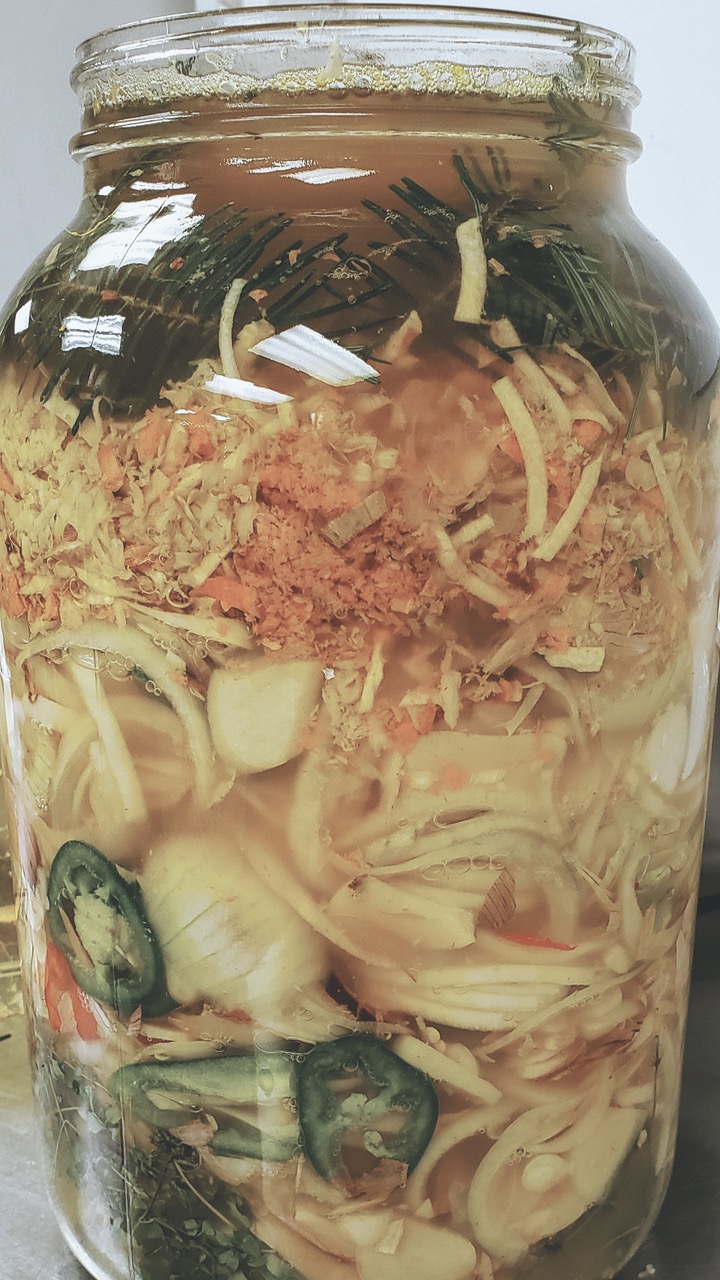
One interesting thing about fire cider is the variation in the base formula from one family, herbalist, or company to the next. Don’t be afraid to experiment with the recipe that follows and add your own touch.
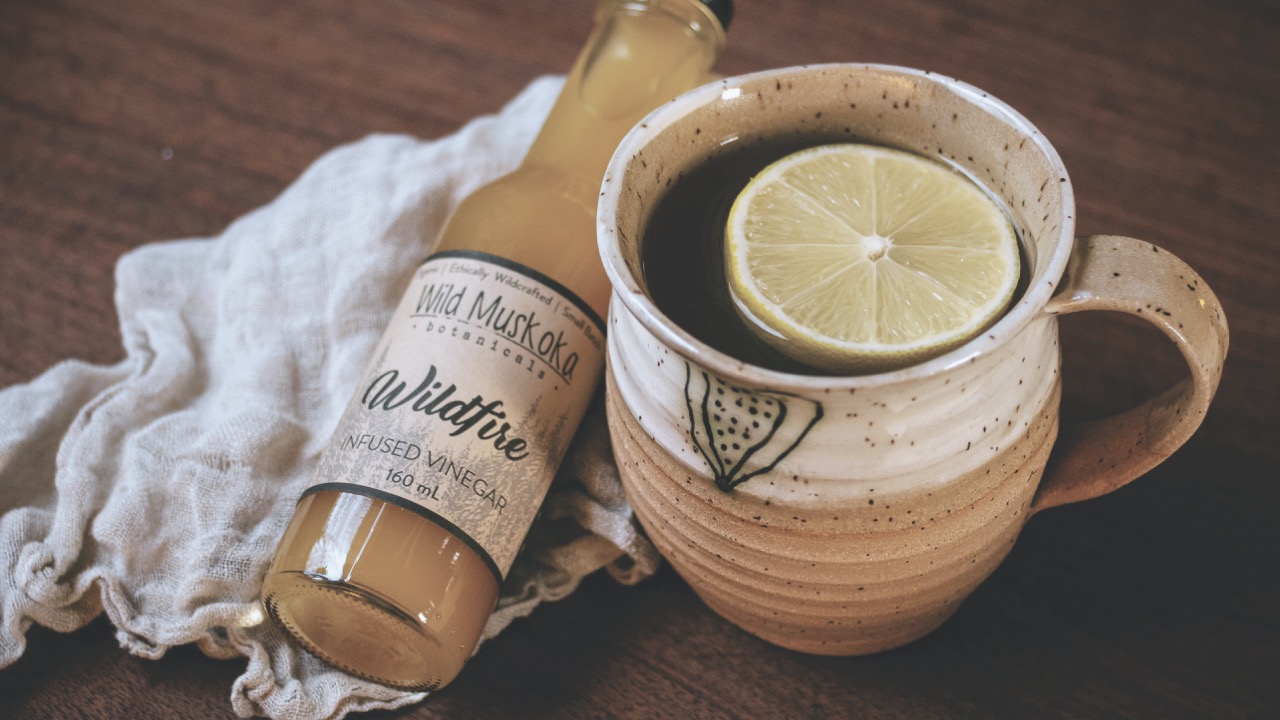
I operate a company called Wild Muskoka Botanicals that sells sustainably foraged foods and drinks. Our unique addition to the traditional fire cider recipe is adding sustainably foraged Balsam fir needles, vegetables we grow in our homestead gardens, and organic spices. We prepare a 10-gallon batch every year to sell at community markets and online.
Hopefully, the following recipes inspire you to make your own fire cider and participate in this important herbal tradition. With some basic kitchen tools and a small garden (or trip to the market or grocery store), homemade fire cider can become a staple in your homestead kitchen too.
Recipes
Ingredients
- 1/2 cup fresh ginger grated
- 1/2 cup fresh horseradish grated
- 1 medium white or yellow onion chopped
- 10 cloves garlic crushed or chopped
- 2 hot peppers chopped with seeds (jalapeño or cayenne peppers work well, however if you like things really spicy, you can use hotter peppers such as serrano, habanero, etc.)
- 1 lemon thinly sliced with the peel on
- 2 tablespoons of fresh aromatic herbs rosemary, thyme, oregano, fir needles, and pine needles all work. If using dry, use half the amount as dried herbs are stronger.
- 1 tablespoon fresh turmeric grated
- Raw unpasteurized apple cider vinegar
- 1/4 cup raw unpasteurized honey (plus more to taste)
Instructions
- After grating or chopping the veggies, put the ginger, horseradish, onion, garlic, peppers, lemon slices, herbs, and turmeric in a quart-size canning jar. Cover with apple cider vinegar by about an inch.
- Use a piece of natural parchment paper or wax paper under the lid to keep the vinegar from touching the metal, or use a plastic lid. Shake well.
- Store in a dark, cool place for one month and shake daily.
- After one month, strain the mixture through cheesecloth into a clean glass jar. Reserve the liquid fire cider and discard the solids.
Notes
I personally like to skip adding the honey so I can use my fire cider in a wider range of culinary recipes, such as soups, marinades, and vegetables where I don’t want the sweetness.
Since many of these ingredients are very pungent-smelling.
I prefer to make fire cider on a nice day when I can open the window and have a fan running. I also recommend wearing gloves when processing the hot peppers to reduce the chances of skin irritation from coming into contact with the pepper seeds.
Ingredients
- 1 1/2 cups water
- 1 tablespoon freshly grated ginger
- 1 tablespoon honey
- 1 teaspoon fire cider
- 1 1/2 ounces of your favorite whiskey optional
- A squeeze of fresh lemon juice or a whole lemon slice
- A sprinkle of cinnamon
Instructions
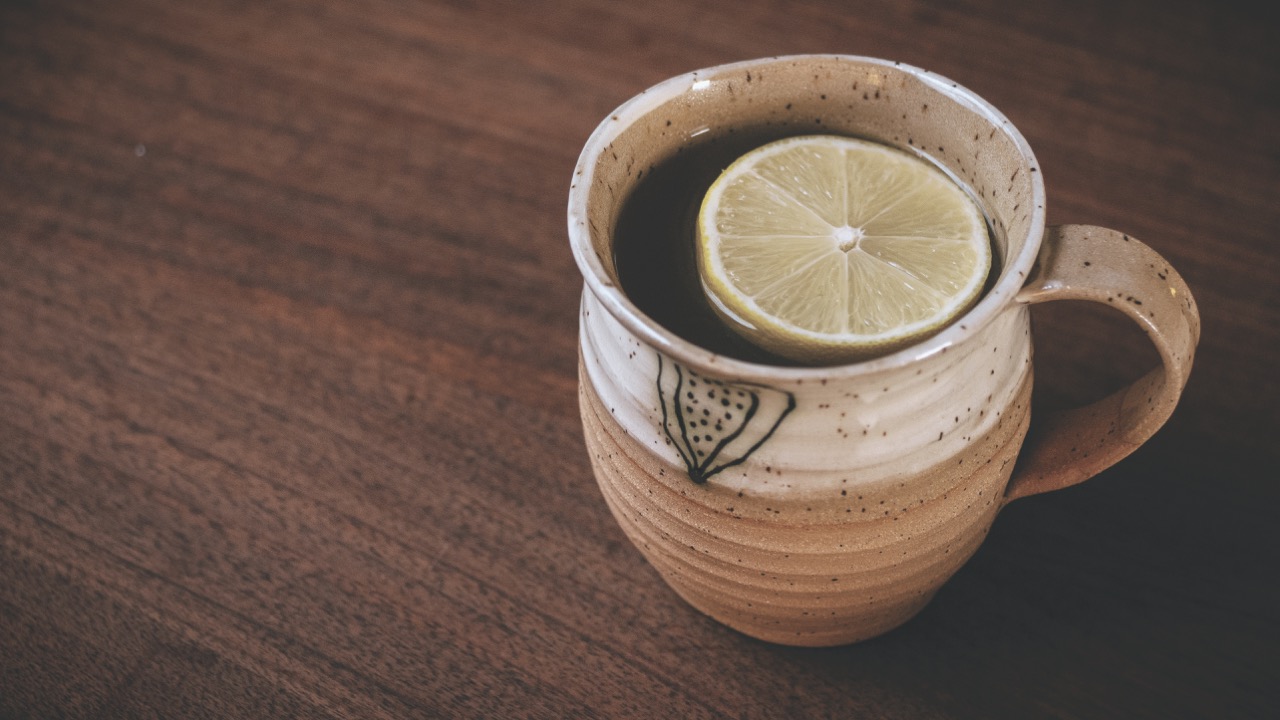
- Simmer the ginger in the water over medium heat for 10 minutes.
- Strain the ginger tea into your favorite mug and add the other ingredients.
- Mix well and enjoy hot!





Leave a Reply