
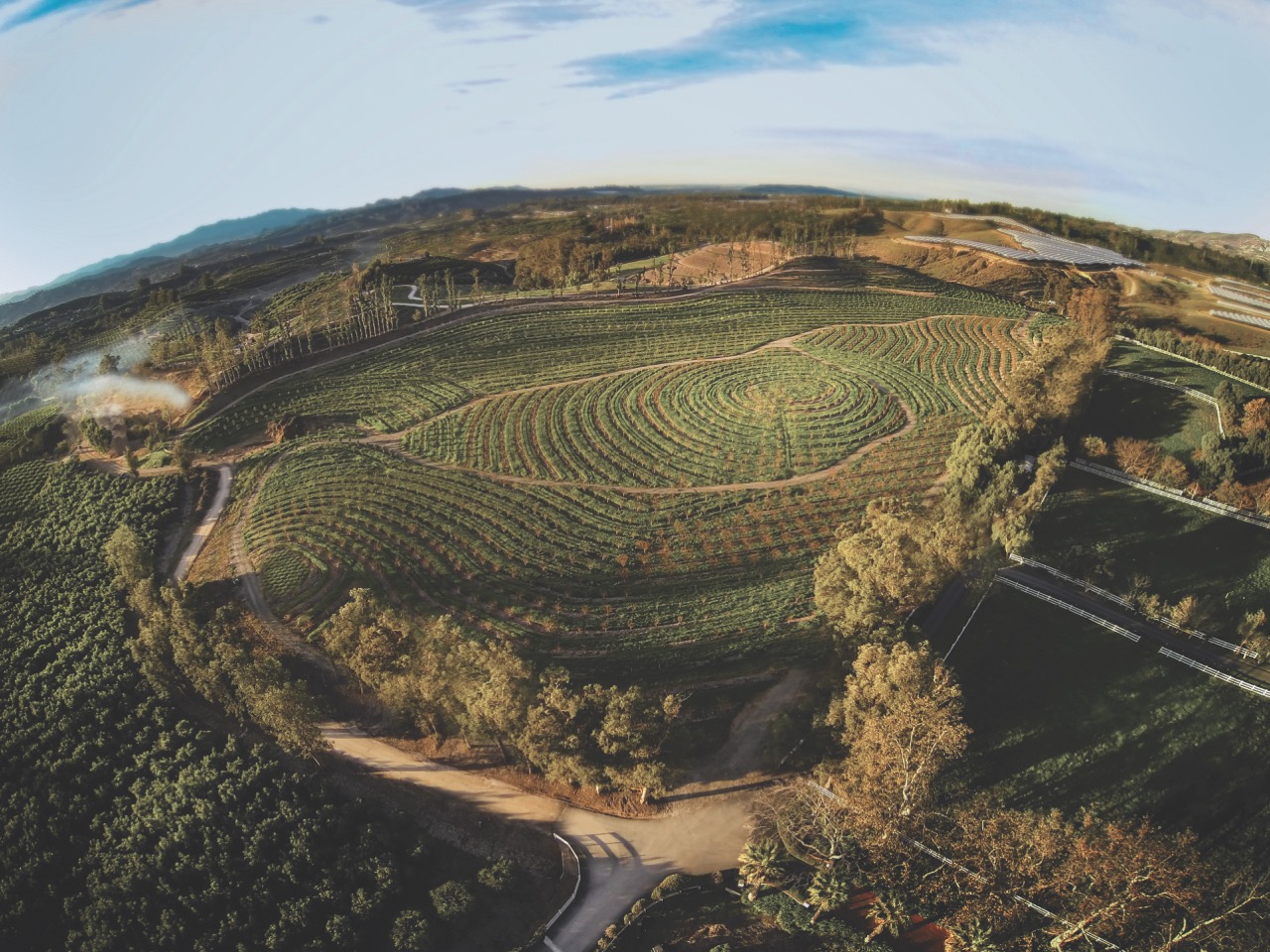
When you think of regenerative farming, what comes to mind? For most of us, it’s a holistic alternative to the monocultures and synthetic chemicals of industrial agriculture—a model built around soil health, cover cropping, no-till practices, and livestock integration. Regenerative farming offers a way to work with the land instead of against it, restoring ecosystems while raising nourishing food.
In the homesteading world, we often look to regenerative practices as the gold standard—the antidote to broken systems. Whether on a backyard plot or a hundred-acre farm, many of us share a common vision of what it means to steward the land responsibly.
But few would dare to imagine it the way John and Molly Chester did.
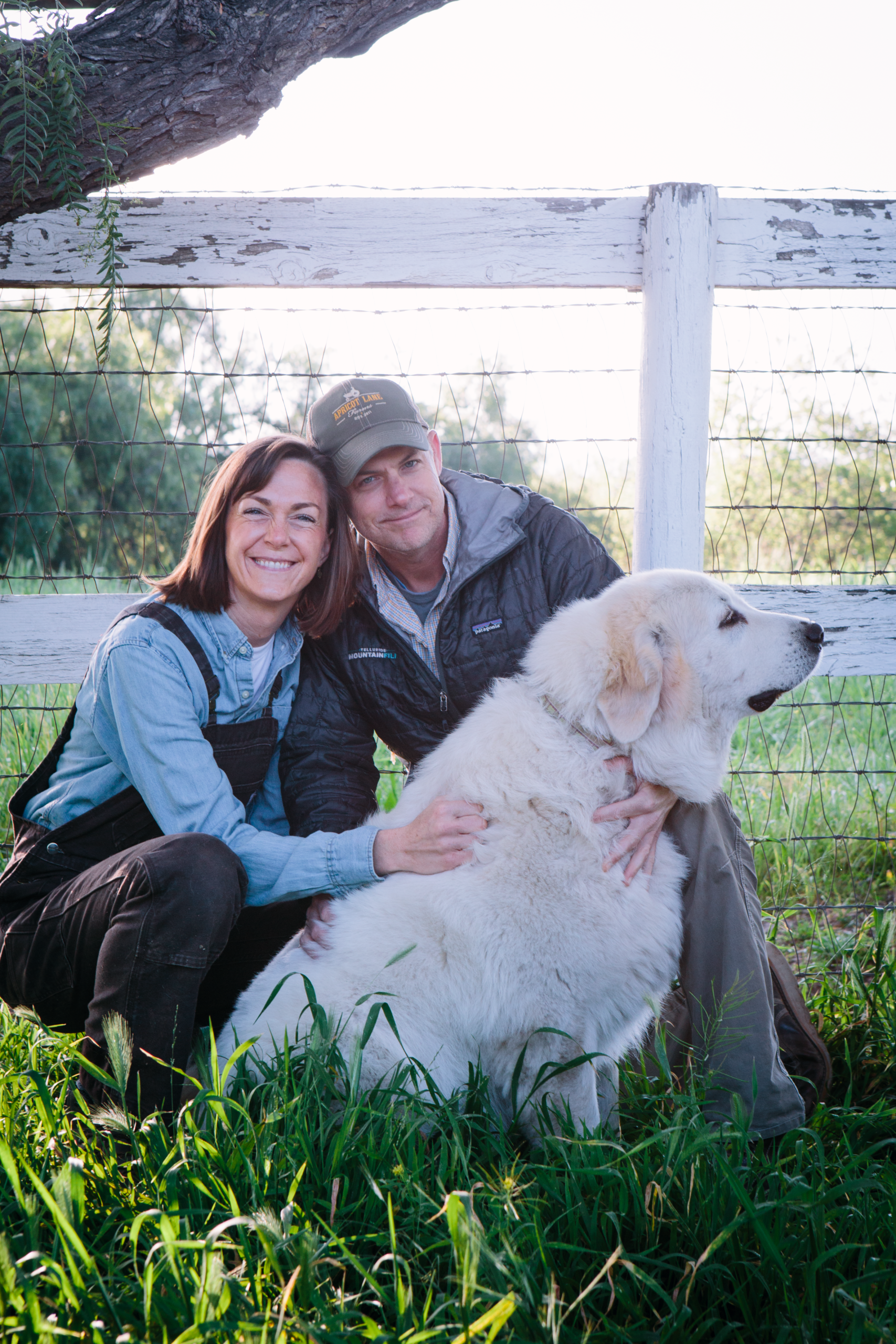
When they set out to create Apricot Lane Farms, they didn’t just want to heal a patch of land. They envisioned something wilder, richer—a living, breathing tapestry of crops, livestock, wildlife, and even pests and predators, woven together in a fully self-sustaining ecosystem. Their dream wasn’t merely to regenerate the soil, but to revive the balance of nature itself.
That bold vision—and the years of perseverance it demanded—would ultimately become the heart of The Biggest Little Farm, the award-winning documentary that captured the attention of millions.
Yet behind the stunning cinematography and heartwarming story lies a deeper journey—one of hope, heartbreak, tireless labor, and an unshakable belief that, even in the face of failure, harmony with nature is possible.
Before the farm, before the orchard rows and fields teeming with life, John and Molly lived in the heart of Los Angeles. John was a cinematographer and documentary filmmaker, skilled at capturing the nuances of life through a camera lens. Molly worked as a private chef, crafting organic, farm-to-table meals for clients who valued wholesome food.
In many ways, life was good: the Chesters had successful careers, creative fulfillment, and a rescue dog named Todd, who would ultimately help change the trajectory of their lives.
Todd was spirited, loyal, and endlessly vocal. His frequent barking led to complaints from neighbors, and before long, the Chesters were facing eviction. Yet instead of simply relocating to another city apartment, they felt a deeper stirring: what if this moment was an invitation to build a different kind of life? One with more space, more purpose, more connection to the natural world they both loved?
A Bold New Vision
“We had always been interested in living on a farm. It was something that was a bit of a dream, and we would look for land when we moved to a new area, but it wasn’t ever in the space of reality,” Molly shared in an interview with Homestead Living. “I was always fascinated by how what you eat affects how you feel. As I went down that rabbit hole—going to culinary school to learn how to cook, and studying the health supportive aspects of food—I realized it came down to the choices the farmer makes. You have to start with really nutrient dense food if you want to maximize its potential in the kitchen, using things like soaking, sprouting, and fermenting to enhance its nutrient value even further.
“That realization led us to seeking out farmers who were growing food in a way we truly appreciated—with a focus on soil health and the environment. But it was really hard to find certain things we wanted. Eggs, for example, were a big one; we couldn’t find anyone raising chickens in the way we believed they should be raised. Then, at the same time, we had a dog who we could not get to stop barking, which finally pushed us to seriously start looking for more land. At first we were thinking of a much smaller farmstead—five or 10 acres—but then we met our partners and it blew it into a much bigger thing.”
Their vision caught the attention of a single investor—a family friend—who believed in what the couple were setting out to do. “We just kept talking about it,” said John, “and in spite of how much fun our friends made of us, we kept telling them what we wanted to do and very specifically how it would be different. Eventually that led us to a family who had been looking for a way to invest in the future of food—food grown with the highest level of nutrient density possible, where flavor mattered, within a system that also helped restore native lands and native creatures.”
With financing out of the way, the real work began. Turning their vision into a functioning regenerative farm would demand a steep learning curve and a lot of humility.
Neither Molly nor John had any real experience with regenerative farming when they first set out to build their farm. Their backgrounds gave them a love for nature and a willingness to learn, but the technical knowledge would have to come with time, trial, and a great deal of faith.
“I grew up in a really small, rural farming area in Maryland,” said John. “I worked on two family farms—corn and soy farms—but my brother and I were really just maintenance men. We subsisted off a little garden, but the actual corn and soy were commodity crops. We didn’t even know what the inputs were; we were just doing the tasks. So there was a comfortability with farming, but we didn’t understand soil health or the critical importance of biodiversity like we do now.”
Molly’s background was even further removed from farming. “I had zero experience,” she said. “I grew up in the suburbs with parents who weren’t really connected to the natural world in the way that I’ve come to understand it. I came at it only with the farming experience of how to build a gut microbiome. Once you start to understand that, you realize it’s like managing your own internal farm, your own internal soil. When I started working with the land, that understanding of the microbial world was really helpful even though I didn’t know how to run a tractor.”
That understanding soon became the foundation for their vision of the farm. “We had always thought, what if we could combine this knowledge of how the gut microbiome thrives on diversity with the way the biosphere of the planet operates—where biodiversity creates resilience?” John explained. “Its immunology is based on biodiversity. So we started asking: what would happen if we built a farm based on those principles?”
That guiding idea—building resilience through biodiversity—shaped every decision they made as they began to bring Apricot Lane Farms to life.
Building Biodiversity
“The plan from the beginning was to create the highest level of biodiversity possible,” said John. “I think the really idealistic thing was the level of integration we wanted to lean into with wildlife. I think that’s probably a little different about our story compared to other regenerative farms—that we went a little bit more into the radical rewilding direction. Which is ultimately what caused a lot of problems in the beginning, and then over time ended up becoming one of the greatest immune systems the farm could rely on.”
While the basic premise of regenerative farming emphasizes biodiversity, few regenerative farmers would actively encourage pests and predators on their land. But for John and Molly, embracing the full complexity of nature—even its messier, more unpredictable elements—was essential to building true resilience.
“When you get curious about the things that are attacking, you can start to understand what helps these things thrive—and what might be out there in the world that eats them,” John explained. “How do you bring to the equation some sort of balancing force? Every part of our body has a biome that’s unique. The nose has a biome, the ear has a biome, and when you disrupt the diversity of those biomes with, say, antibiotics that have collateral damage, you end up more dependent on antibiotics. Same with the gut microbiome, of course.
“So we knew that for us, if we could at least defend ourselves against epidemic-level outbreaks, we would then not be reliant upon using even the organic sprays as much as other organic farms. That involved leaning into and understanding: what are the things that draw pests to the farm before they even know for sure that there is food there? It’s habitat.”
Finding Land
Finding the right piece of land took time. They looked at dozens of listings and visited several properties in person, but nothing seemed to fit.
“We’d looked at several different pieces of land, lots on paper and visited several places, and nothing was really fitting,” Molly recalled. “John really wanted to come here. I was not as sold to come here because it was a horse farm. I just wasn’t really seeing how it was a fit. But he kept encouraging. And literally from the moment we pulled up, it was kind of like when you walk into a house and you know you’re going to buy it—it just feels like this is home.”
The connection was immediate and undeniable. “I remember John looked at me and he was like, we have to make this happen. And that was the beginning,” Molly said.
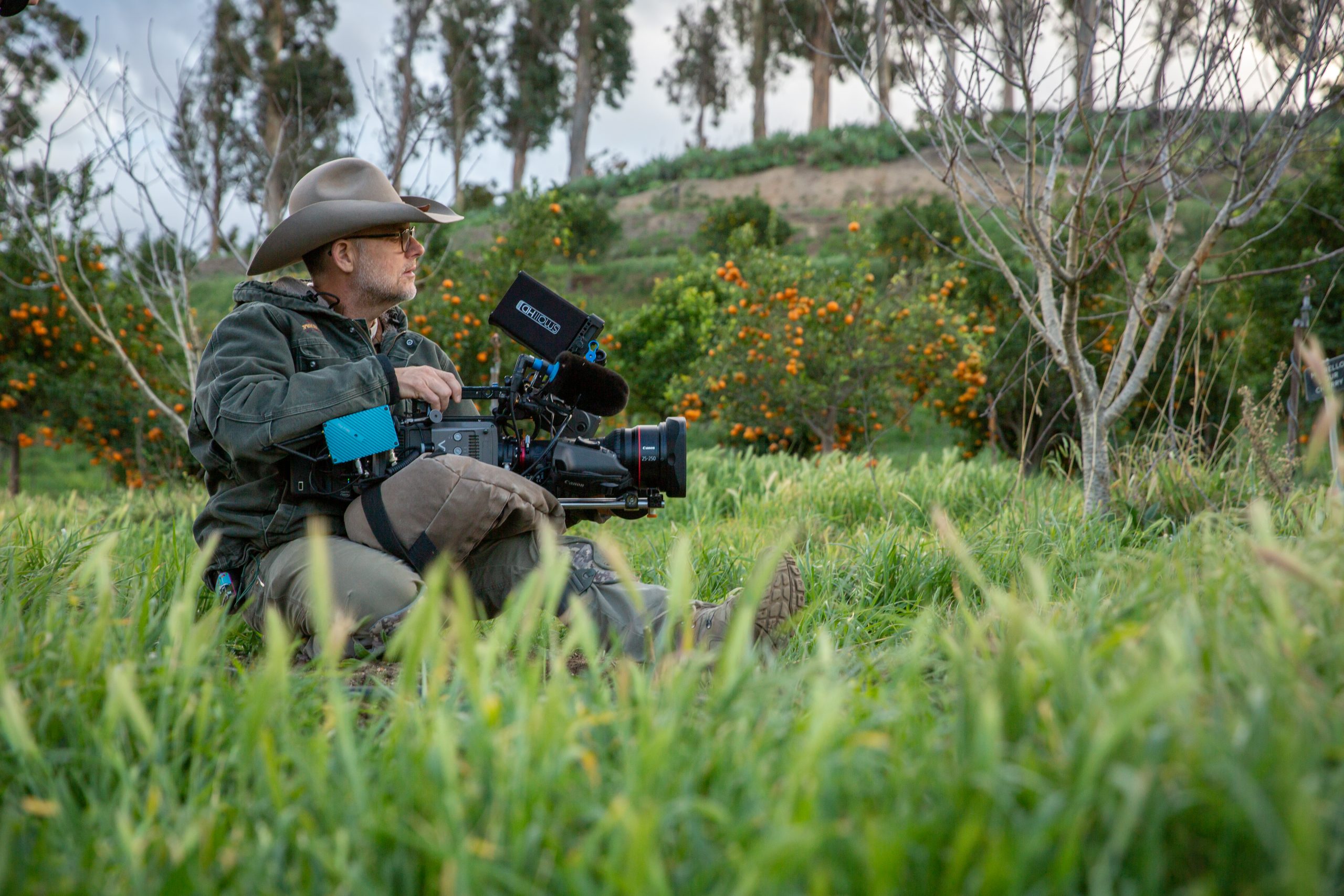
As they explored the 234-acre property, they saw its hidden potential. “It had the diversity that we needed to be able to do some of the infrastructure that would be really helpful,” she said. “It had pasture land, it had orchards—all of it was terribly dilapidated, but through our rose-colored glasses at the time, it felt like magic. I remember a beautiful owl swooped over us in the middle of the day. It was a very kismet experience where we could feel that this was the land we were supposed to be with.”
Of course, the reality of restoring it would prove far more difficult. The pastures were depleted, the orchards were overgrown, and much of the existing infrastructure was crumbling. But for John and Molly, the farm’s imperfections weren’t deterrents—they were an invitation. They saw not just what the land was, but what it could become: a living, thriving system where nature’s wildness would be welcomed, not tamed.
One of the first things they noticed was that, unlike many other farms in the area, this land still had trees—real, old-growth trees scattered among the fields.
“Most farms out here have cut down all the trees that aren’t the crop because they see that shade as competition,” said John. “There was at least a diversity of old-growth trees here that signaled, ‘alright, there’s some potential for habitat here.’”
While preserving diversity in the landscape and establishing habitats for wildlife was central to their vision, it quickly became clear how different their approach was from conventional wisdom.
“As soon as we hired some contractors to help us remove almost 30–40% of the orchard, the first thing they wanted to do was not remove the actual dead orchard trees—they wanted to cut down all the native trees on the farm,” John recalled. “I asked, ‘Why?’ and they said, ‘It competes with your crop.’ I said, ‘Yeah, but what about the biodiversity?’ And they were like, ‘The bio what?’”
In those early days, their ideas often seemed alien to others in the farming world. “We were really, as crazy as it sounds, up against it, and we seemed like aliens, even though this concept is not new,” John said. “This concept is incredibly old, based on biomimicry and how people survived. They would seek land that had diversity.”
Overcoming Obstacles
While the land had the potential for biodiversity, it quickly became clear that realizing that vision would not be easy. Almost immediately, John and Molly were faced with a cascade of challenges. The soil was depleted to the point of lifelessness. A snail infestation overwhelmed the orchard. Coyotes prowled the pastures, making livestock management an uphill battle. And the fields were choked with bindweed, a tenacious vine that can strangle young trees and smother gardens if left unchecked.
Of all the obstacles, the soil was the most foundational—and the most daunting.
“The soil had less than one percent organic matter,” said John. “It was nearly white, which is a sign it’s void of carbon. It had been zapped with Roundup and similar weed killers for 45 years, and there weren’t many living creatures left in it.”
The couple quickly realized they weren’t just building a farm—they would have to rebuild an entire ecosystem from the ground up.
“We realized we were going to have to rebuild the soil of a massive piece of property,” John continued. “We started learning how much compost it would take. And obviously cover cropping—but you can’t easily establish a cover crop in soil with less than one percent organic matter. It took multiple attempts, layering in compost each time. We didn’t know at first, but we learned very quickly.”
One of the first major strategies they leaned into was animal integration.
“We needed a fertility stream, and we were trying to create as many closed-loop options as possible,” John explained. “We sourced horse manure and bedding from neighboring farms who would otherwise pay to haul it away. Instead, they dropped it here for free. We also got mulch and wood chips from tree cutting services desperate for dumping sites.”
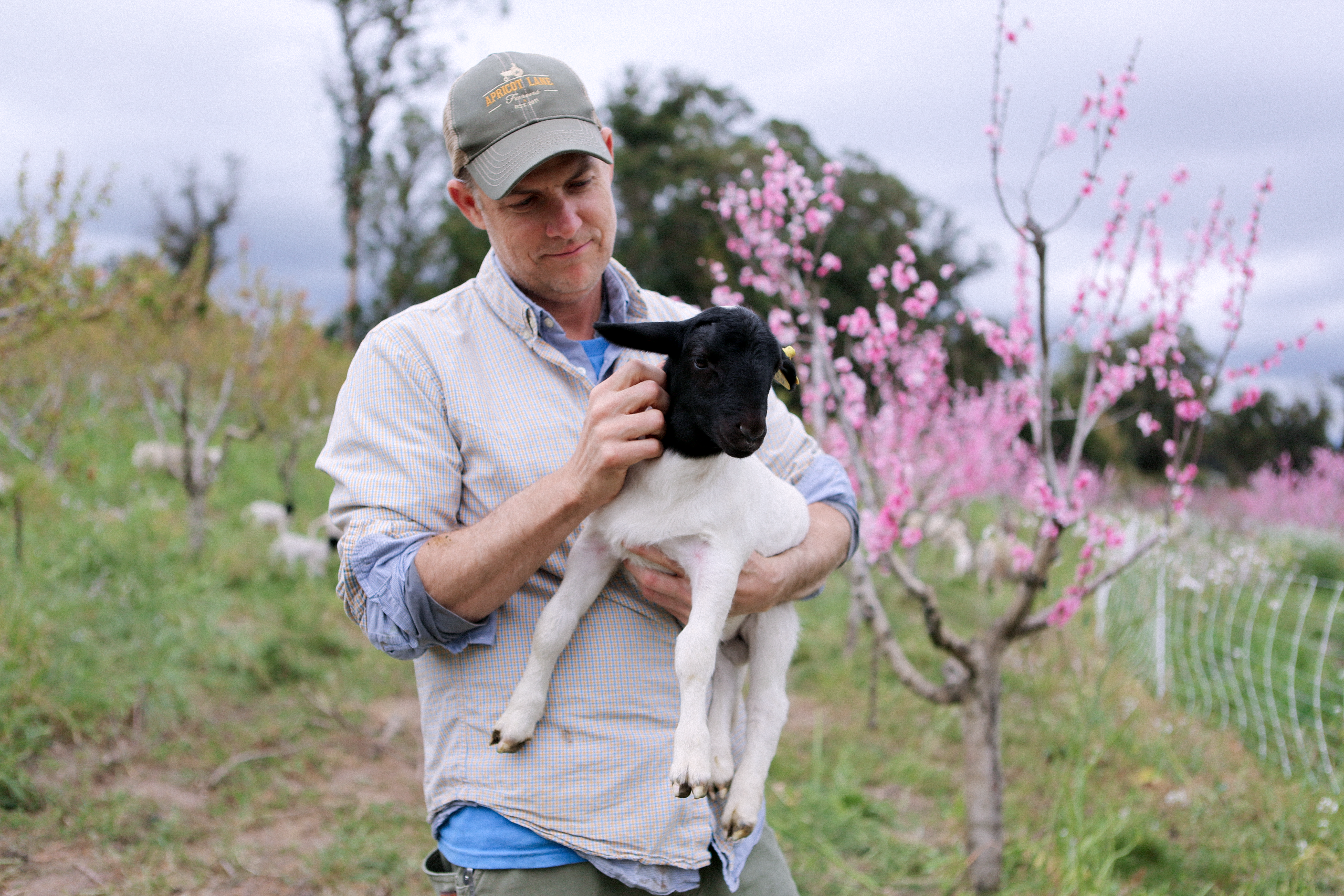
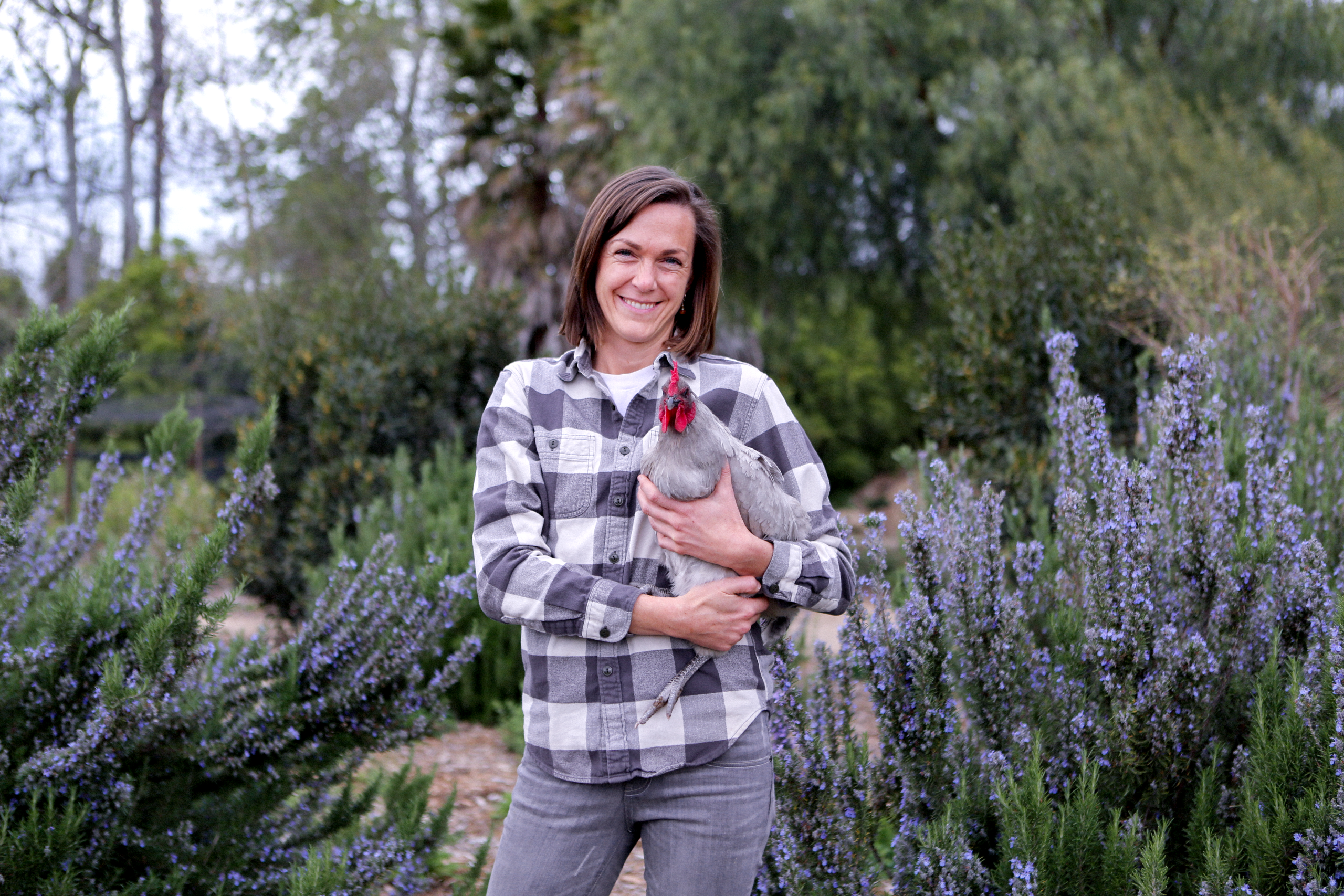
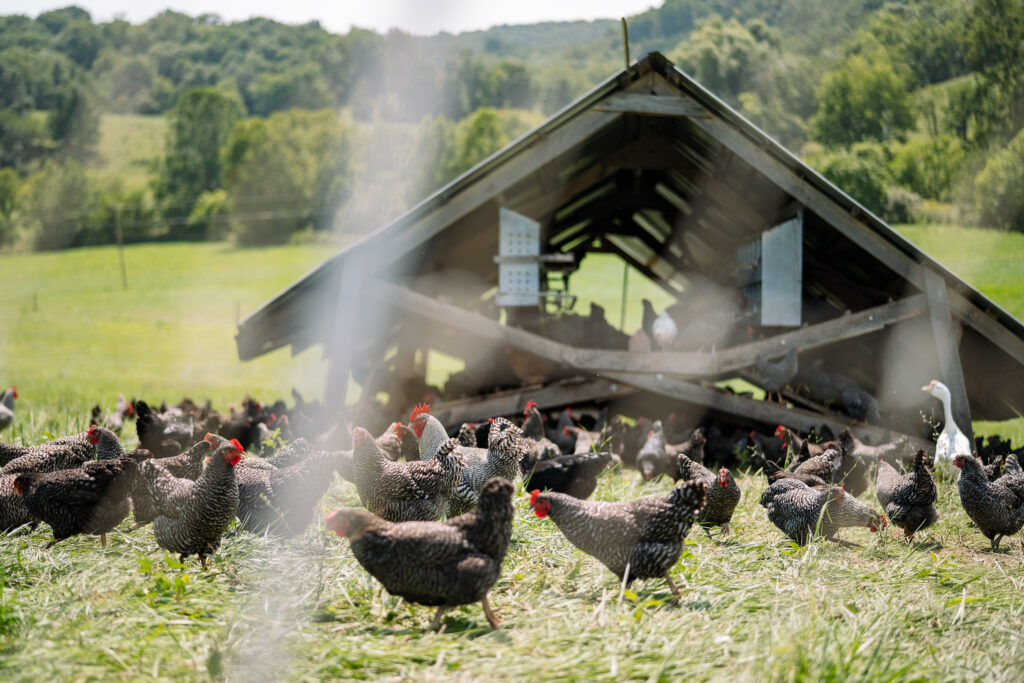
Getting animals out into the orchards made a tangible difference, too. Chickens scratched and fertilized the ground, while ducks—famously featured in their documentary—helped tackle the snail infestation.
“The snails were so bad you couldn’t even see the trunks of the lemon trees,” John said. “I thought, do lemon trees… are they bumpy? And then I realized—no, that’s snails. Ducks being out there, mitigating snails and converting a problem into nitrogen, was a fantastic win.”
By tapping into the resources around them—manure, mulch, animals—they began to build the closed-loop, biodiverse system they had envisioned.
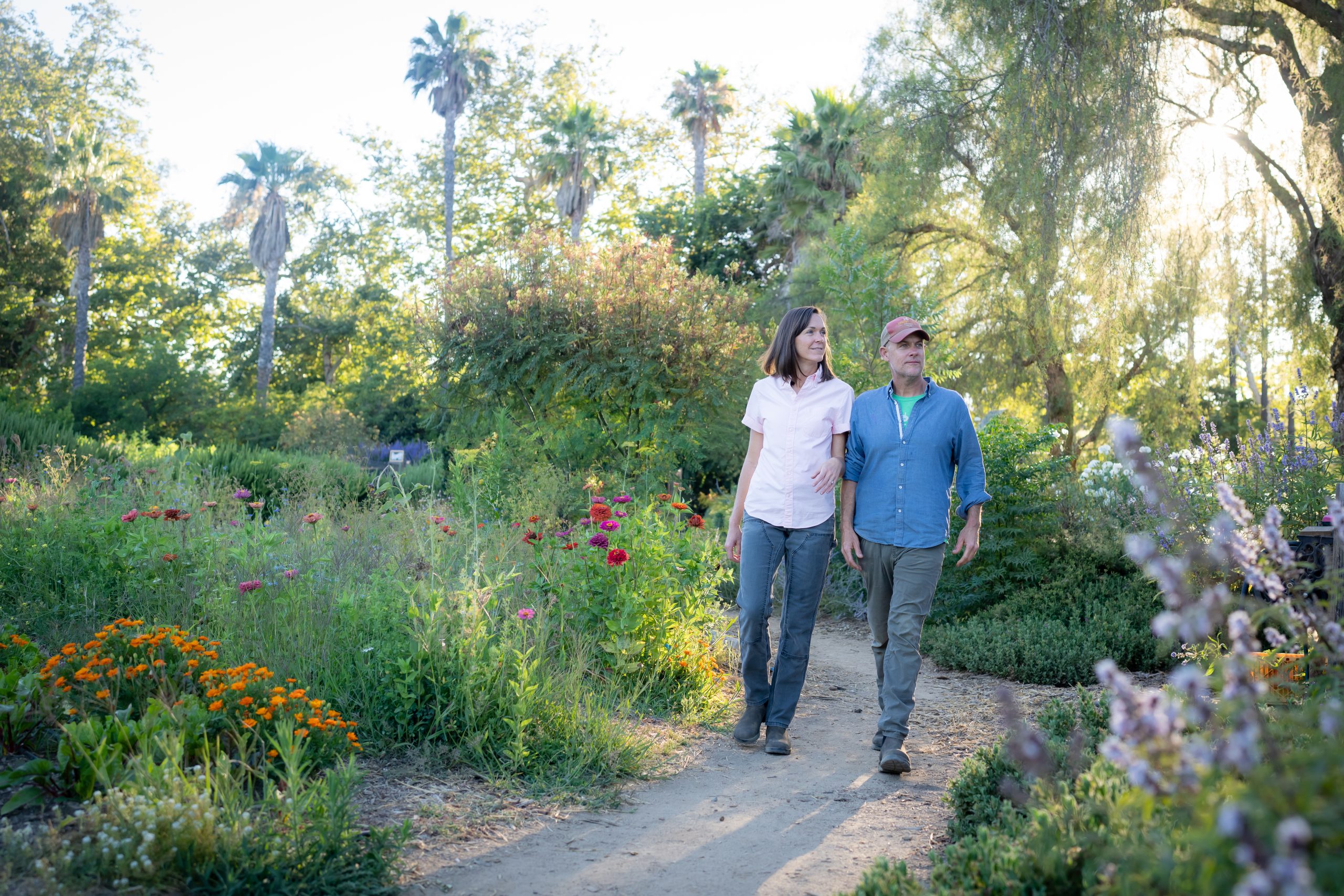
“I think the biggest challenge for me is the limitations you come up with within yourself,” Molly reflected. “It’s your ability to communicate, your ability to prioritize. The only way to really work the land is to continue to work on yourself. The development of the land is a reflection of the development of the farmers of the land. When you visit a place that has that magical quality, if you meet the stewards, you’re probably going to find that similar quality within them too.”
Through it all, the couple discovered that regenerating the land wasn’t just about working with nature—it was about growing into the kind of people who could.
Sharing the Story: The Biggest Little Farm
At first, John and Molly had no intention of telling their story to the world. The early years at Apricot Lane Farms were filled with enough challenges—picking up a camera was the last thing on their minds.
“I was so happy to be out of the film business,” said John, “and I didn’t want to get into a situation where I was filming something about a process I didn’t fully understand—and might end up losing everything. There was that fear.”
Around year five, John changed his mind.
“If you talk to a lot of farmers in this space, that’s around the time you actually start to see the diversity of life regulate some of the issues you face in the first two to four years. When I saw that transformation begin to take shape on our own land, I thought, no one’s going to believe this if I don’t film it.”
What started as a way to capture their personal journey evolved into the acclaimed documentary The Biggest Little Farm, released in 2018. The film struck a chord with audiences around the world, offering an honest, intimate look at the hardships, triumphs, and beauty of working with nature.
Now, John and Molly have expanded their storytelling even further.
“We just finished a five-year project doing a follow-up to the film,” John shared. “It’s a 12-part series. It was a really intense project. We really got to go deep into the stuff that people like you and I care about—to show these relationships, the way these creatures are interacting and creating these balancing effects within a farming system.” While an official release date hasn’t been announced yet, John plans to share a sneak peek at the Modern Homesteading Conference at the end of June.
Advice for Aspiring Farmers
For those inspired by John and Molly’s story, the advice they offer is rooted not only in years of experience, but in deep personal reflection. Theirs is not a romanticized tale of overnight success or rugged individualism. It’s a story of partnership—with each other, with the land, and with a network of people who helped make their vision a reality.
Early on, they had volunteers, a consultant who mentored them on soil health, as well as the investor who believed in their mission—and still, the journey was hard. “We had volunteers come to learn about farming from two people who were learning about farming,” John said with a laugh. “We were in over our heads, figuring it out as we went.”
That willingness to learn—and to admit what they didn’t know—continues to shape the couple’s evolution as farmers and their relationship with the land. “Farming requires humility,” John reflected, “because nature can take as much as it gives. Before you start your farm, really ask yourself what is it you’re seeking? Your dream is enough if it’s serving you. Everything beyond that simplicity threatens to take it away.”
Molly urges aspiring homesteaders and farmers to look inward before jumping in. “I think the most important thing is to go inward and see if this is your path,” Molly advised. “Really ask the question and listen and wait for the answer. Take the long view, and let each phase of growth create the stability needed to support the next one.”
John and Molly both agree that no one’s path will look exactly like theirs. And it doesn’t need to. Whether you begin with a backyard garden, a handful of laying hens, or simply a shift in how you relate to the food on your plate, the invitation is the same: step outside. Get your hands in the soil. Begin the relationship.
Because this isn’t just a story about farming. It’s a story about following your dream—and holding onto it, even when it feels like the odds are against you. It’s about choosing to live with intention, to work with nature instead of against it, and to build a life and a legacy you’re proud of. It’s a reminder that your version of the dream—however small, wild, or humble—has the power to take root, to grow, and to ripple outward in ways you can’t yet imagine. And that is, ultimately, what makes the journey worth taking.
If John and Molly’s story has sparked something in you, you can dive deeper by watching The Biggest Little Farm, available on most major streaming platforms. You can also catch John speaking live at this month’s Modern Homesteading Conference in Coeur d’Alene, Idaho. Apricot Lane Farms also welcomes visitors for in-person tours—a rare chance to experience their farm firsthand. Learn more at apricotlanefarms.com.
Leave a Reply