
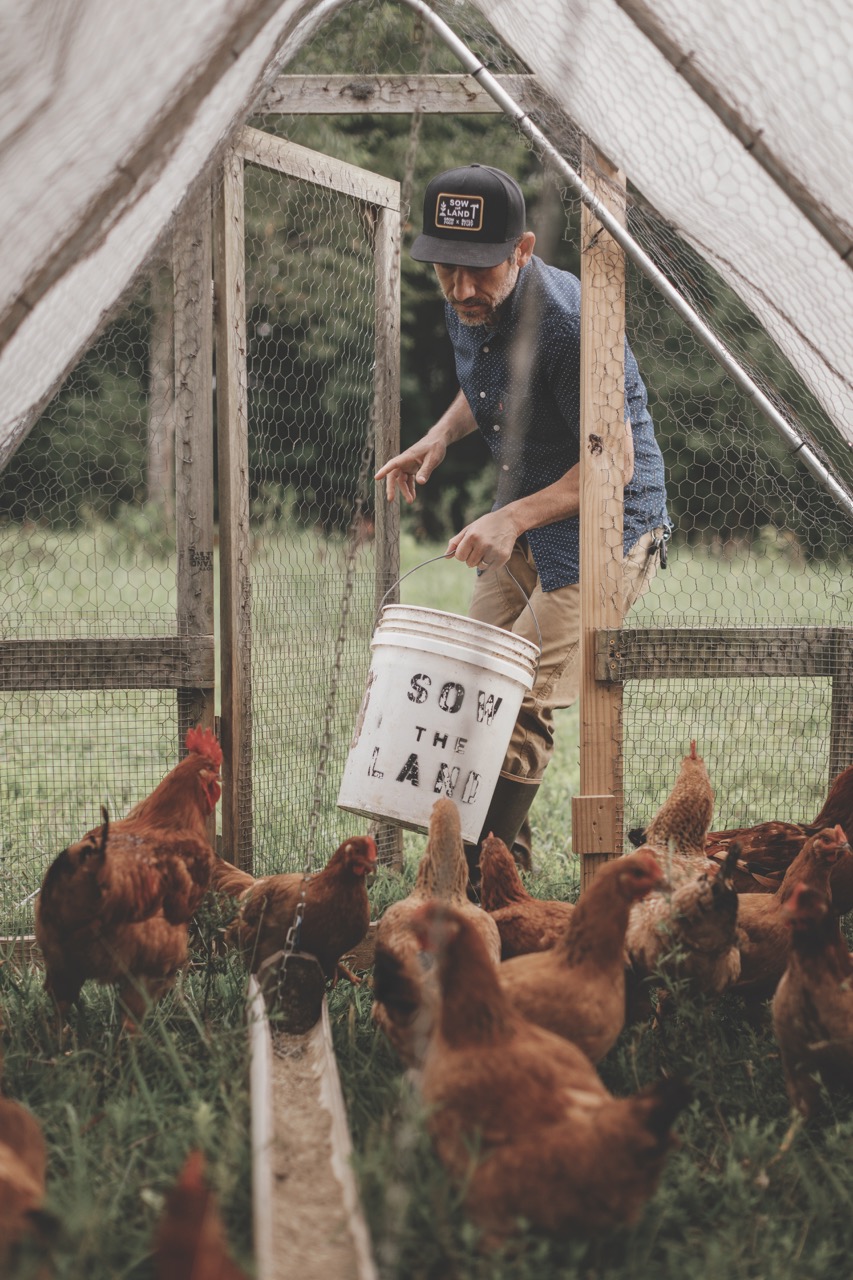
Before my family and I made the move to homesteading full time, I was a computer drafter for 17 years and was used to drawing plans of how to build stuff for other people. But I actually never built anything with my own hands until we started homesteading and working for ourselves. Unexpectedly, that design engineering background has helped me build things on our homestead as we need them. We have now been homesteading in western North Carolina since 2016, and since then, we’ve built various animal and human structures around the homestead to help us grow our own food.
There are many benefits to learning how to build what you need rather than simply buying it, and even more benefits to building projects out of scrap and repurposed materials, not least of which is the cost savings. For example, eight years ago, a chicken coop cost me $150 to build. That same coop would cost me $400 to build today if I were to buy all new materials. The price of materials for chicken coops and animal shelters are always going up, and they’re not coming down anytime soon. So building with repurposed materials has become a necessity.
Along with saving money, repurposing materials reduces waste in the landfill and at the same time can make you stretch your creativity when building something. Certain materials you save and use are not always square and the perfect size you need, and that can be a challenge. Instead of starting with a drawn out plan with a cut list and perfect measurements, you may have to start backward; take an inventory of what repurposed materials you already have on hand and figure out what you can make with it. That is where your creativity comes into play.
That being said, one of the benefits of already having the materials in front of you rather than starting with a drawing, is that you can better visualize how the structure is going to look and come together. In many ways, it’s more helpful to hold up a piece of wood with another, take a step back, and look at it in real life to see how it’s going to work, rather than seeing a video or a drawing first.
WHAT’S WORTH SAVING
Pretty much anything that you find laying around a homestead can be repurposed into something. Here are a few things I recommend holding onto, and some suggestions for how you might use them.
Metal Roofing
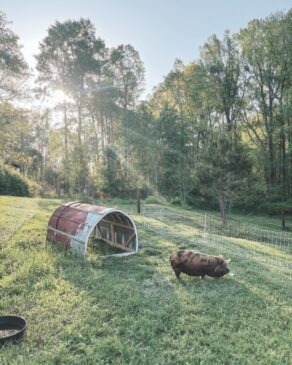
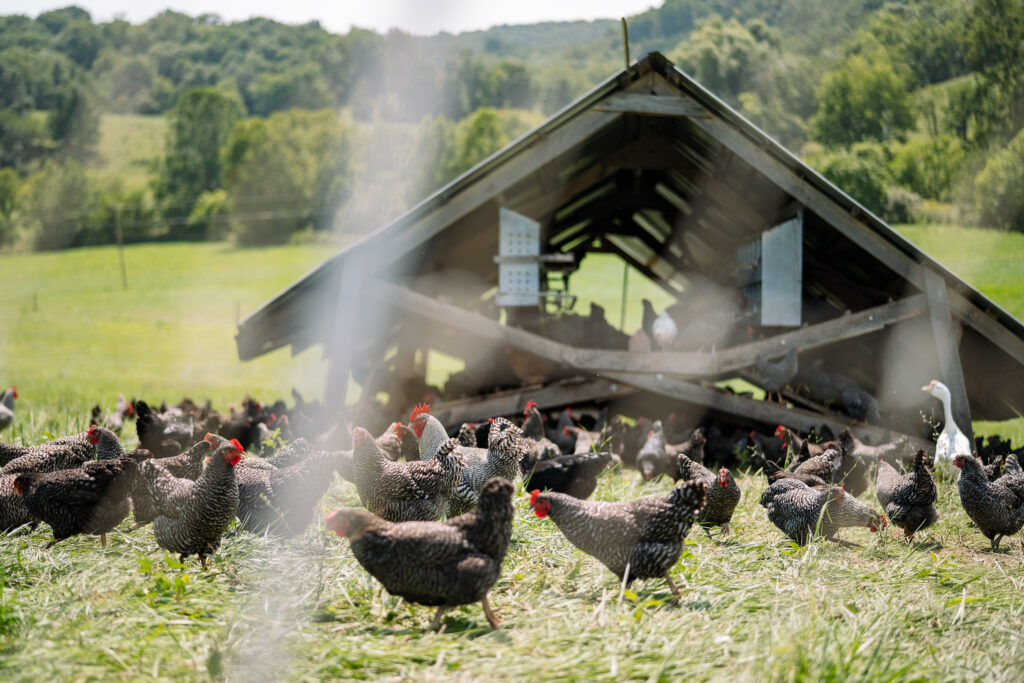
Old metal roofing is a good material to save. Even if it has screw holes, you can always add some silicone to the holes if need be. Metal roofing can be used for a chicken coop roof and also for adding onto the sides and roof of pig shelters and moveable coops. Even if you had to buy roofing for a chicken structure, I would try and buy metal rather than plastic because the metal will last longer, and if for some reason the structure doesn’t work, you can always take off the metal and repurpose it for something else.
Metal Hinges
If you come across old cabinets, the wood is usually cheap plywood but the metal hinges themselves are good to take off and reuse. Old hinges can be used to install on doors of chicken coops or chick brooders and anything with a hinge. It’s ok to install hinges that do not match. The chickens won’t mind.
Lumber Scraps
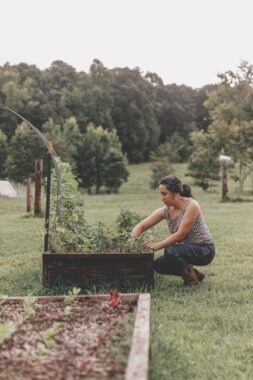
Weather-treated lumber scraps are good and also lumber that is not treated can be used as well. I have used scrap untreated pine before as raised beds that lasted a good six years before it started rotting away. That is well worth it in my book! Another way to treat used wood is charring it with fire. It not only looks nice but it helps with bugs wanting to eat the wood.
Pallets
Although they are not always the best, pallets can be good to break down and reuse the wood. Depending if the wood is solid and not cracked and riddled with nails. Most pallet wood is hard wood and rot resistant, which would be good for building things. Keep in mind, pallet wood usually consists of smaller pieces and you need more pallets to build something. You can also keep the pallets intact and, if you have enough of them, you can make a perimeter fence for pigs. Pallets are good for compost enclosures as well. Screw together three or four pallets and you’ll essentially have a box for making compost. Or add wooden legs to the pallet and make a table. If you can find free pallets, even better!
Old Fencing Material
If you can find someone tearing down an old wooden picket fence, you can reuse the fence for siding on a shed build. A more economical way to build raised garden beds is to use fencing material, and a lot of the time, it is made of cedar wood which helps protect against rot.
Sinks and Hoses
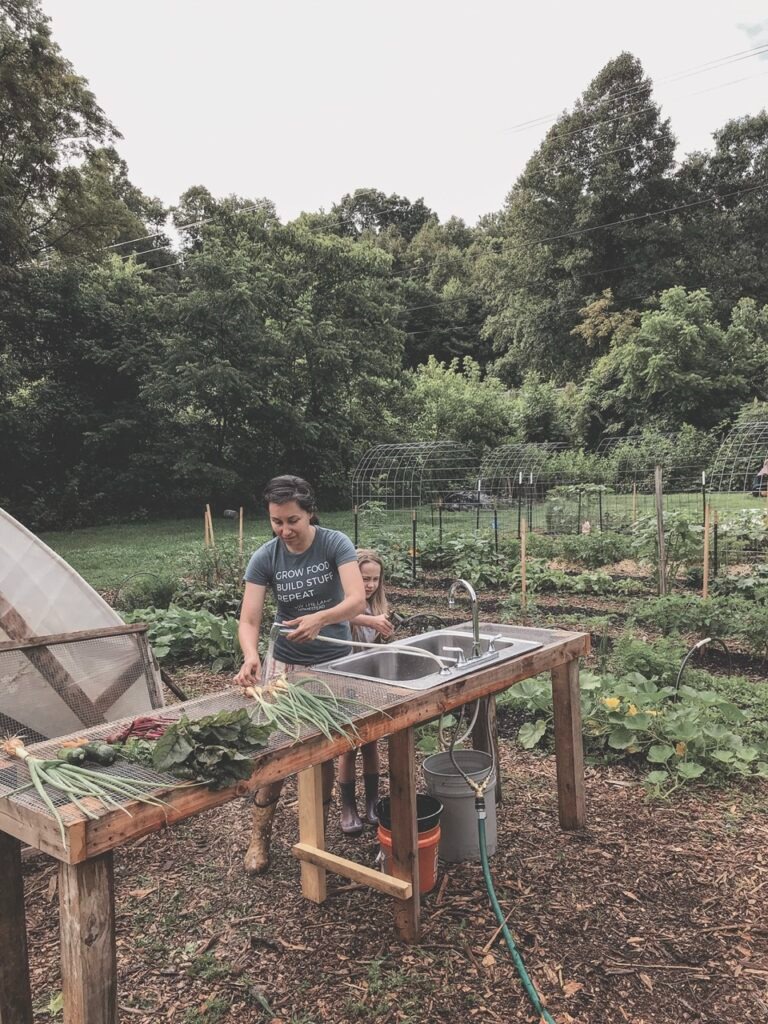
Old kitchen sinks—preferably stainless steel—are good to repurpose into an outdoor veggie washing station before bringing them into the house. Just attach a hose and you have an outdoor sink!
Old water hoses can also be used as handles when pulling moveable structures around. Slip a water hose over a chain or rope and it will save your hands when pulling a heavy structure.
PVC Pipe
Large diameter (3 to 4 inch) PVC pipe or old gutters can be repurposed into feed troughs for chickens. With scrap wood, you can cut to the size you want and feed broiler chickens, small chicks, and egg layer chickens using a handmade repurposed PVC pipe feeder.
Wheels
Bicycle wheels or lawn mower wheels of any size are good to use on moveable structures.
Five-Gallon Buckets
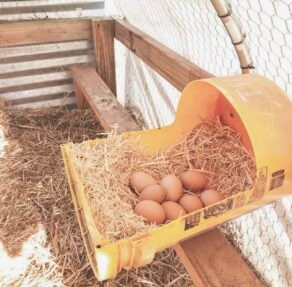
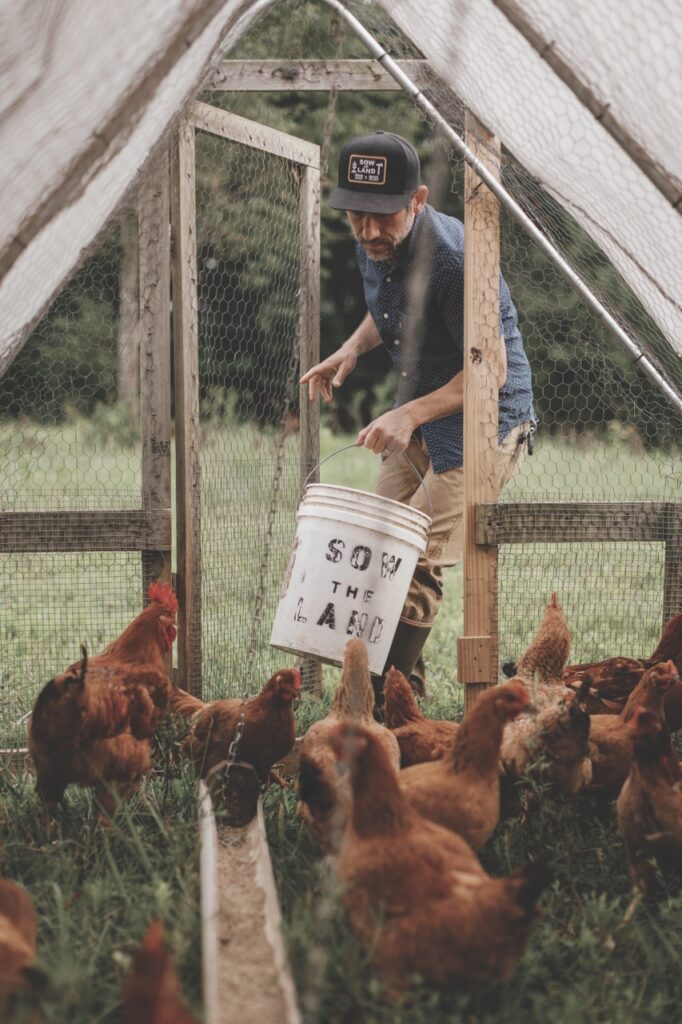
Five-gallon buckets are essential on a homestead for carrying feed and water to your animals. Usually the first thing to give out on a bucket is the handle. If you have a bucket handle break off, you can cut the bucket in half and repurpose it as a nesting box. Old chains can be used to hang waterers and feeders from.
WHEN TO TOSS IT OUT
You’ll probably notice when you start saving materials, they can pile up pretty quickly, and at some point you’ll have to get rid of the stuff you know you won’t use, otherwise you’ll end up with a huge junk pile on your hands. Plus, if you don’t have a place to store things out of the weather, they will eventually rot anyway and not be of any use.
A good rule of thumb when it comes to saving lumber is if it is under 12 inches, I throw it away or put it in a burn pile. I would say in most cases you probably won’t use a small piece of wood like that to build something. Also, if the wood is riddled with nails it can be very time consuming to de-nail a piece of wood and you have to decide if it’s worth your time to do that.
If materials are rusted, rotten, or broken beyond repair, that’s a clear sign that they’re not worth saving. And if you find you’re holding onto things for long periods of time with no idea how you might use them, it might be time to thin the junk pile to the things you’ll actually use. Not everything is worth saving, but the things that are worth holding onto could save you a lot of money, keep useful items out of the landfill, test your resourcefulness, and allow you to build one-of-a-kind custom pieces that you can be proud of!
LET YOUR CREATIVITY FLOW!
The possibilities are endless when it comes to repurposing materials. At first when you see a pile of used materials it can be difficult to see what you can build with it. For some it may look like a pile of trash, but with an open and creative mind, you can make some pretty cool stuff. It all takes practice and patience, but once you get going, your creative juices start flowing more easily and you start to see everyday items as future builds for your homestead.
With a little creativity, building with repurposed materials can look good and be functional at the same time. And even if it’s not pretty, I promise you the animals using it won’t mind at all!
To learn more about building with both repurposed and new materials on your homestead, check out Sow the Land on YouTube. My family and I document life on our homestead, showing people how to grow food and build stuff. I also have step-by-step build plans available on my website at sowtheland.com for anyone who is interested.

Leave a Reply