
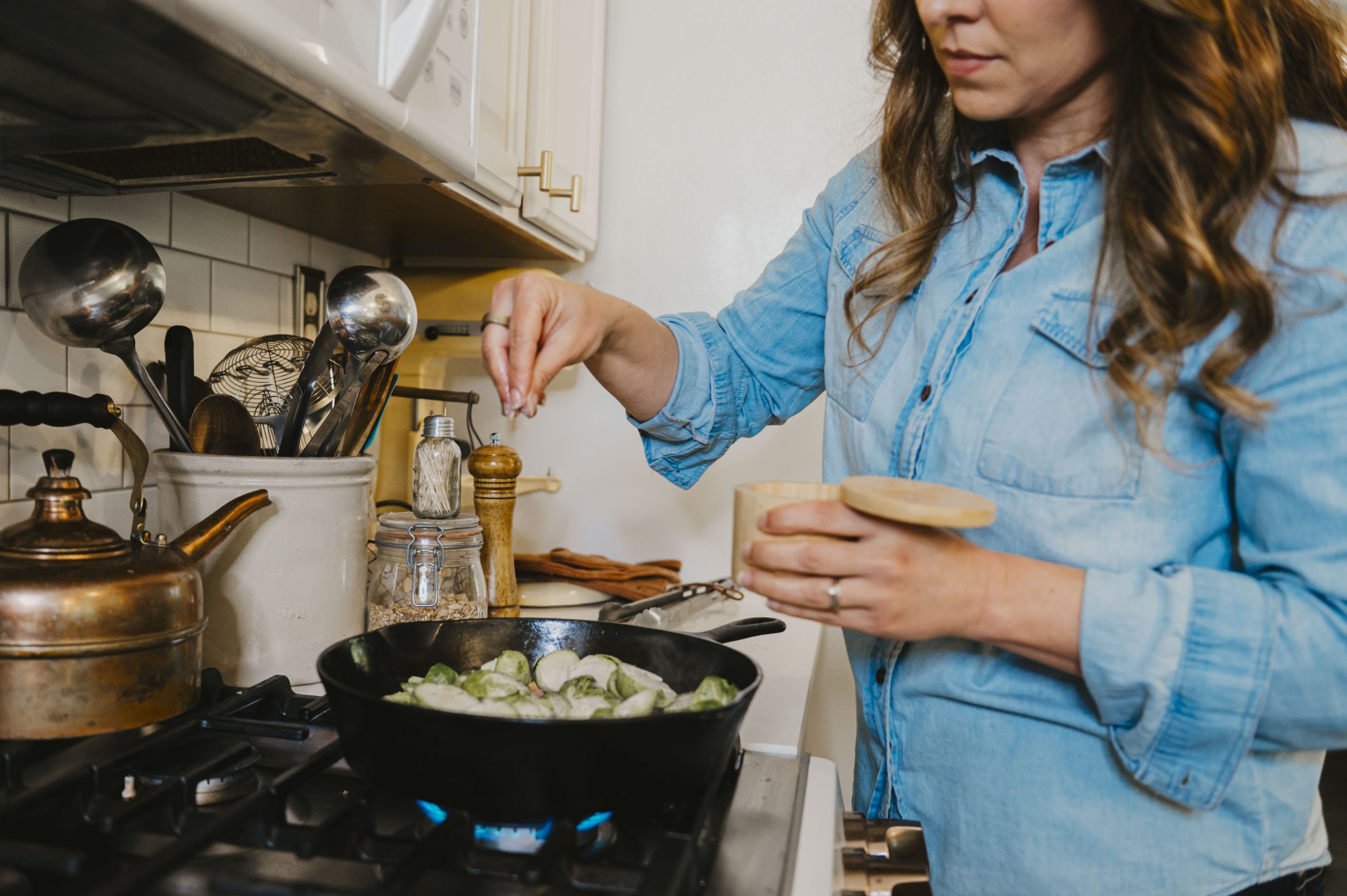
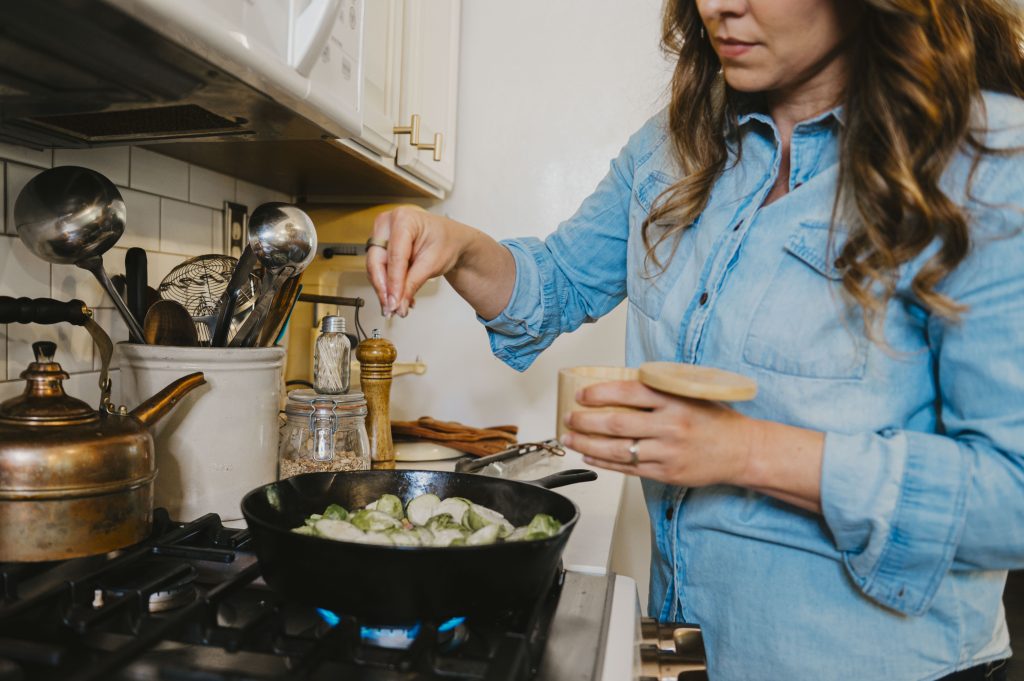
If there’s one piece of cookware I reach for every single day on our homestead, it’s my cast iron skillet. There’s a reason your great-grandma used one and probably passed it down—it works! It holds heat like a dream, adds flavor over time, and if you take care of it, it’ll outlive you.
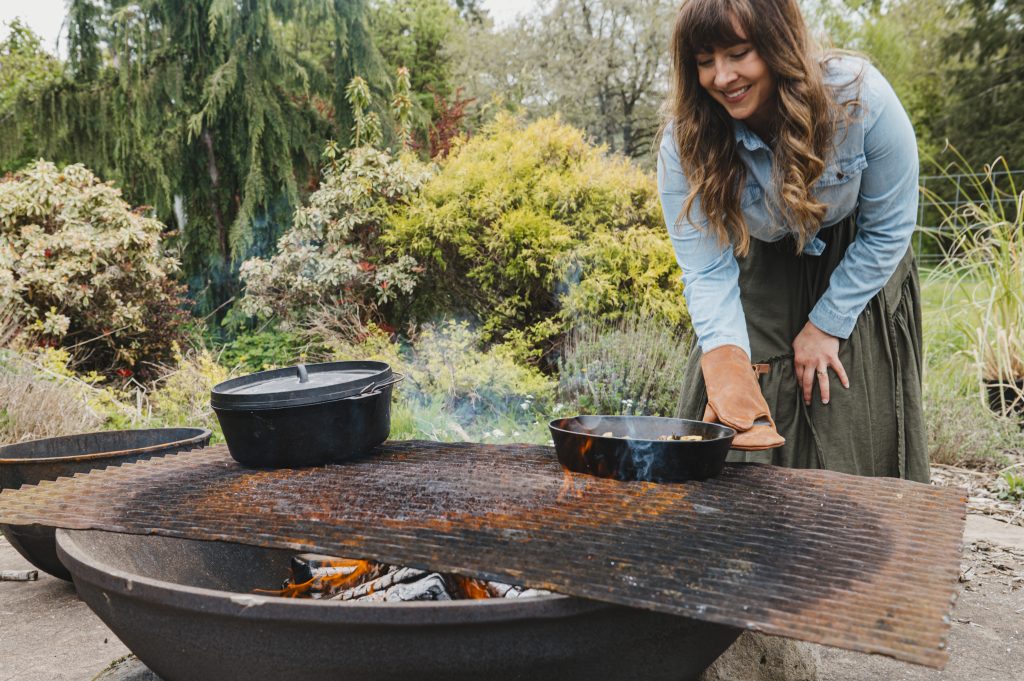
Whether you’re cooking over a wood stove, an open fire, or just your regular kitchen range, cast iron is a reliable workhorse. It’s the original non-stick pan—without the chemicals, coatings, or confusion.
Because here’s the deal: A lot of modern “non-stick” pans are coated with “forever chemicals” like PFOS and PFOA—forever, meaning once they get into your system, they rarely ever leave. These are linked to everything from cancer and hormone disruption to thyroid and immune issues. And while manufacturers insist they’re “safe” under normal use, those coatings do break down—especially with high heat or wear and tear over time—and there’s no home test to know how much has leached into your food.
Cast iron, on the other hand, is simple, time-tested, and safe. Plus, it adds iron to your food! Yet another area where our ancestors got it right.
A Personal Note on Cast Iron
When my husband and I got married, we inherited my grandmother’s old cast iron skillet. I didn’t really know how to care for it, and let me tell you, there were more than a few mornings with stuck-on eggs and frustration. But over time, I learned the art of seasoning—and how forgiving and wonderful cast iron truly is.
Once you get the hang of it, cast iron becomes more than a pan. It’s a part of your kitchen rhythm. So let’s walk through how to season it well, cook with confidence, and troubleshoot the hiccups along the way.
What is “Seasoning” Anyway?
Seasoning simply means baking a layer of fat onto the surface of your cast iron skillet. It creates that slick, non-stick coating and protects your pan from rust. It’s not flavoring—though seasoned pans do tend to make everything taste a little better. Instead, what’s happening is a process called polymerization. Basically, you’re turning oil into a hard, bonded layer that keeps food from sticking and moisture from creeping in.
How to Season a Cast Iron Skillet
(The Right Way)
Step 1: Clean It
Whether your skillet is brand-new, secondhand, or even a rusty gem passed down to you or picked up from a garage sale (bless you for rescuing it!), you’ll want to give it a good scrub. Use steel wool or a stiff brush to remove any rust or gunk. For heavy rust, soak it in a 50/50 mix of vinegar and water for a few hours—just don’t let it sit too long or it’ll start eating into the iron itself.
Rinse well and dry completely. I like to place it on low heat for a few minutes to ensure all of the moisture is gone.
2. Oil It Up
Rub a very thin layer of oil over the entire pan—inside, outside, even the handle. You can use flaxseed oil (popular because it polymerizes well), but I’ve had great success with rendered lard, beef tallow, or avocado oil. The key is to choose a fat with a high smoke point.
Wipe off the excess—this is crucial. You want the pan to look nearly dry. If it’s sticky after baking, that’s a sign of too much oil.
3. Bake It In
Place your skillet upside-down in a 450°F (232ºC) oven with a baking sheet or foil underneath to catch drips. Let it bake for one hour, then turn off the oven and let the pan cool completely inside.
For a stripped or brand-new pan, I repeat this process two or three times. This builds up a rich, black patina that will serve you well for years to come.
Cooking With Cast Iron:
Tips From My Homestead Kitchen
The more you use your cast iron, the better it gets. Those layers of seasoning build up every time you cook, especially with good fats. Here’s how to keep that momentum going.
Preheat Your Skillet First
Cast iron takes a bit to warm up, but once it’s hot, it holds heat beautifully. I always give it about five minutes on medium heat before adding food. This is especially important for pancakes, eggs, or anything that tends to stick.
Use the Right Fats
Don’t skimp on fat. Cast iron loves butter, lard, tallow, bacon grease—you name it. These not only prevent sticking but actually help to season your pan as you cook.
Don’t Baby It
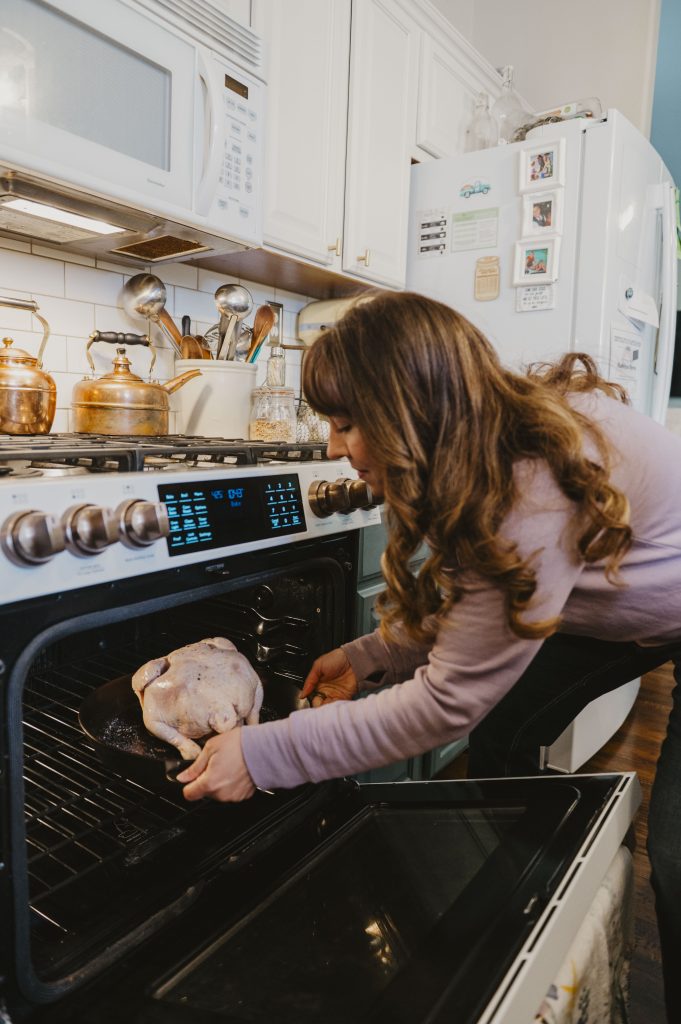
You’re not going to hurt your cast iron by cooking boldly. In fact, the more you use it, the better it gets! So sear that steak. Roast that chicken. Blacken those veggies. It’s part of what builds flavor and keeps your skillet in top shape.
Cleaning and Caring For Cast Iron
After cooking, allow your skillet to cool enough that you can handle it with bare hands, then scrape off any food bits with a metal spatula or scraper before hand washing.
A note about soap
This gets debated a lot. Back in the day, soap contained lye, which stripped seasoning. Most dish soaps today don’t—but I still rarely use it. I find that water, heat, and a good scrub do the trick, and soap can still strip those soft, newer layers of seasoning that aren’t fully bonded yet.
For stuck-on bits, I pour a little water in and simmer it on the stove. That usually loosens everything up. Then I wipe it dry and rub in a thin layer of oil before putting it away.
Troubleshooting Common Cast Iron Issues
Food sticking? It’s usually one of three things: not enough seasoning, not enough preheating, or not enough fat.
Rust spots? No big deal. Scrub them off and re-season.
Gray, dull surface? Just needs more cooking and more oil. Keep at it.
Just like any new skill, it takes a little time and practice to get used to cooking with cast iron, but once you do, you might never go back to modern cookware!
A Few of My Favorite Cast Iron Dishes
If you’re just getting started, here are a few tried-and-true recipes that pair perfectly with cast iron:
Skillet Cornbread – Golden edges, moist center. There’s no substitute.
Sourdough Pancakes – Cast iron gives them the perfect crisped edge.
Pan-Seared Chicken Thighs – Crispy outside, juicy inside. You can even make the gravy in the same pan.
Farmhouse Hash – Potatoes, garden veggies, sausage… everything you love in one skillet.
Biscuits – Something about baking them in cast iron just makes them taste like home.
A Return to Tradition
Cooking with cast iron isn’t just about the pan—it’s about returning to a slower, more intentional way of preparing food. When you take time to season, care for, and cook with cast iron, you’re not just making dinner—you’re stepping into a tradition that’s stood the test of time.
And friend, that’s what this whole homesteading life is really about. Doing things with purpose. With patience. And with a whole lot of heart.
So go pull out that skillet—whether it’s brand new or handed down—and know that every meal cooked in it carries a little piece of heritage, and a whole lot of love.


Leave a Reply