
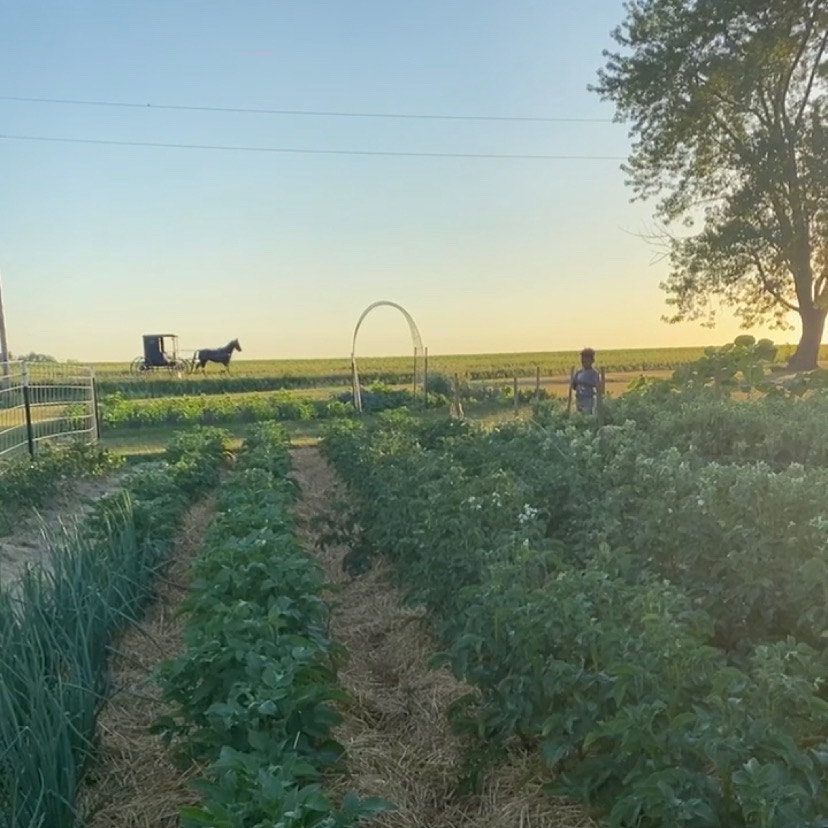
It had been one of the hardest winters on record in Iowa. Snowdrifts reached the roofs of single-story buildings, and temperatures remained below zero for weeks at a time. We were newlyweds, Elvin and I, and yet somehow, in that first year of marriage, we had managed to scrape together enough money for a down payment on 20 acres at the very edge of our Old Order Mennonite community.
The farm had a sad story. Once a thriving 240-acre, multi-family dairy farm, hard times had forced the family to sell off the land little by little, and before long, the large two-story barn stood empty, and only 20 acres remained. The empty buildings slowly deteriorated, as buildings do without love and care to hold them together. The family moved to town, and the property was put up for auction.
By the time we bought the farm in late 2000, only the house and one outbuilding remained salvageable. We closed on the property shortly before Christmas and moved in on New Year’s Day, 2001. Snowdrifts higher than pickup trucks lined both sides of the gravel road leading to the property. The main water line was frozen, and all the farm cats had taken up residence in the attached garage. The smell of a dozen cats permeated the entire house while the family’s big Rottweiler—who had refused to move to town with his family—stood guard outside the garage door, keeping the cats captive inside.
When the snow finally melted that spring, we discovered some surprises: a large concrete pad in front of the garage that we hadn’t seen before, a cute walkway from the house to the driveway, and piles upon piles of junk. Partially buried cars, trucks, farm equipment, and even mounds of dirt we suspected concealed fully buried cars and trucks. Broken-down fencing, concrete slabs, and vintage dishes, jars, and tools continue to be unearthed by the Zimmerman children to this day.
In those early years, the property felt more like a burden than an opportunity as we scrimped and scraped to make each mortgage payment.
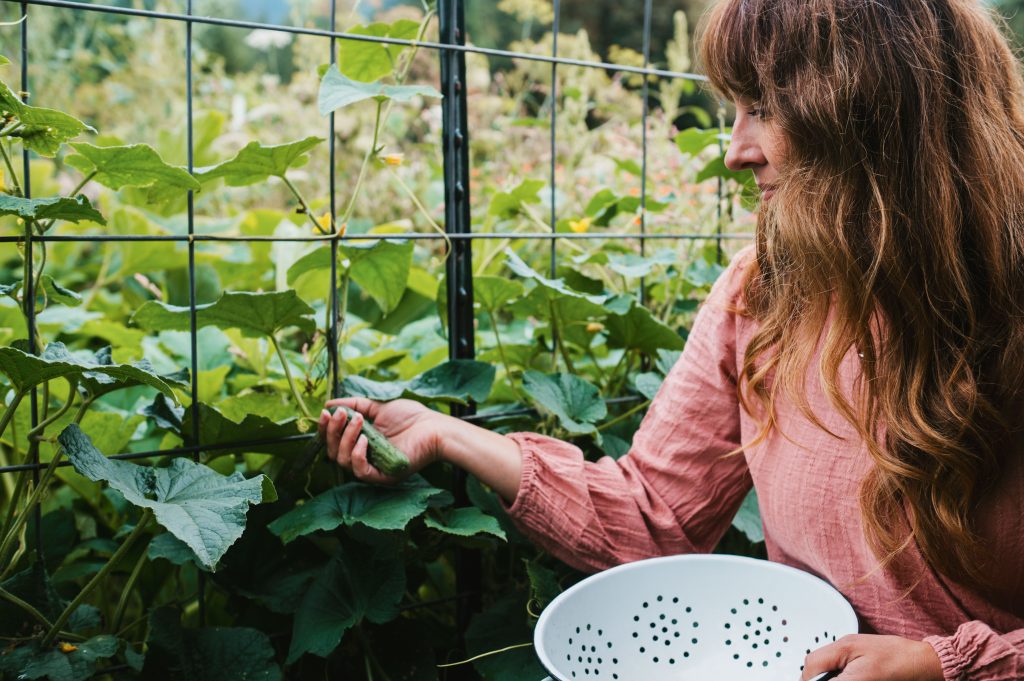
A large garden went in the first summer after the snow had melted—not because I had a desire to garden, but because that was part of Old Order Mennonite culture. Everyone had a garden. None of the moms and grandmas in my lineage had ever missed a growing season or an opportunity to grow food for their family. I earnestly worked the land and began growing vegetables that I then preserved for winter.
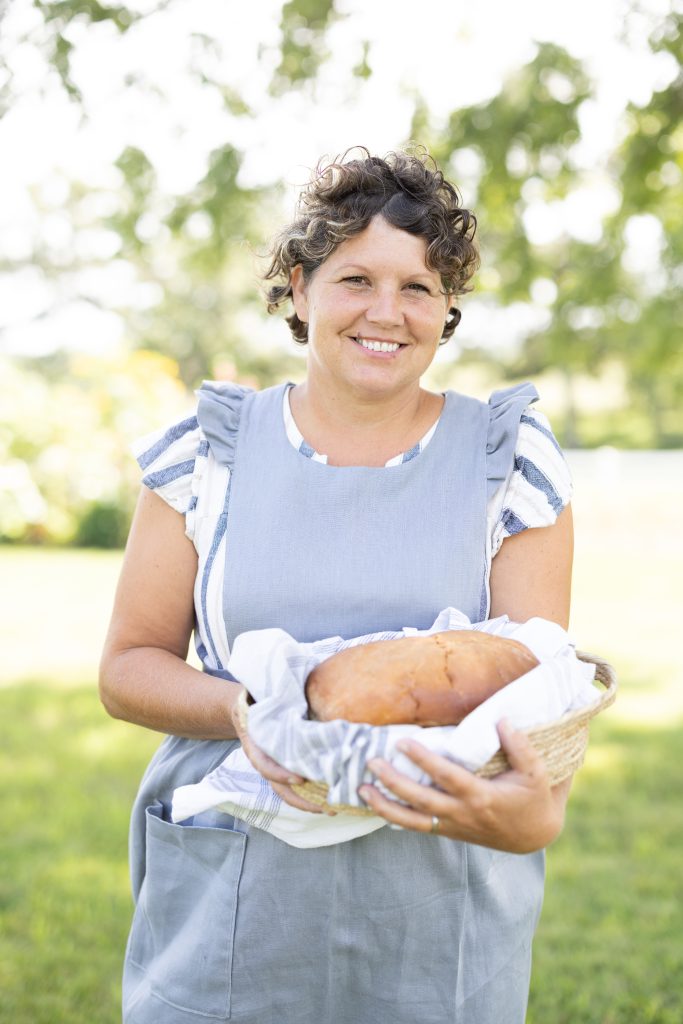
By the summer of 2004, we had two young daughters. Inspired by the women in my family, I expanded the garden—then expanded it again—until I was growing more food than my family could eat. Elvin and I would pick, clean, and pack the vegetables, load them onto a wagon, and I’d take the kids with me to the local farmers market where we’d sell out and come home with some hard-earned grocery money.
As the family grew, so did our nutritional needs, and before long, the garden went from being a market garden to simply growing food for our growing family.
In 2007, as we struggled to align our newfound personal relationships with Jesus Christ with the religious culture of our childhood, we made the difficult decision to leave behind the Old Order Mennonite way of life and step into the modern world. So we sold our horse and buggy and used the money to buy a used minivan.
What followed was nothing short of extreme culture shock.
Suddenly, we were immersed in the modern world: television and radio were no longer forbidden. There were no more dress codes or banned events. No one was there to tell us that one mode of transportation was more righteous than another or that wearing a dress was more acceptable than wearing jeans. For the first time, Elvin and I had to decide for ourselves what was good, right, and God-honoring for our growing family.
And this is where our homesteading story truly begins.
Balancing Old Order Values with Modern Life
As we faced raising our family in the modern world—a world in which we had no experience—we became very intentional. Without the strict rules and boundaries of the Old Order Mennonite church, the weight of raising a family seemed extremely heavy and unfamiliar to us. Studying the modern culture around us and trying to determine where we fit, we quickly became disenchanted with the child-centered approach to parenting, in which children are encouraged to remain childlike long after their development could support maturity, rather than developing character traits that would serve them in adulthood, like work ethic, time management, and self-discipline.
Elvin and I began asking each other: How is work ethic developed? What about time management or self discipline? Where did we learn these important life skills?
I looked at Elvin, who’d grown up on a dairy farm alongside his 12 siblings, milking 50 cows before school every morning. “My earliest memory of doing something hard,” I told him, “something I really didn’t want to do, was when I was 10 years old and had to get up and milk the family cow before riding my bike to school every morning.”
We agreed that animal chores would be a good place to start.
Then we thought: Maybe work ethic, self-discipline, and time management begin much earlier than we even remember. Maybe they don’t start with milking the family cow—maybe they simply begin with doing things we don’t feel like doing.
What a relief to realize we didn’t need a milk cow to begin building character! Our kids were still little—we could start small. So we bought some baby chicks from a Mennonite neighbor. We didn’t even ask what breed they were. We weren’t after meat or eggs, after all; we just wanted to give our children something to care for.
We built a simple chicken tractor, and the chicks thrived under the watchful eyes of our preschoolers. They grew and grew—until they were nearly the size of small turkeys. As it turns out, they were Cornish Cross chickens,—a breed that is raised for meat and is meant to be harvested around 6–8 weeks old. When Elvin’s parents came to visit that summer, they told us, “Those chickens won’t survive the winter. Do you want us to help you harvest them?”
Into the freezer they went, and quite a few hearty meals came out of it.
With the chickens gone, we needed a new chore for the children. My brother-in-law connected us with some “runt piglets” that needed a home. The kids and I loaded a dog kennel into our red Mercury and headed out. But the “piglet” turned out to be a 75-pound hog that couldn’t fit in the kennel. Determined, I loaded the pig straight into the trunk. The children and the empty kennel rode in the back seat. On the way home, the pig started rooting around behind the seats, and the smell of manure filled the car. Thankfully, the journey home was only a dozen miles or so. Everyone recovered—except the Mercury. I assume the next owner may still wonder, on warm humid days, why the car smells faintly of pig.
Raising Animals, Growing Character
With a pig now in our tumble-down barn, we once again had an animal to feed and water. Again, we fed the pig until it was market size, and then we continued to feed it. It grew and grew, until finally, as winter approached, we brought it to the butcher. When we picked up our meat, the butcher told us, “That was the largest hog I’ve ever butchered. I’ve processed beef smaller than that!”
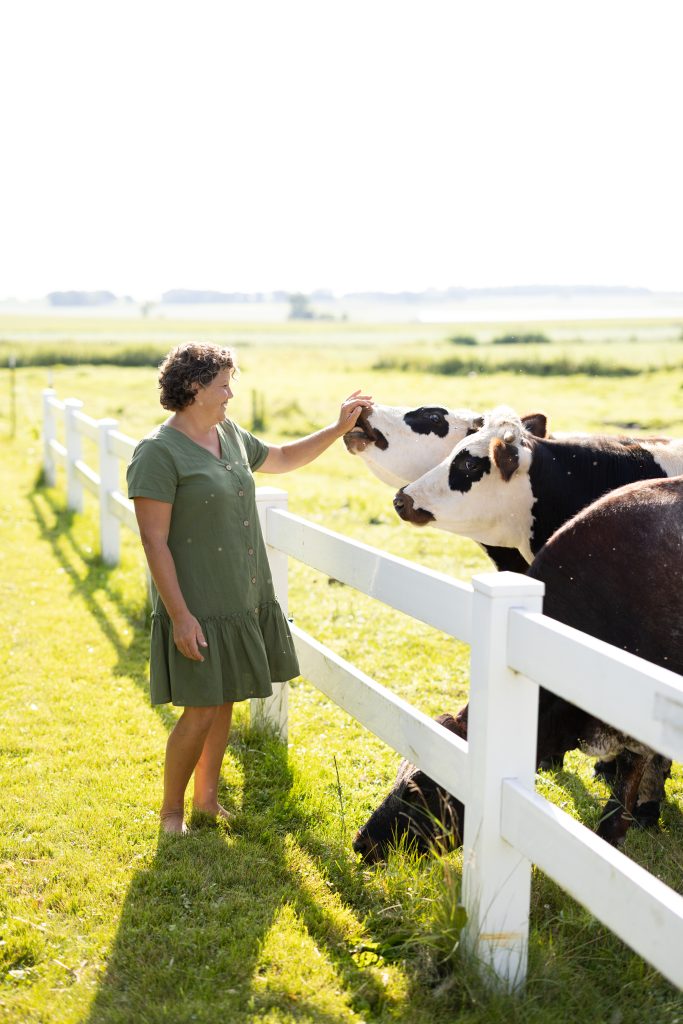
After the pig came Gertie, our first milk goat. Bringing fresh, warm milk into the house each day for my growing family—and turning it into yogurt and other delicious foods—is what really got our homesteading wheels turning! Gertie birthed four kids that spring, and that was our formal introduction to the natural expansion that happens on the homestead.
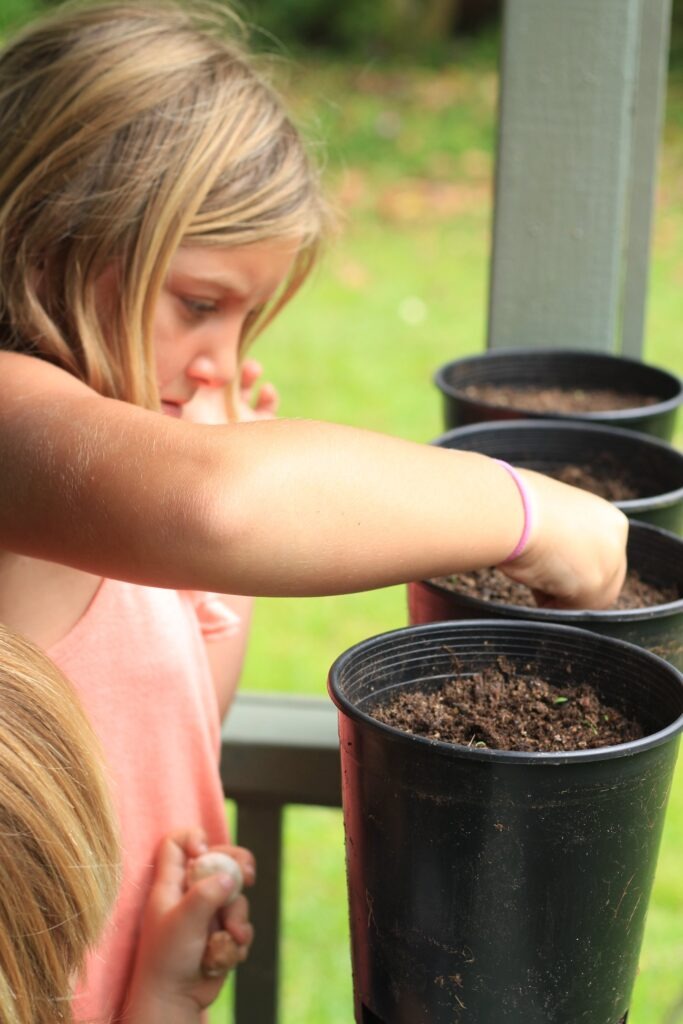
Not only did our children have the opportunity to develop character through daily chores, but we were also adding nutrition to the family’s diet and saving grocery money—all while spending quality time together building relationships.
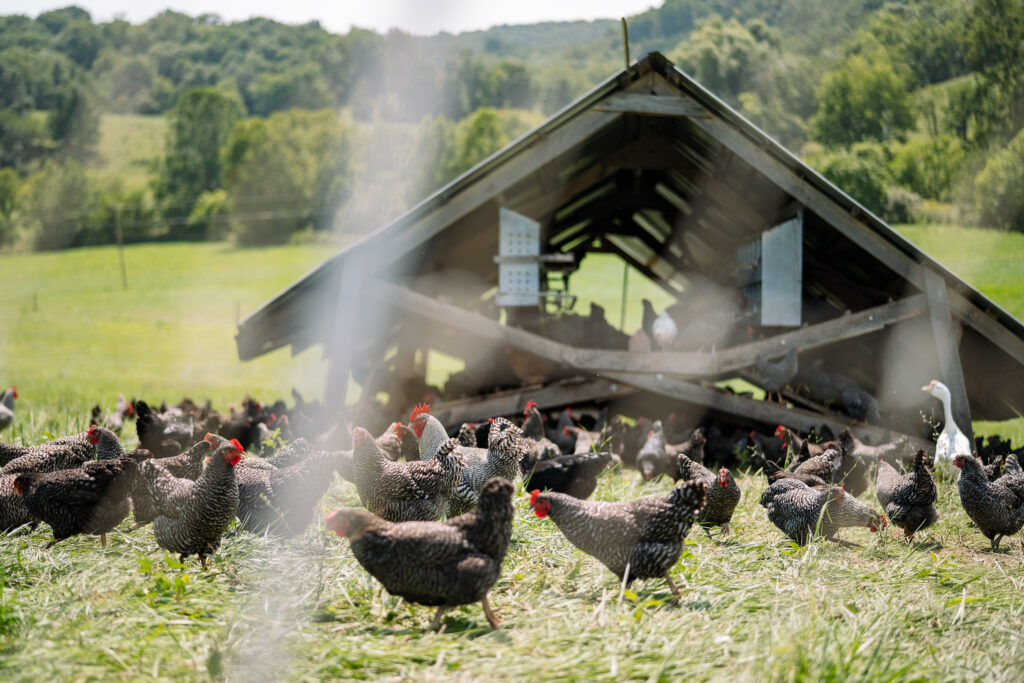
It wasn’t long before our family grew to include seven children, and as they matured and needed chores, our homestead grew with them. We added laying hens and started raising meat birds every summer. We bought a couple of weanling pigs each spring and harvested them in the fall. We graduated from goats to a milk cow. Those cows multiplied themselves—as cows tend to do on a homestead—and milking them before school became a chore for our children, just as it had once been for Elvin and me.
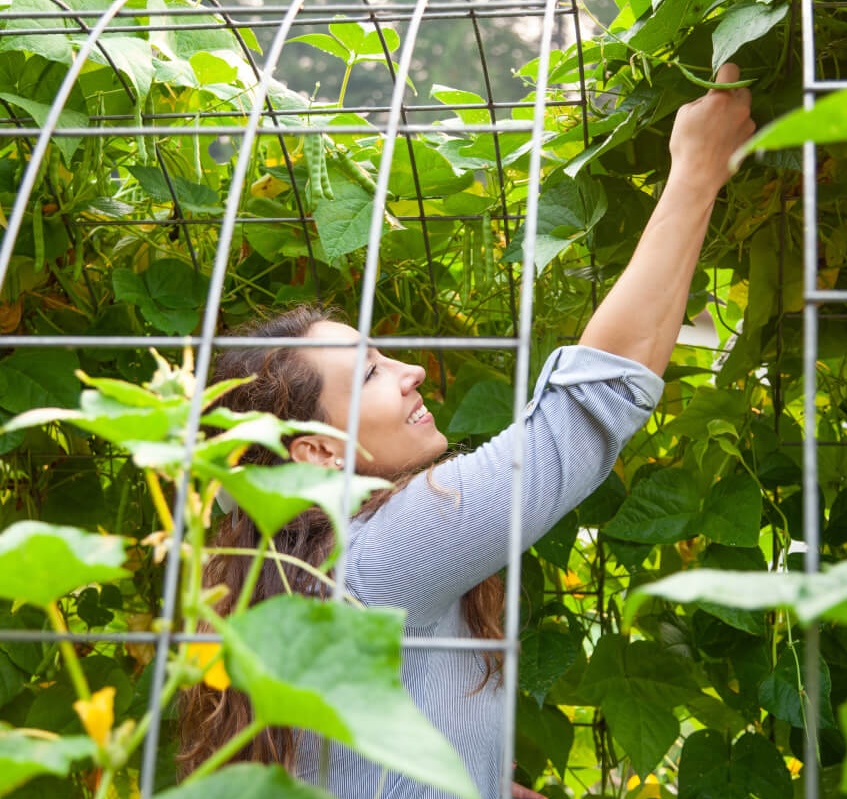
Filling water troughs and moving fencing became part of our summer routine, along with weeding the garden and harvesting and preserving fruit from our orchard.
Year after year, as we filled our shelves with canned goods, our freezers with homegrown beef, pork, and chicken, and our cheese cave with homemade cheeses, our family thrived. Bodies grew strong, and so did character and relationships—not just in the children, but in the adults as well.
Chores needed to be done rain or shine, in blizzards or thunderstorms, whether we felt like it or not. Animals were born, and animals were harvested. Milk cows had to be culled, and Thanksgiving turkeys sometimes disappeared into the woods to join their wild cousins. Broody hens hatched baby chicks. Daddy ducks fiercely protected the nests of their mates. Some animals died that weren’t supposed to. Crops were harvested, and crops were lost to drought or heavy rain. And in this way, the seasons passed—and still our family thrived.
The Snowball of Intentional Living
What started out small, one animal at a time, with a simple goal of helping our young children develop strength of character through chores, has gained momentum like a snowball rolling down a hill.
As corruption within the alphabet agencies was revealed, nutrition became a larger part of our long-term goals. As we learned about the value of permaculture, we added healing the land to our mission. The more we learned about the perversion of a fallen world, the more intentional we became about creating a countercultural family. The more we witnessed broken relationships, the more committed we became to building strong ones—through meaningful, shared experiences.
That snowball was first pushed, bit by bit, by just Elvin and me. The going was slow and often took all the strength we had. But as our children matured enough to understand the direction we were headed, they began to help push too. With each new goal, child, and animal, it felt as though the snowball began to roll on its own.
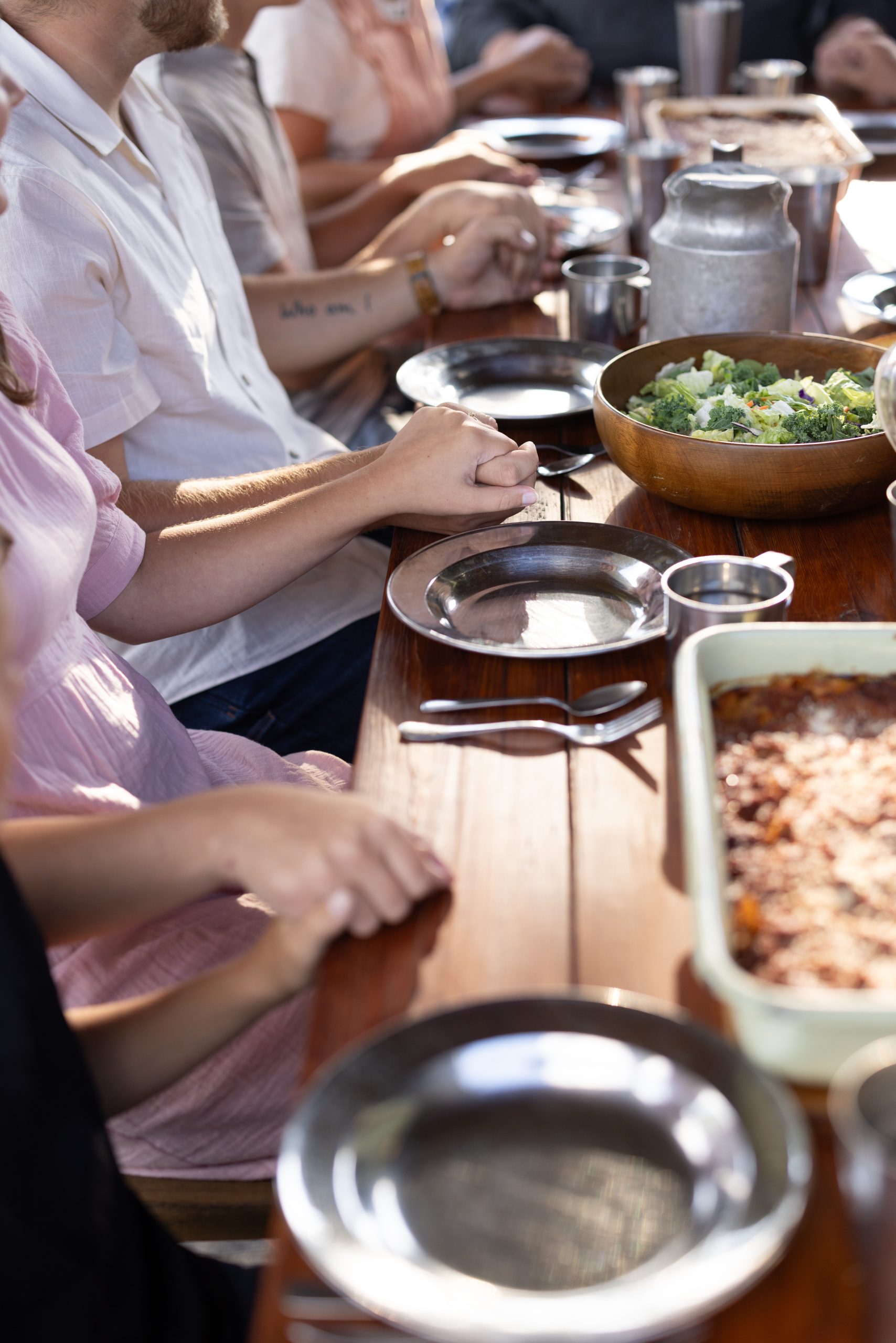
These days, with pastures full of animals, a large garden full of crops, and more adults and young adults than little ones gathered around our family dinner table, it feels like Elvin and I are running full speed alongside the snowball we’ve built, doing our best to keep up. We watch its direction closely—offering a word here, a nudge there—and save our breath for the next sprint.
As we link hands behind it, our eyes meet and we smile with contentment. We know the next sprint forward might be the one that leaves us behind. We’re okay with that. Our linked hands will prevent backward movement. No matter if future generations let go of the milk cows, the garden, or any of our original goals, we’re confident the snowball is headed in the right direction.
It is on course toward that heavenly goal we first set our eyes on all those years ago—and it is our prayer that many more will join us along the way.
Photo credit: Photos by Jay Eads, shared with permission from Harvest House Publishers
Leave a Reply