
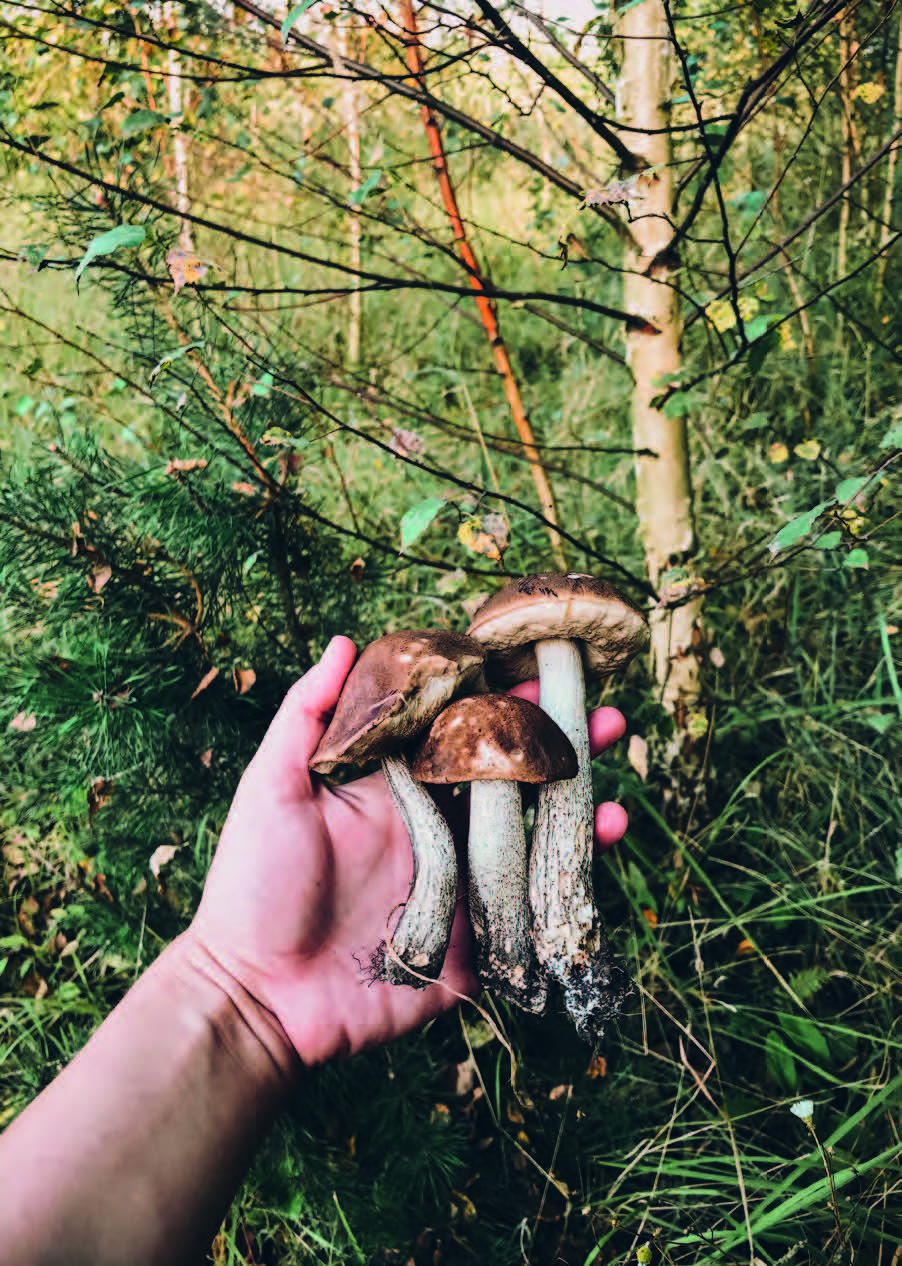
“In every walk with nature one receives far more than he seeks.” – John Muir
To learn the names of plants and how to identify them is to step into a rich relational ecosystem. It is to grow in intimate connection with a place; to develop an awareness of seasonality and micro-climates that are not available in any four-walled classroom. Further, learning how to forage, prepare, and incorporate wild foods into your daily meals offers a whole new level of connection with the outside world.
Wild foods also offer nutrient density that we lack even in our best diets. For example, a simple and abundant edible tree crop like mulberry leaf is high in fiber, calcium, magnesium, vitamins A and C. Along with nutrient density, wild foods provide us with the type of diversity that allows the microbes in our gut to thrive. Plus, many wild foods have a low environmental impact. While we still have the work of harvesting, cleaning, preparing, and preserving, they do not require our attention or inputs to grow.
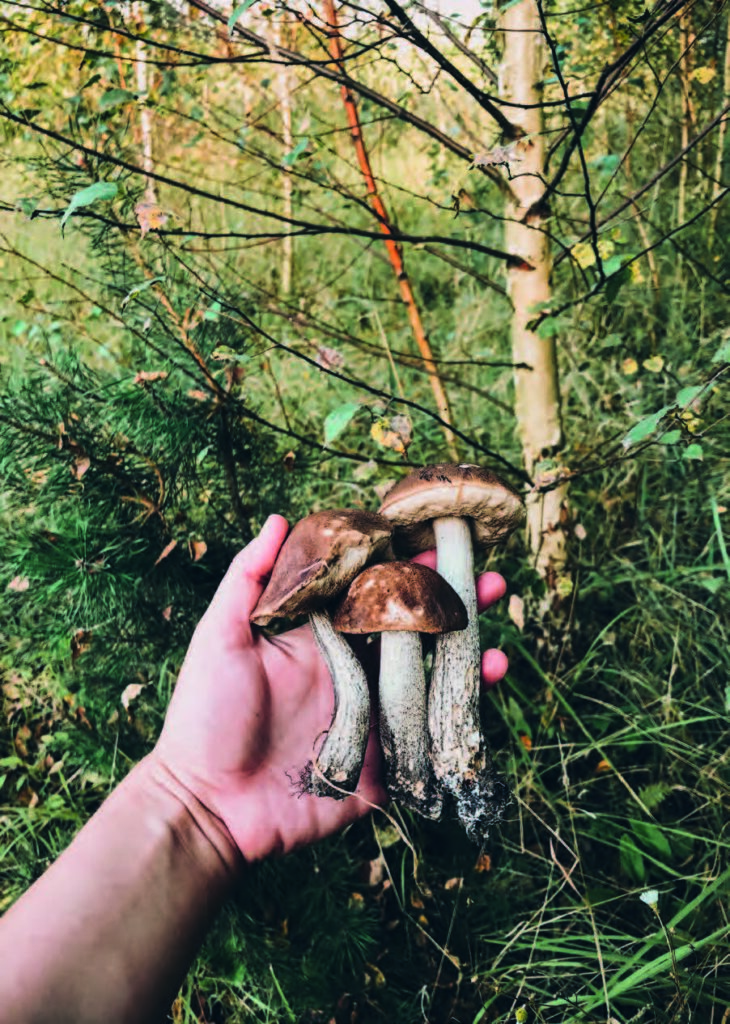
Wild Food Foraging Tips
Here are a few good ways to begin foraging for wild food. This does not all need to happen at once, however; it can simply be part of your daily life and routines.
- Join a local foraging group to share collective wisdom and expertise, spurring one another on to greater discovery.
- Spend some time reading bio-regional foraging books. Start small and grow your repertoire. Begin looking for plants with no problematic look-alikes that are easy to identify.
- Keep a “notice” Journal: make note of weather conditions as well as when and where you find things. This is an invaluable practice. I have a small field notes journal that I keep with me whenever I am out.
- I am pretty old school and love my plant identification books, but an app like iNaturalist can be a helpful tool simply because you’re likely to have it with you. I use it to see what other people in my area are finding.
- Identify a foraging area and make a daily or weekly habit of walking there, taking time to notice what is growing and changing. I recommend avoiding roadside foraging since there is a lot of heavy metal accumulation in street water runoff.
Once you have learned a few plants and mushrooms and successfully gathered them, you can begin to incorporate them into your regular food repertoire.
Cooking With Wild Food
Cooking with wild food is to typical cooking as improvisational theater is to a script-read play. When working with wild ingredients, you never know what will come your way: oyster mushrooms, locust blossoms, service berries… The best way to be prepared to cook with wild foods is to keep a well-stocked pantry of common ingredients, and to have a few simple dishes that you can prepare in a variety of ways. A basic quiche recipe, a homemade pizza, or an embellishment of eggs on toast will readily accommodate a wide variety of foraged items.
One of the most abundant wild foods you will find (especially in the spring) will be beautiful, bountiful greens. You can use these greens anywhere you might normally use spinach. Wild greens can sometimes (not always) be more bitter than your cultivated greens, but we can work with that in mind. You are not limited to only one type of green. I will often mix a few dandelion greens with more mild greens such as lambs quarters. And if you have excess seasonal greens such as lambs quarters, dock, or nettle, you can dry them for use when greens are more scarce.
While cooking with wild foods can be an incredibly rewarding adventure—one that I hope you’ll embark on!—keep in mind that there is always some inherent risk involved in foraging for one’s food. You must be in charge of your own health. Don’t eat things that might hurt you. Develop a few trusted sources of info, and make a 100% positive identification before proceeding. Even then, tip-toe in: A smell, pause; a touch of the tongue, pause; a nibble, pause. If at any point your body says “Stop doing this to me,” listen. Don’t be fearful, but be alert and aware. What you consume is your responsibility.
That being said, once you learn to familiarize yourself with a few different wild foods, you’ll be able to identify, harvest, and enjoy them with confidence, but the only way to build that confidence is to get out there and start learning. While there is much we can learn about these plants through books and guides, the only true way to bring them into our lives and onto our dinner plates is to get out “in the field,” (or the forest), and get to know the wild foods in your area on an intimate level—learn to love them.
By incorporating more wild foods into your meals, home, and hospitality, my hope for you is that you develop an appreciation for the wild edibles in your area, and that your life is enriched with the bounty provided by your unique and wonderful ecosystem. Bon Appetit!

Leave a Reply