
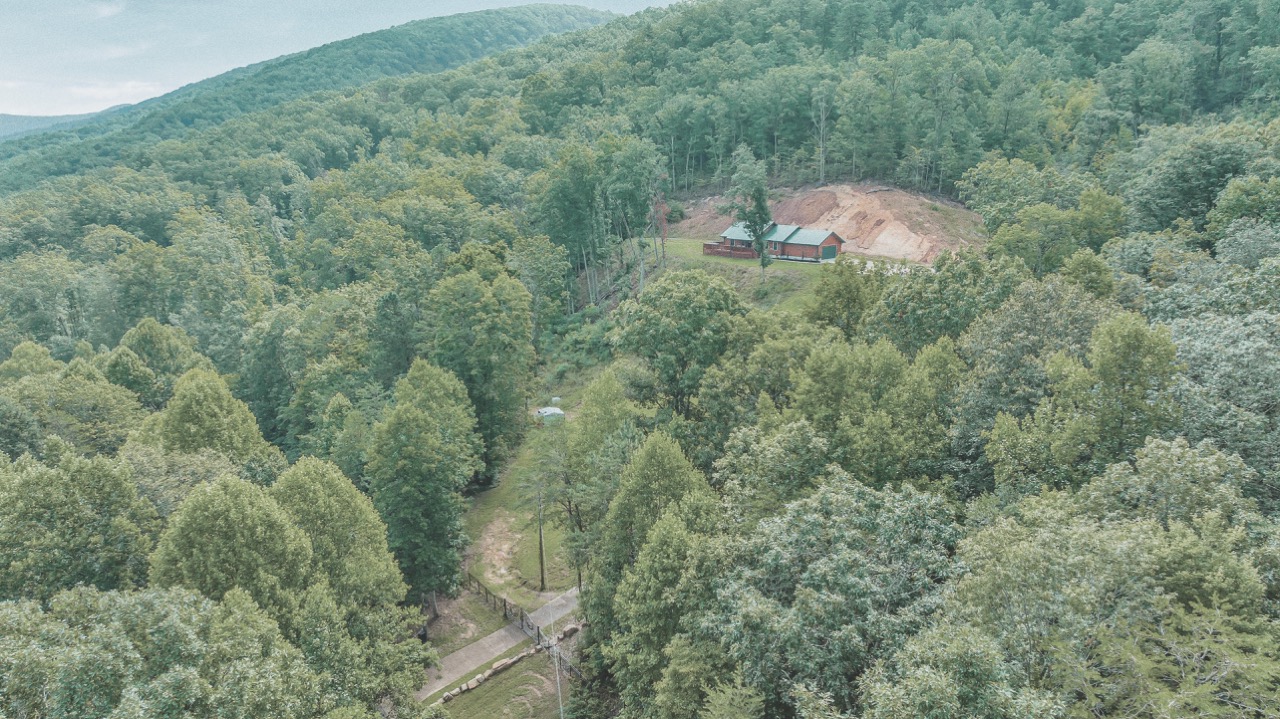
March 2020 changed everything. As California shut down around us, with empty grocery stores and closed restaurants, I faced a stark realization: in pursuing convenience, we had sacrificed our freedom and security. That moment took me back to my days as a combat engineer during the 2007 Iraq surge, where securing food and water supplies wasn’t just a concept—it was a matter of survival. That was the moment my wife and I decided to embark on a new journey together as homesteaders.
When our family decided to leave California, we learned firsthand how challenging it can be to evaluate property for homesteading. Traditional realtors showed us beautiful homes but couldn’t answer critical questions about water rights, soil quality, or growing seasons. My military engineering background kicked in—I knew we needed to assess properties the same way I had evaluated sites in Iraq, looking at resources, vulnerabilities, and natural advantages.
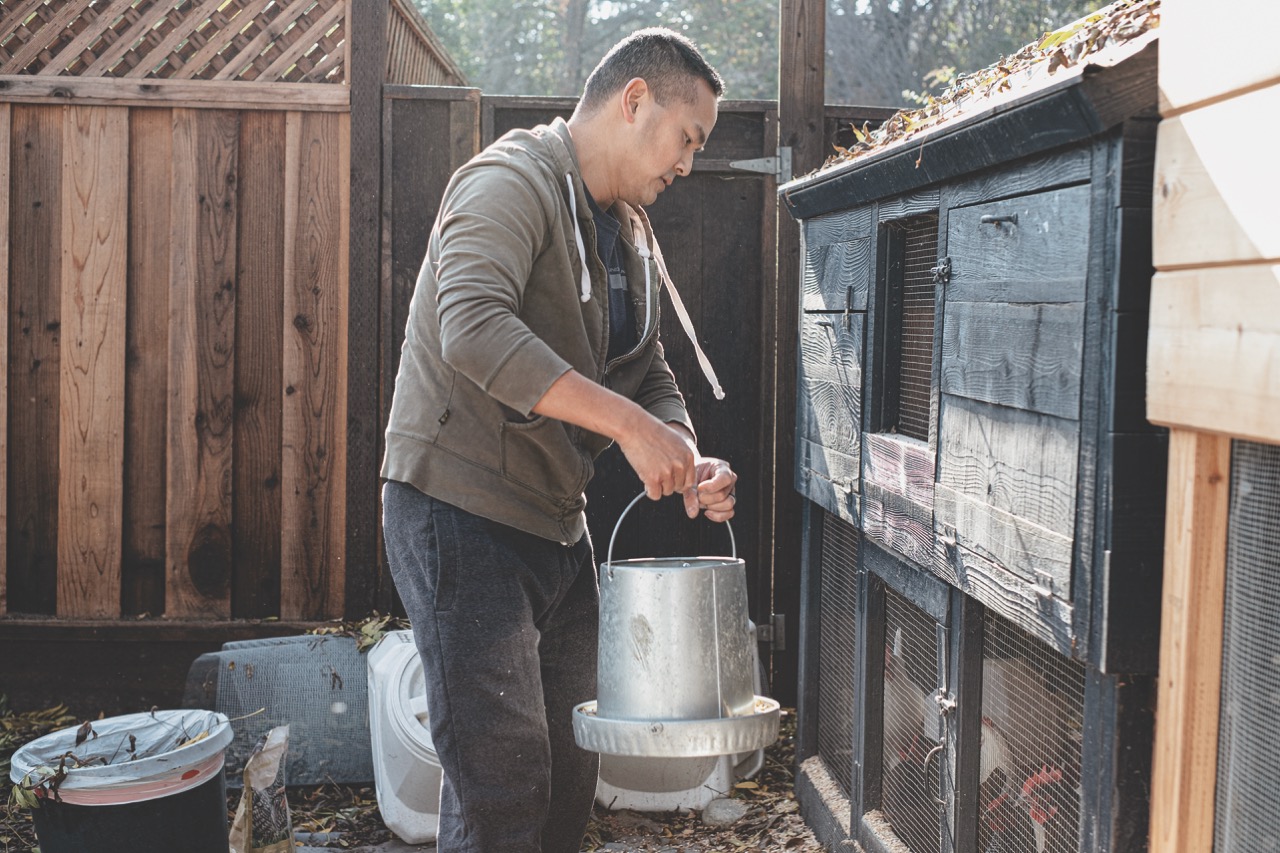
Today, I help families make this same transition and create more security in their own lives. As the Homesteading Agent, I bring a different perspective to property evaluation. While other realtors focus on square footage and bedroom count, my military training and homesteading experience has taught me to look deeper: Where are the water sources? What are the access points? How suitable is the land for food production? These were the same questions I asked when securing outposts in Iraq, and they’re the questions I now help families answer as they search for their ideal homestead—or look to create more security on their current property.
Evaluating Resources and Assets on a Homestead
These are some of the factors I now help my clients assess, whether they’re looking for a new property to homestead on or evaluating their current homestead:
Water Security
- Multiple water sources, including rainwater collection
- Natural springs where possible
- Water storage systems
Food Security
- Soil quality and growing seasons
- Sun exposure and microclimates
- Established orchards or pasture
- Ability to raise animals
- Proximity to local farmers
- Food preservation infrastructure: space for food storage, root cellars, or freezers
Power Independence:
- Alternative energy options
- Backup systems for essential equipment
- Traditional non-electric solutions
Take Michael and Lisa, suburban homeowners from California who watched anxiously as water restrictions tightened and reservoir levels dropped. “We have good jobs here,” Lisa explained, “but what good is a six-figure salary if you can’t guarantee food and the state wants to put a meter on your well?” Together, we found them a property with established fruit trees and multiple water sources—a place where they could build real security through traditional homesteading practices.
Or Jennifer, a nurse from Florida who moved to a small town to get away from the growing cities in Texas, “We moved here to get away from the hustle and bustle of city life to a small town in Florida, but now we are seeing subdivisions come up nearby.” We found her family a beautiful property in the Tennessee mountains, with natural springs and rich soil for growing food.
The S.A.F.E. System: Securing What You Build
Once you’ve assessed the resources on your land, the next question is, how do you protect and steward them?
That’s why I developed the S.A.F.E. system—a simple framework that draws from both my military training and homesteading experience. It’s not about building a fortress; it’s about creating a resilient, sustainable, and abundant life. Here’s a breakdown:
S
Situational Awareness
Situational awareness is key to survival in a combat zone, but it’s just as vital in everyday life—especially on the homestead. As homesteaders, we’re constantly juggling a never-ending list of projects with limited time and resources—things can easily be missed with all we have to focus on! One of the best ways to avoid blind spots is by building strong relationships with those around you. A reliable community support system doesn’t just lighten the load—it keeps you informed, aware, and ready. After all, homesteading was never meant to be a solo endeavor.
I often think back to my Army days—no one ever pulled an all-night fire watch alone. We took shifts, relied on each other, and stayed alert as a team. The same principle applies to situational awareness on your homestead. Think of it as defense in depth. The outermost layer? That’s your community. Your neighbors can act as an early warning system, spotting things that seem off before they become a problem. But that only works if you’ve already built the relationship—which means exchanging contact information, having real conversations, offering help, and being present. It’s more than just waving while pulling in or out of your driveway!
Whether you’re looking for a new property to homestead on or wanting to build more security into your current homesteading operation, don’t overlook the importance of a strong community network—it’s one of the best tools in your homestead security toolkit. That truth became crystal clear to us when Hurricane Helene hit Tennessee last year. Our network of neighbors quickly mobilized to clear fallen trees and check on elderly residents—the kind of support system that no amount of money can buy.
A
Access Control
In the military, access control is the selective restriction of access to certain areas, which reduces vulnerabilities to external threats. This same concept can be applied to a homestead.
The first step is identifying all avenues of approach to your property—driveways, fire access roads, and even animal-made trails. Once you’ve mapped out these routes, it’s essential to manage them with intention. That means installing gates, perimeter fencing, and incorporating tools like motion-activated lights and security cameras to maintain awareness and control. On our own 40 acres, we’ve installed high-tensile electric fencing that does triple duty: it contains livestock, deters predators, and helps define rotational zones for soil regeneration.
Finally, learn to leverage your land’s natural features—creeks, ridgelines, and dense tree lines—as allies in your security plan. Even native plants like American holly can serve multiple purposes, creating living fences that provide privacy, beauty, and habitat for beneficial wildlife.
F
Fortify Your Home
Fortifying your home on a homestead isn’t about turning it into a bunker with bars on every window or relying solely on a doorbell camera. Growing up in the San Francisco Bay Area, I remember many homes in my neighborhood had security bars that made them look more like prison cells. Out here, though, security looks different—it’s more about smart design and layered awareness.
Yes, locking doors and keeping your property well-lit are foundational, but if you’re building or improving your home, consider its position. Set it back from the road, establish natural standoff distances, and design with visibility and response time in mind.
Dogs also play a key role in our security strategy. Our Livestock Guardian Dogs (LGDs) stay with the animals, while our property dogs are trained to alert us to anything unusual around the home. When planning your layout, step into the mindset of a potential intruder—walk your property from the outside in. Where are the blind spots? What can be seen from the road or nearby trails?
Use motion-activated lights and cameras to cover these areas, but avoid lighting up your entire property 24/7. Practicing good light discipline helps ensure you can see out without making it easy for others to see in. These are great first steps in hardening your property’s defenses.
E
Emergency Readiness
Emergency readiness is always in the back of my mind—a habit ingrained from years of military training where we constantly planned for “what if” scenarios. On the homestead, that mindset translates into building redundancy for life’s essentials: heat, power, and water. These are non-negotiables.
But preparedness also begins with the little things, like keeping your home clean, organized, and functional. That means clear walkways, gear in its place, and knowing exactly where your tools, supplies, and yes—even your “beans and bullets”—are located.
It’s also about communication. Have a plan, talk it through with your family, and practice it. You don’t want to be figuring out how to run your generator for the first time during a real power outage.
Preparedness doesn’t have to feel overwhelming or extreme, it’s about building resilience, one layer at a time.
Start Where You Are
Security through homesteading is about more than just growing food or being self-sufficient, it’s about rediscovering the wisdom of our ancestors while building relationships and resilience for future generations. As Kevin, a recent client from Seattle told me, “We didn’t just buy land—we joined a community. Our neighbors have taught us more in six months than we ever learned from YouTube.” Whether you’re starting with a small garden in suburbia or ready to dive into full-scale farming, the path to security begins with a single step.
That’s why I built the Homestead Expert Real Estate Organization (HERO)—a nationwide network of over 200 agents and lenders who understand the unique needs of homesteaders. These aren’t just realtors—they’re specialists who know how to evaluate water access, understand unrestricted properties, and recognize land suitable for sustainable living.
As I tell all my clients: start where you are, use what you have, and keep learning. Through my Find Your Homestead Course and Homestead Security Course, I share detailed guidance for every stage of this journey. Because in the end, true security isn’t about building walls, it’s about building relationships, skills, and systems that support sustainable, independent living.
Our community represents more than just a group of like-minded individuals, we are a movement dedicated to freedom, food security, and self-reliance. Remember, our grandparents didn’t call it homesteading—they just called it living. By returning to these proven principles—while embracing modern knowledge—we can create the ultimate security: a legacy of resilience that will serve our families for generations to come.
Leave a Reply