
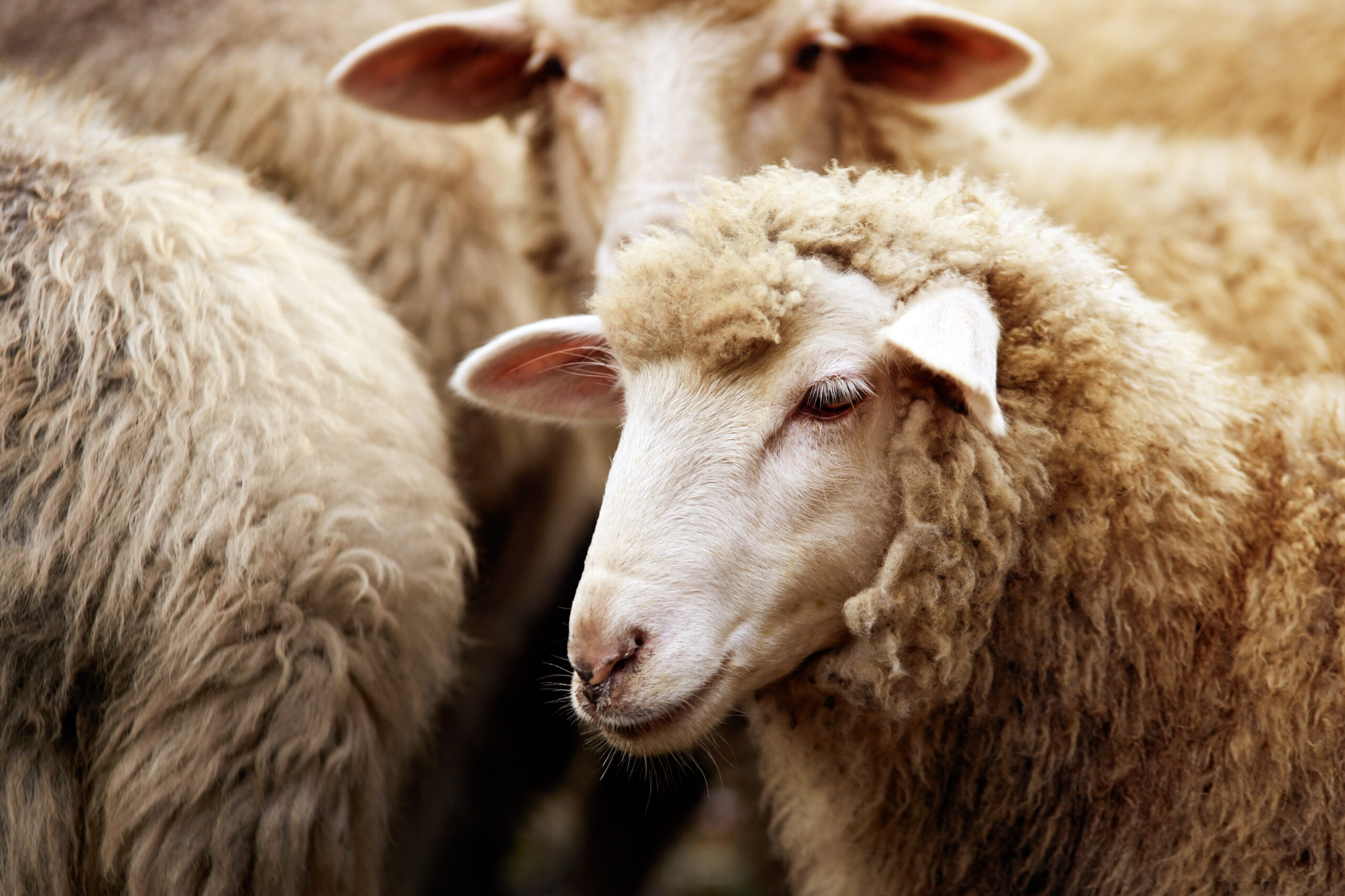
Are you thinking about keeping sheep for wool? You might be surprised to learn that not all wool is created equal—and not every fleece will suit your intended purpose. While sheep may all look similar at a glance, the type of wool they produce can vary widely.
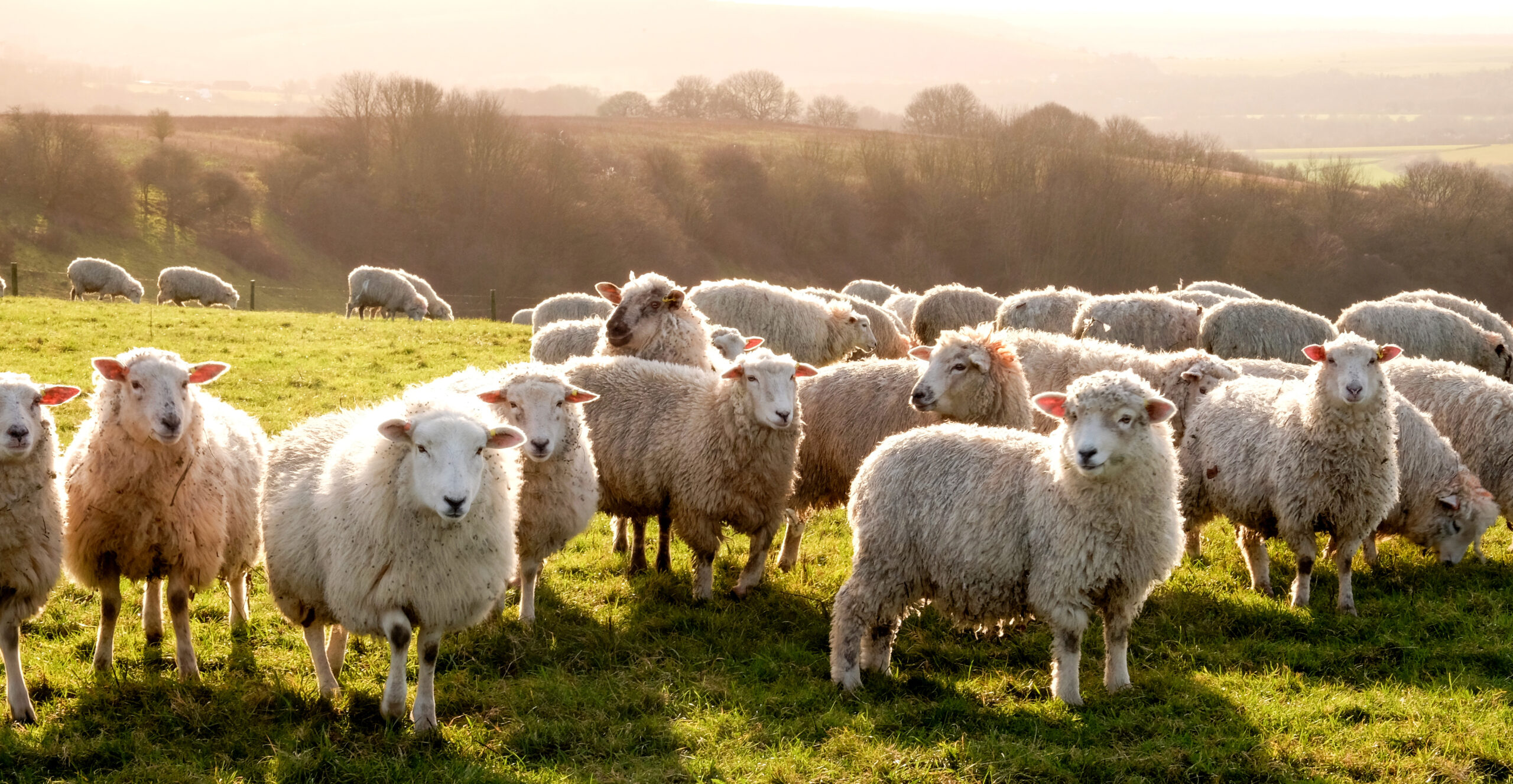
Raising sheep has been my favorite farm pursuit. I raise sheep primarily for wool, but most of the shepherds I know also breed their best ewes, keep the offspring that improve their flock, and either sell the remaining lambs or process them for their own freezer.
Having spent years raising sheep and fiber goats, breeding for improvement, and processing mohair, I decided I was no longer interested in breeding our sheep flock. The extra work of supporting ewes through lambing, lactation, weaning, and eventually selling off the lambs was no longer something I wanted to do. Instead, I began acquiring retired ewes with great fleeces, wethers (castrated male sheep) with excellent temperaments, and open ewes that, for whatever reason, did not conceive.
This put me in a niche of shepherding that many fellow shepherds didn’t quite understand. But these are the kinds of choices we each get to make for ourselves. Creating a business that’s both enjoyable and at least somewhat profitable is a challenge—but it’s possible.
Land, Shelter & Grazing Needs
Keeping sheep on a homestead scale requires the same basics whether you choose to breed or not. Both hair and wool sheep need the same infrastructure, care, and observation.
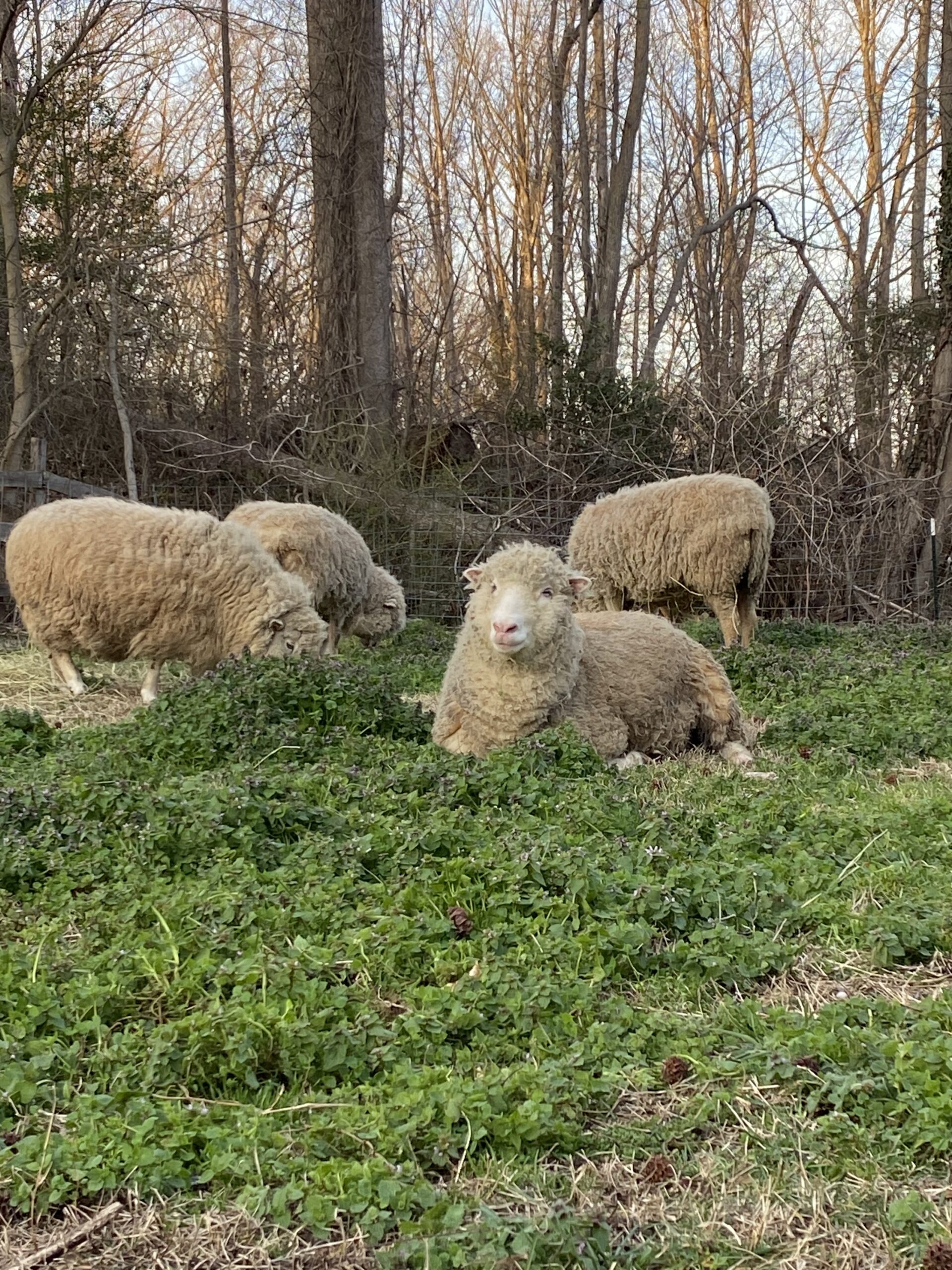
Beginning with your property, assess where the sheep will be kept. Smaller areas demand more upkeep, cleanup, and monitoring, while larger spaces require more investment in fencing, watering, and rotational grazing. In other words, you can keep two wool-bearing sheep in your backyard, but you will be purchasing more hay and cleaning up more sheep poo.
Ideally, someone looking to keep a small flock of sheep will have at least a few available acres that is fenced for the sheep. Having multiple pastures allows you to rotate the flock from area to area, reducing the occurrence of parasite overload.
Rotational grazing is also an amazing method for regenerating the soil in the pasture. Feeding hay in the off season seeds the pastures. The sheep work the seeds into the ground, fertilize with their droppings, and it all gets rained or snowed in. Over time, the grass grows strong, lush, and more nutrient dense. Nutrition is a key component of a beautiful wool fleece. See how it all works together?
Even beginning with a poor pasture, feeding hay and letting your sheep graze and browse on the land, the ground will begin to respond with better growth.
Shelter & Daily Care
In addition to fenced grazing areas or a safely contained paddock setting, shelter should be available. The shelter can be as basic as a stand of evergreen trees to block the wind, or as elaborate as a full barn enclosure. Most small-scale shepherds offer a three-sided pole shed to their flock. These can be easily closed off in front with the addition of gates or a partial fourth wall if desired. Sheep do lie down for both sleep and rumination, so ensure that the enclosure or building is large enough to accommodate the flock without being crammed too tightly.
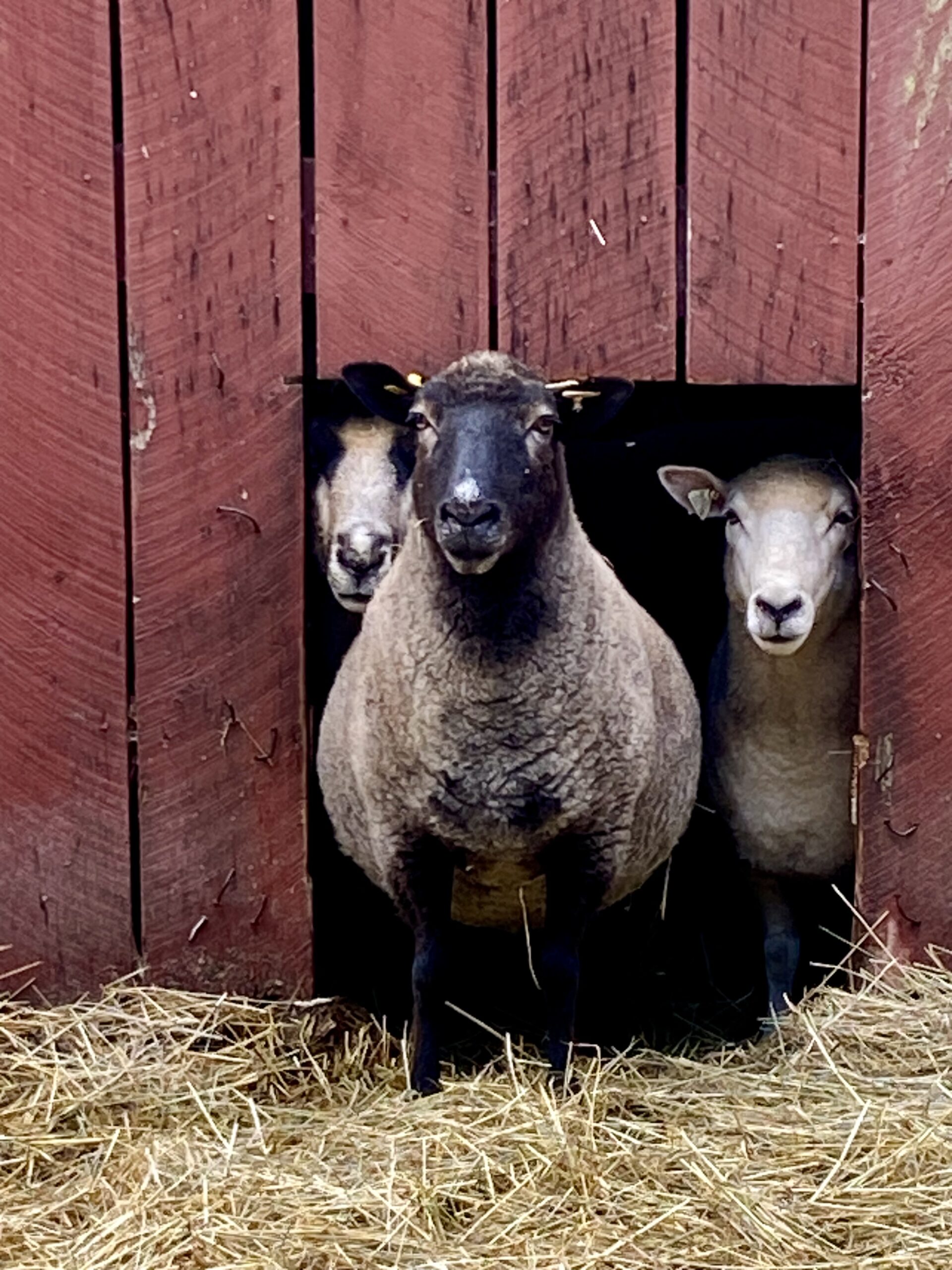
Fresh, clean water should be available at all times. While I do believe sheep should primarily be grass-fed—including forage, hay, or compressed grass pellets—occasionally a sheep may require supplemental nutrition. When a sheep is not in good condition—too thin, weak, or has gastrointestinal issues—the shepherd must do something.
Extra nutrition can be offered on a short-term basis to improve body condition. Fecal exams should be run to rule out or diagnose any parasites. Once you find the reason for the poor condition, work on improving the sheep, then you can decide if that animal is one to keep, cull, or maybe sell to a smaller flock keeper. In any case, be transparent. I have had a few needy sheep in my flock. I didn’t mind the extra work, but some people do and would not want a sheep that needed extra food or special care.
Your First Flock
Purchasing your first flock is an exciting step, however, a new shepherd will understandably have questions and concerns about flock health. Find mentors, join flock and fiber groups, reach out to experienced shepherds, and learn.
A healthy sheep should stand straight, bright-eyed, and somewhat wary of you. Ask the seller to hold the animal for you while you feel the top line. You should be able to feel the spine, but it shouldn’t stick out. Eyes should be bright. Check the FAMACHA* score to assess anemia.
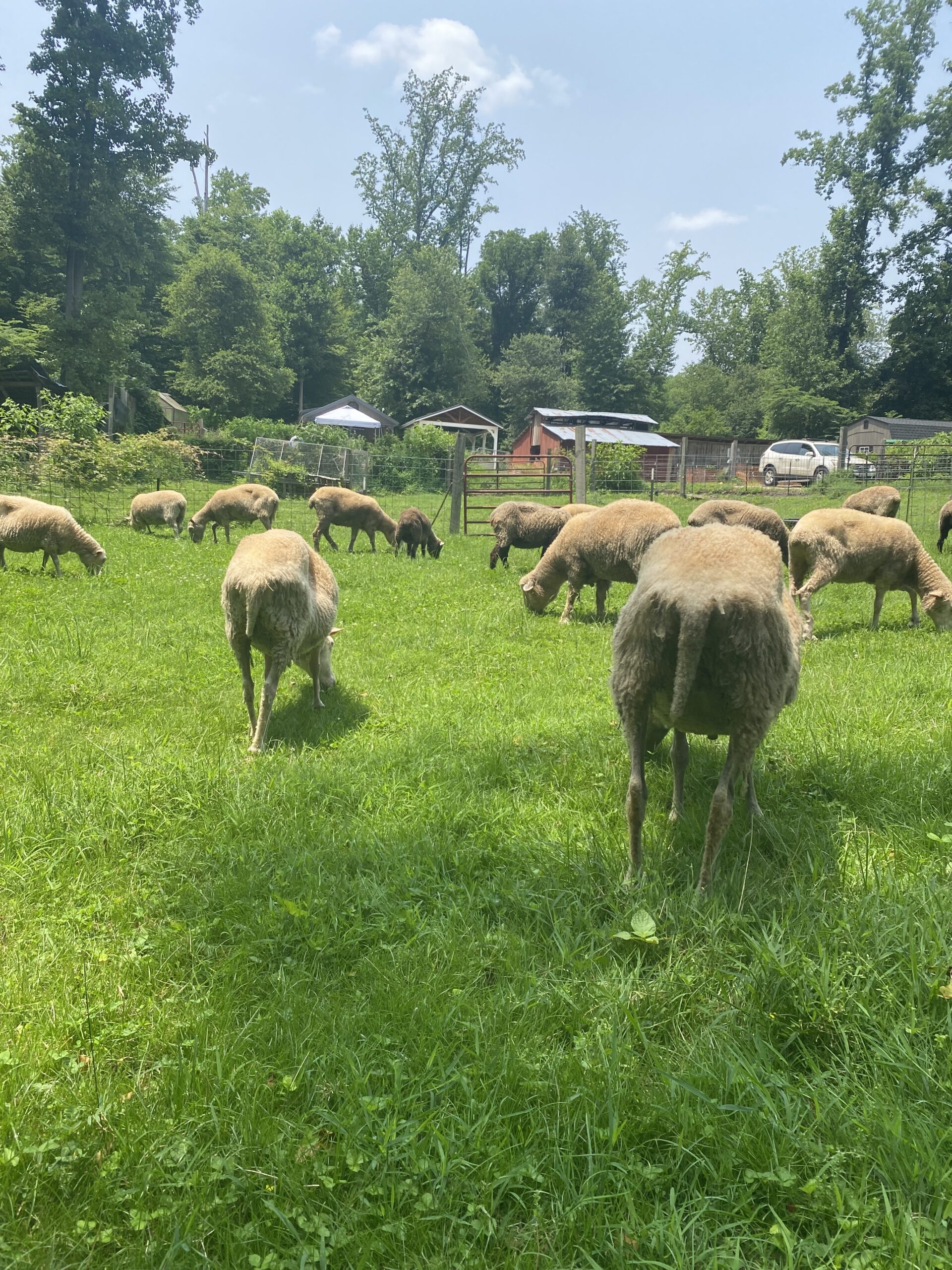
Watch the animal walk, graze, and interact with the rest of the flock. Knowing the breed standard for the sheep you are considering is helpful too, especially if you plan to breed the animal.
Since hoof rot is common, inspect all four feet carefully. It also has a distinct, unpleasant odor. Hoof inflammation or irritation can be cured, but hoof rot can live in soil for years. If in doubt, request a vet’s health clearance.
The more research you do ahead of time, the more likely you are to make a wise purchase. If you approach buying sheep with starry eyes, you’re likely to come home with a motley crew of sheep that doesn’t serve your intended purpose. I made this mistake early on—but these days I carefully consider each new addition.
Choosing the Right Wool
As stated earlier, not all wool is equal. I wanted wool that would create soft yarn for knitting and crochet. My first sheep were Border Leicester— they were not from the best genetics, and the wool was scratchy. Eventually, I adopted a flock of Finn sheep from a retiring shepherdess. Their wool was perfect for what I wanted.
I went on to add other wool breeds that worked well with my Finn fiber. Our flock now consists of Romney, Perendale, and Finn. Breaking my own rule, I also have a CVM wether with a beautiful fleece. It really does pay off to research the kind of wool you want to work with before bringing home your flock.
If you’re raising sheep for fiber, do your research:
- Talk to shepherds, knitters, dyers, and mill owners.
- Understand fiber characteristics.
- Match the breed to your craft goals.
Wool Classifications
Wool breeds are classified as fine, medium, or long wool. Staple length (the average length of the individual fibers in a fleece) is important when blending fiber together to spin into yarn. In addition to the staple length, the fineness of the wool fibers affects the comfort level of the finished yarn. Fine wool breeds like Rambouillet, Cormo, and Merino are considered comfortable enough to wear next to the skin. Coarser fibers, on the other hand, are better suited for outerwear or rug-making.
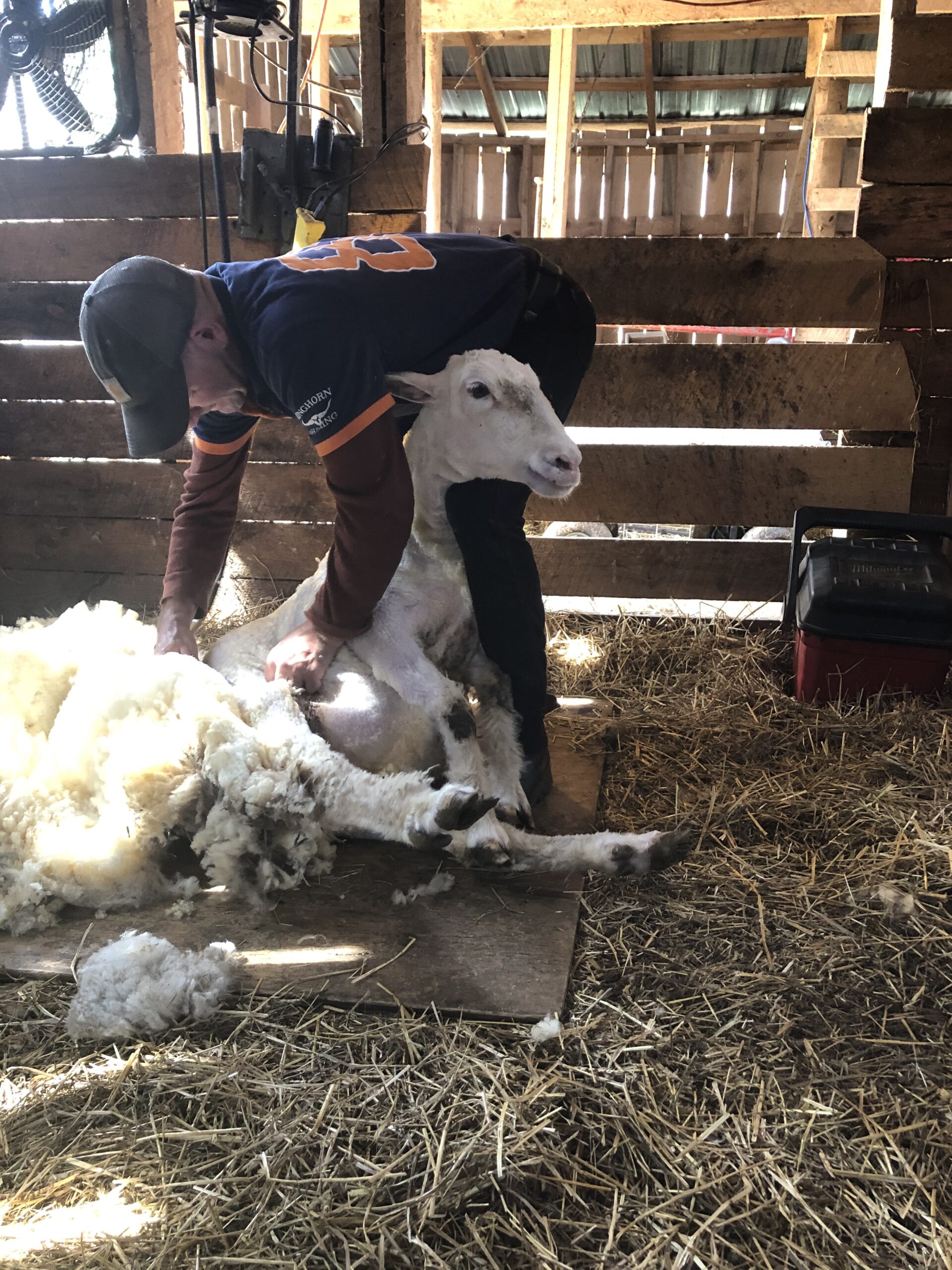
Short staple fibers are usually fine for hand spinners, but fiber mills may have trouble with them on their equipment. A short staple is typically considered to be two to three inches in length. Medium length ranges from four to six inches, while long wool staples can exceed seven or eight inches.
Knowing your reasons for getting sheep, the intended use of their wool, and the products you hope to create are all key things to consider before bringing home wool sheep.
Shepherd First, Spinner Second
To keep your shepherding journey mostly joyful, remember that animal husbandry comes before everything else. Whether you shepherd five sheep or five hundred, the principals of management are the same. Observe, adjust, be present; a pocketful of treats never hurts either.
Remember, the best yarn comes from the best tended sheep. Always put the animals’ health first and they will reward you yearly with a lovely clip of raw wool. Process that wool over the next year, try new wool crafts, teach others the skills of wool. Before long, the yearly shearing day arrives again. This is the circle of farm life that I love.
Recommended Reading
- The Fleece and Fiber Sourcebook by Deborah Robson & Carol Ekarius
- Storey’s Guide to Raising Sheep by Paula Simmons & Carol Ekarius
- The Good Living Guide to Keeping Sheep and Other Fiber Animals by Janet Garman
- Natural Sheep Care by Pat Coleby
Types of Wool
Wool is graded by micron count. The designations are referred to as fine, medium fine, medium, and long wool.
Fine wool: Merino, Rambouillet, Cormo and others with a fiber micron count below 22 microns.
Medium wool: Corridale, Finn, Cheviot, Perendale, Targhee, Jacob, Romney, Coopworth, and others with a fiber micron count between 22 to 30 microns.
Long wool: Leicester Longwool, Lincoln, Wensleydale, and more with a long staple length and micron count greater than 30 microns.
Leave a Reply