
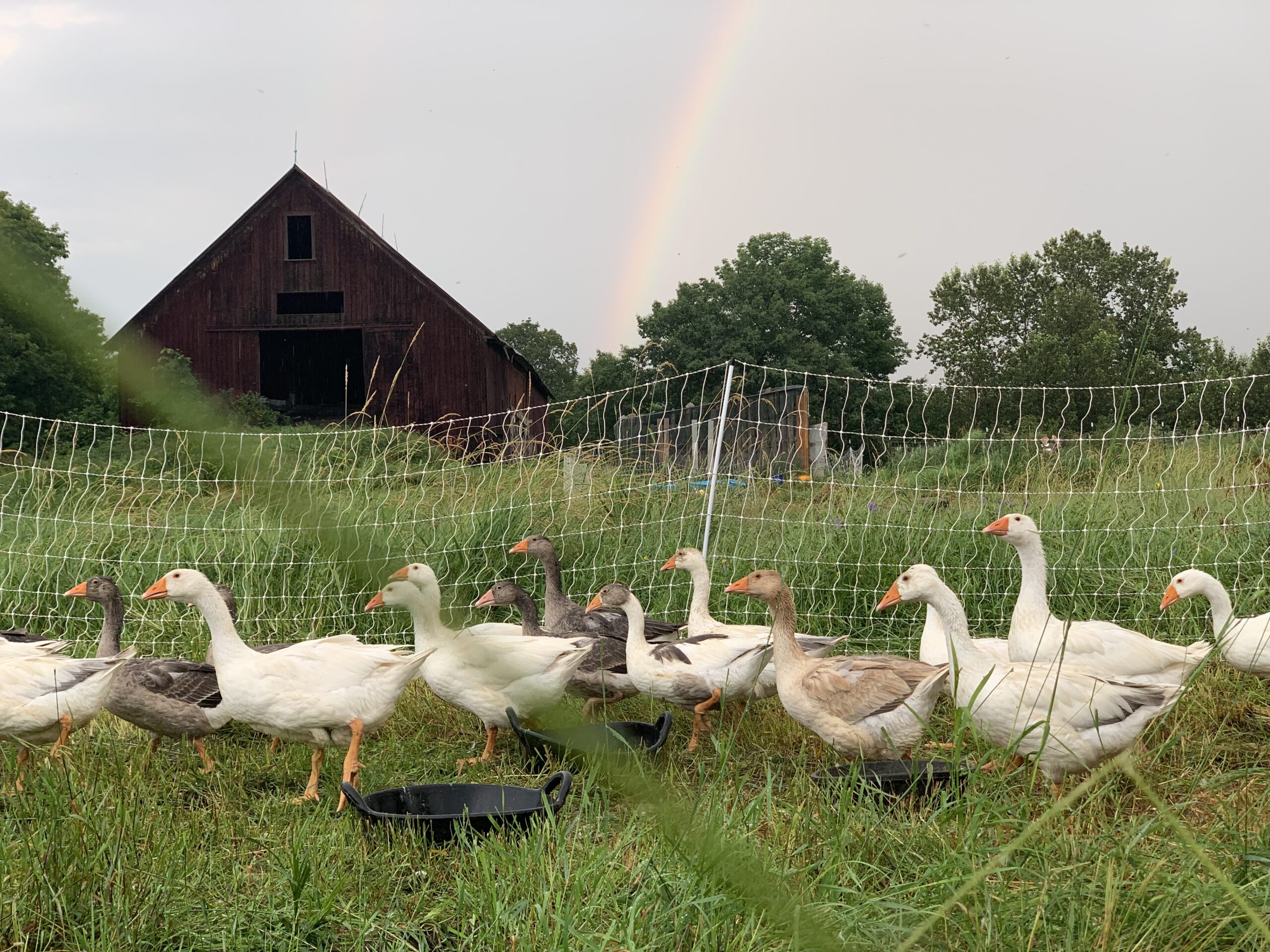
These big, goofy birds might not be as common as chickens, but they are far and away the most sustainable and self-sufficient poultry you can keep on your homestead.
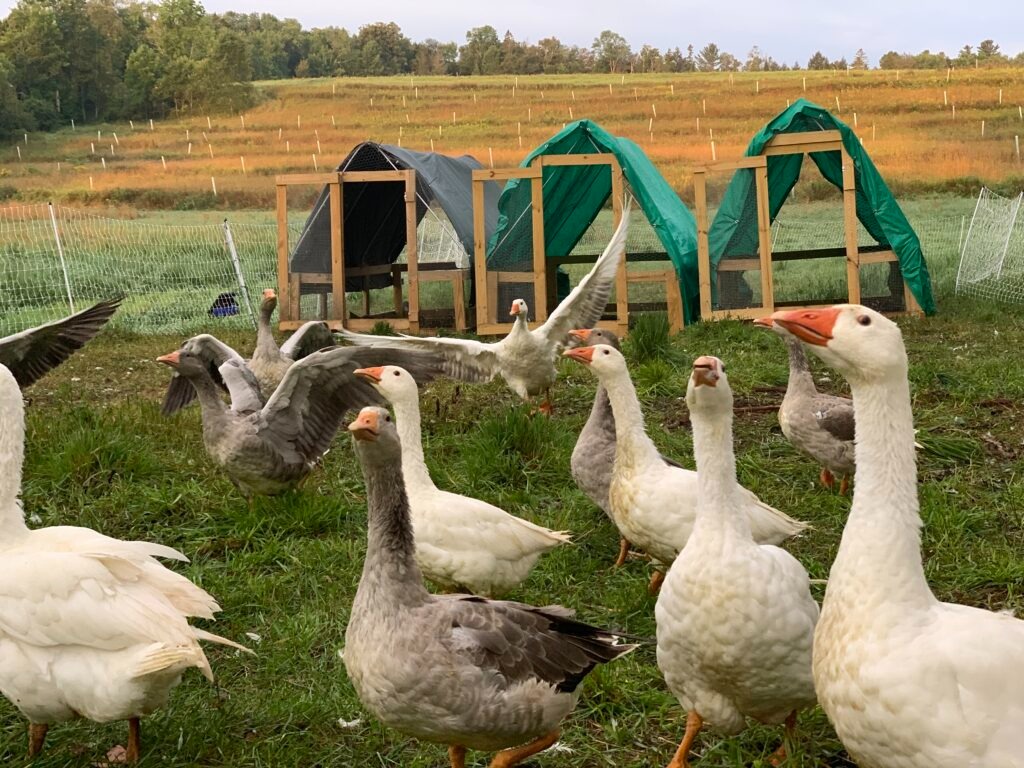
Self-sufficient Dragons
Adult geese are excellent foragers and can derive the vast majority of their diet from grasses. These birds will happily roam around your homestead or pasture, munching on grasses and weeds. This means that they can find a significant portion of their own food, reducing the amount of feed you need to provide for them. On our farm, after 6 weeks of age, our geese derive 90% of their diet from grass until the snow starts to fall and our long Vermont winters set in. Not only is this a cost-saving benefit, but it also makes geese a more sustainable choice as they are not reliant on a constant input of grain. Grain production requires significant amounts of energy, water, and land, making it a resource-intensive endeavor. By allowing your geese to forage for their own food, you are reducing your reliance on these resources and reducing the carbon footprint of your poultry activities.
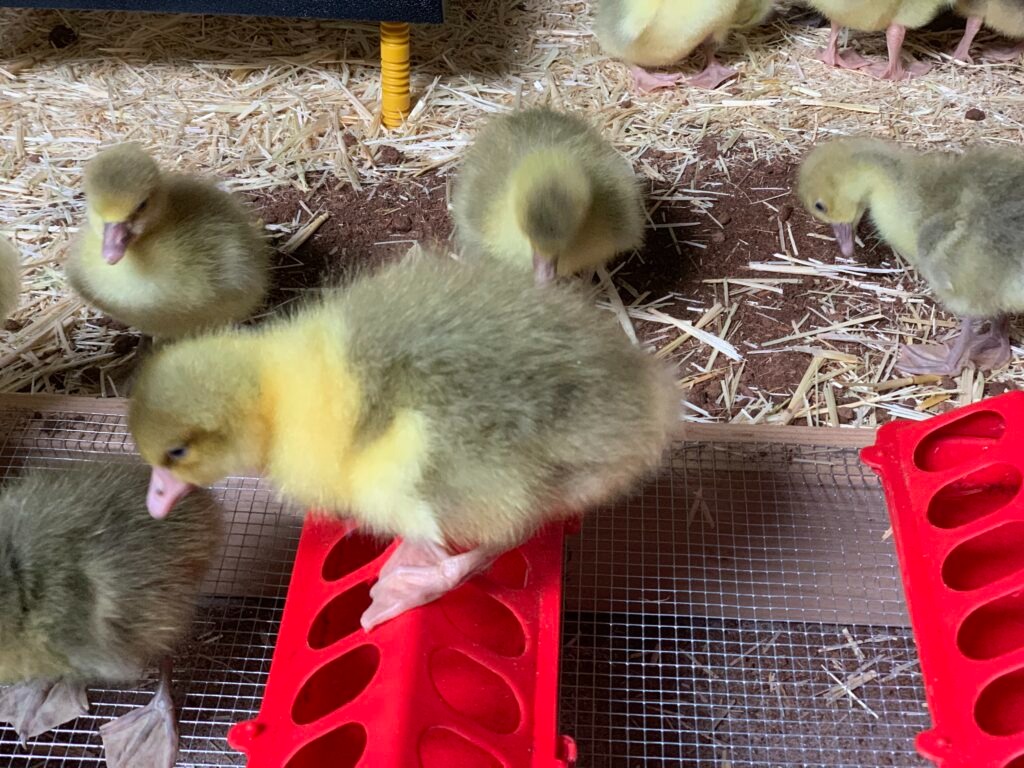
Geese have a long lifespan and continue to produce eggs for many years. In addition to their meat, which is leaner and healthier than chicken or turkey meat, geese also produce eggs. And let me tell you, folks, these are not your average eggs. Goose eggs are larger than chicken eggs, with a thicker and stronger shells. They are also higher in protein and have a richer flavor. But the real advantage of geese eggs is their longevity. Unlike chickens, which typically stop laying eggs after a few years, geese can continue to produce eggs for upwards of 15 years. This means that you can enjoy a steady supply of delicious, nutrient-rich eggs for a long time.
Geese can be used for multiple purposes on a homestead, making them a valuable addition to any farm. In addition to their delicious and nutritious meat and eggs, geese can also serve as excellent guardians for your property. They are fiercely protective of their territory and will sound the alarm at the first sign of danger, acting as a sort of living and honking alarm system for your homestead. That said, it’s important to note that geese are not going to be able to fend off every predator – they’re more like a first line of defense against smaller pests and critters. While geese can chase off weasels or raccoons, they are no match for a coyote or bobcat.
On our farm, we raise geese for both breeding stock and meat. Here in New England, goose meat is a popular delicacy during the holidays and it can fetch a premium price when compared to turkeys or chickens. I mean, let’s be real, who doesn’t love a roast Christmas goose? It’s like the filet mignon of poultry. The rich and savory meat and crispy skin are sure to be a hit at any dinner party.
That said, it’s important to note that geese have a relatively short laying window, so we don’t sell our goose eggs for eating. Instead, we focus on hatching our goose eggs or selling them as fertilized eggs to other farmers. While you might not be able to enjoy fresh goose eggs for breakfast every day, the fact that these birds can continue to produce eggs for upwards of 15 years means that you’ll have a steady supply of delicious, nutrient-rich eggs for a long time to come. And really, isn’t that the whole point of homesteading – to be self-sufficient and sustainable?
Caring for Geese
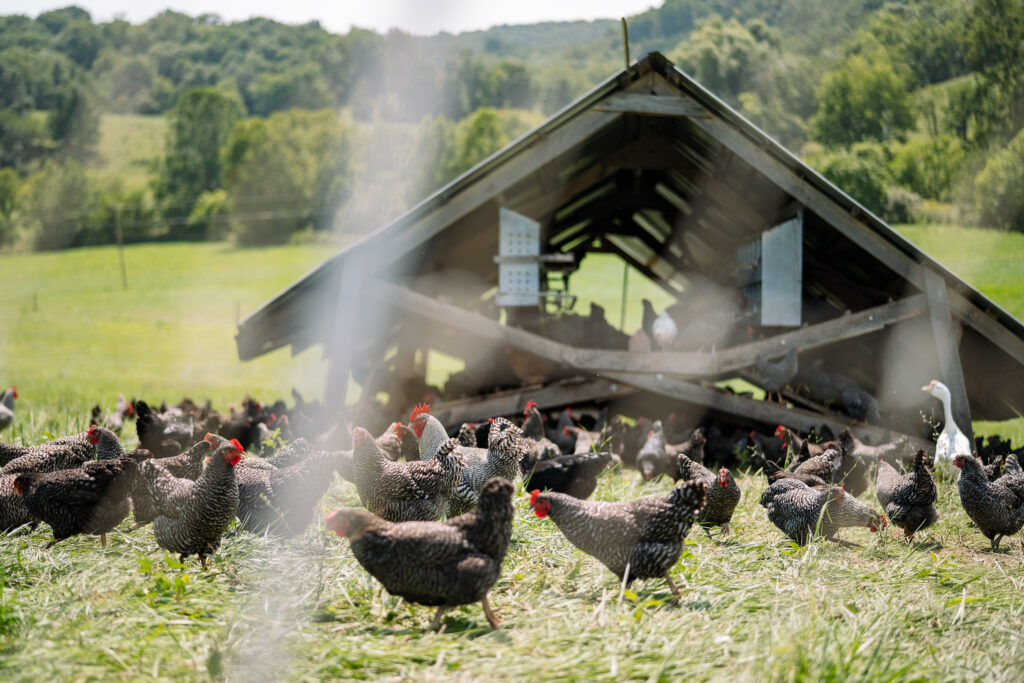
When it comes to caring for geese on your homestead, providing them with adequate shelter and fencing is of the utmost importance. These birds need a secure coop or enclosure to protect them from predators and extreme weather. It doesn’t need to be anything extreme though. Your geese will only require a shelter comparable to what your ducks or chickens would need. In the winter months, we house all of our geese, ducks and chickens in a large unheated hoop house (We call it Hoop Coop 2!) And in the summer months we let them free-range 24/7 in a 10-acre fenced-in pasture patrolled by livestock guardian dogs.
In addition to a cozy coop, geese also need access to a fenced-in area where they can roam and forage to their heart’s content. We sometimes rotationally graze our geese on our farm, moving them with poultry netting or by simply relocating their sources of water. This helps to keep the grass trimmed and fertilized and keeps our geese happy and healthy. Plus, it’s like a never-ending game of goose-tag for them – they love chasing each other around and exploring new areas. Just make sure you have a sturdy fence in place to keep them contained – these birds are determined and will find a way to escape if given the opportunity.
Feeding and nutrition considerations
While geese are fantastic foragers and can find a significant portion of their own food, it’s important to remember that they still need a balanced diet to thrive. This includes high-quality goose feed and access to clean, fresh water. You can also supplement their diet with certain vegetables, fruit, and kitchen scraps to give them some extra nutrients. Think of it like a fancy buffet spread – you want to give them a variety of tasty treats to choose from.
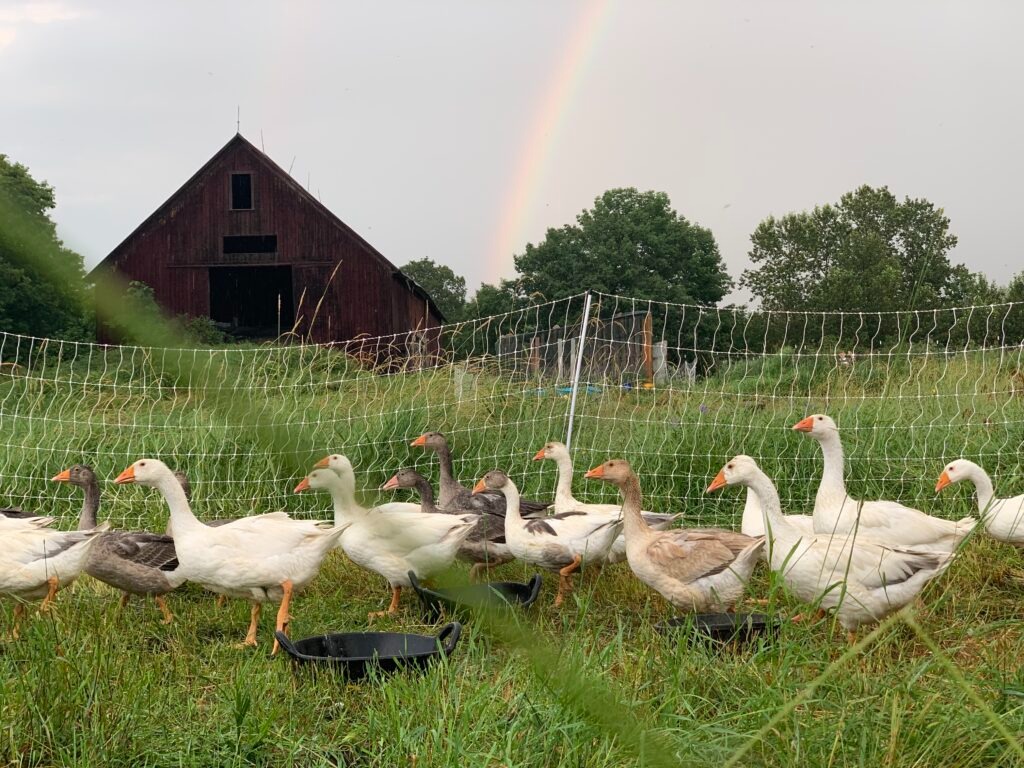
One thing to note is that, much like ducks, geese don’t necessarily need a pond or stream to get their water. In fact, on our farm, we use tubs of water as the primary source of water for our waterfowl. It’s like a little oasis in the middle of the pasture – they love splashing around and cooling off in the water. Just make sure to clean and refill the tubs regularly to ensure that the water stays clean and fresh. And as always, make sure to provide plenty of shade to protect them from the sun on hot days. Trust me, there’s nothing worse than a sunburnt goose.
Breeding and reproduction management. If you’re planning to breed your geese, it’s important to consider their reproductive needs. These birds are seasonal breeders and typically lay their eggs in the spring, with the eggs hatching in the summer. But every so often, you may have an oddball who lays their eggs in the fall. It’s like they’re trying to mess with your schedule or something. Either way, it’s important to make sure they have a secure nest to lay their eggs in and to give them plenty of space and privacy to raise their young.
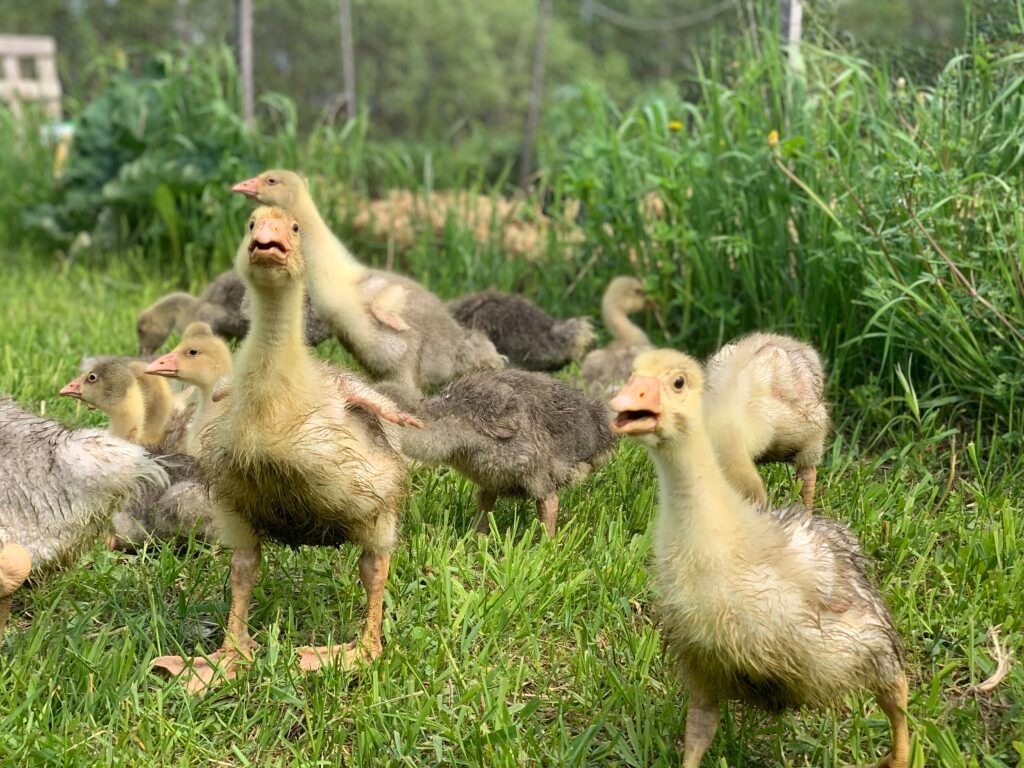
Speaking from experience, it’s also important to protect your geese and their hatchlings from predators. Once those eggs start hatching, the geese become fiercely protective of their young and will go to great lengths to defend them. In fact, the only time I’ve ever had issues with aggressive geese on our farm has been when they have recently hatched goslings. They become like little dragon mamas, ready to breathe fire at any perceived threat. It’s best to give them plenty of space and keep a safe distance until they calm down a bit. Trust me, you don’t want to be on the receiving end of a goose attack.
In conclusion, geese are the most self-sufficient and sustainable form of poultry that you can keep on your homestead. Their hardiness and ability to withstand harsh weather, their skills as foragers, and their long lifespan and egg-laying abilities make them a valuable addition to any homestead. With proper care and management, geese can provide you with a steady supply of meat, eggs, and pest control for years to come. If you’re considering adding poultry to your homestead, don’t overlook the humble goose – you won’t be disappointed.


Leave a Reply